
Scientific and Technological Innovation, Quality-Oriented
Understanding Flange Connection Fittings: A Key Component in Construction and Decoration
Flange connection fittings are critical components in various piping systems, serving as the joints that connect pipes, valves, pumps, and other equipment. In the construction and decoration materials industry, these fittings are vital for ensuring the integrity, reliability, and efficiency of fluid transport systems. Understanding these fittings can significantly impact project success in terms o
Dec 11,2025
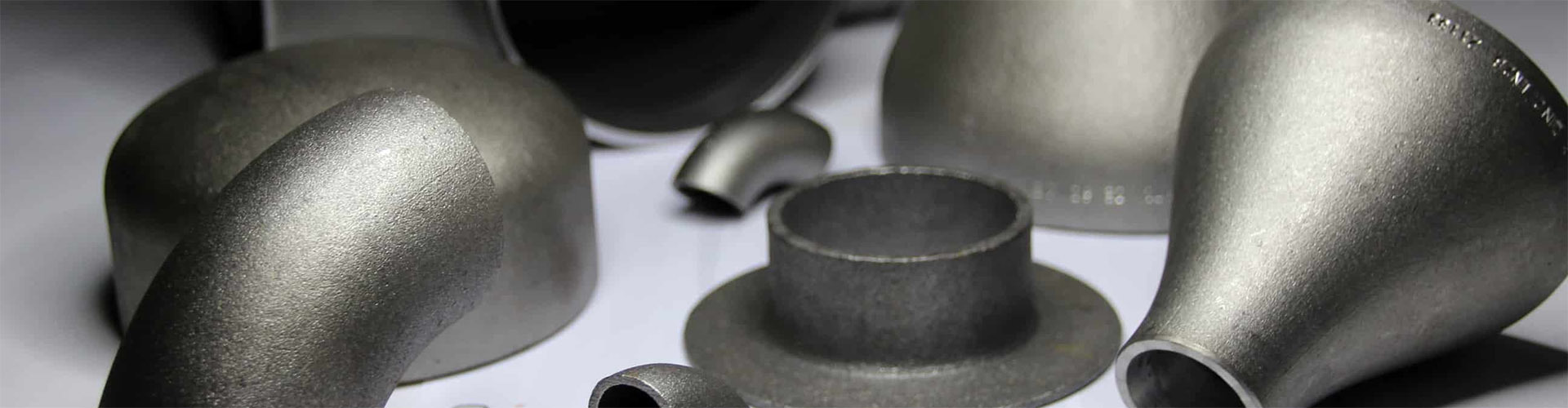
Flanges come in various shapes, sizes, and materials, including carbon steel, stainless steel, and plastic, each tailored to meet specific application needs. The most common types of flange connections include weld neck, slip-on, blind, and threaded flanges. Each type has its unique advantages depending on the installation requirements and working conditions. For example, weld neck flanges are often favored for high-pressure applications due to their robust design, while slip-on flanges provide easier installation options.
One of the primary advantages of using flange connection fittings is the ease of assembly and disassembly. Unlike welded joints, which are permanent, flanged connections allow for quick access to the piping system for maintenance, repairs, or modifications. This flexibility can save significant time and labor costs over the lifespan of a project.
Proper installation of flange connection fittings is crucial to ensure leak-proof connections. Professionals should ensure that the mating surfaces are clean and free from debris, and the use of appropriate gaskets is essential to create a tight seal. Additionally, fasteners should be tightened uniformly to prevent stress concentrations that could lead to failure.
In addition to being a practical solution for piping connections, flange fittings also play a role in system aesthetics, especially in visible areas of construction. They can be painted or coated to match the surrounding décor, enhancing the overall appearance without compromising functionality.
In summary, flange connection fittings are indispensable in the construction and decoration materials industry. Their versatility, ease of maintenance, and aesthetic adaptability make them a preferred choice for professionals. Understanding their types, benefits, and installation methods can empower industry stakeholders to make informed decisions that enhance project outcomes and promote long-term system reliability. By prioritizing proper practices in the use of flange connection fittings, professionals can drive efficiency and success in their projects.
Key words:
Contact Us
E-mail:
sales@mxlpipeline.com
WeChat/Tel:
+86-13333368204
Address:
200 meters north of the intersection of Yanta Road, Yanshan , Cangzhou, Hebei Province, China 061300

Add: 200 meters north of the intersection of Yanta Road, Yanshan , Cangzhou, Hebei Province, China 061300


Contact Information
Contact: General Manager Leo
WeChat/Tel: +86-13333368204
WhatsApp: +86-13333368204
E-mail: sales@mxlpipeline.com


Request Quote
* Note: Leave your contact information to get a free product quote