
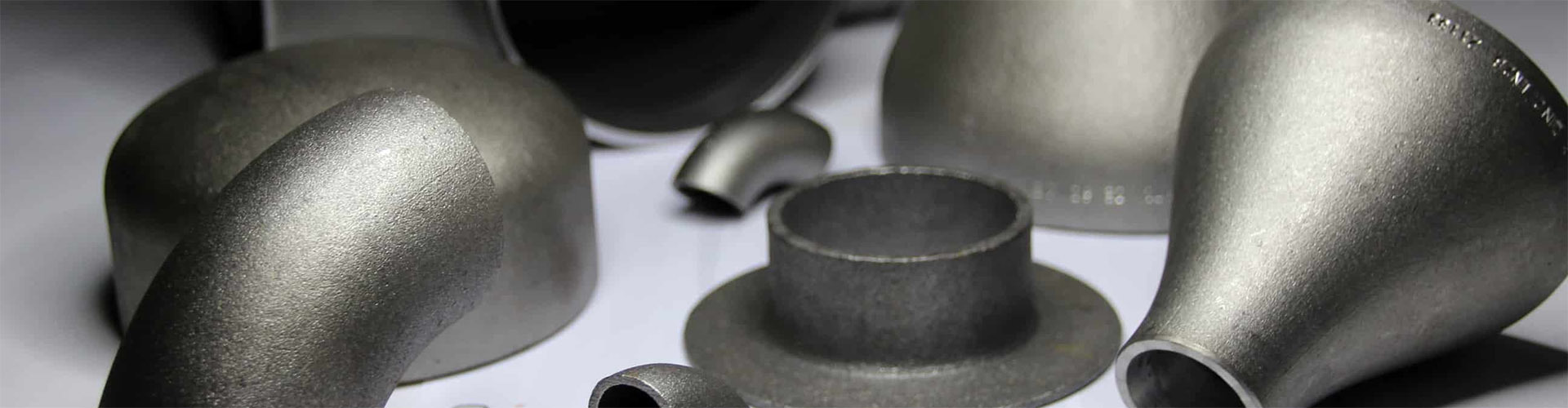
Scientific and Technological Innovation, Quality-Oriented
Maximizing Efficiency with Quality Steel Pipe Systems in Building Projects
Maximizing Efficiency with Quality Steel Pipe Systems in Building Projects Understanding the Role of Steel Pipe Systems in Construction In the realm of construction, **steel pipe systems** serve as a backbone for various applications, including plumbing, heating, and industrial processes. Their durability and strength make them ideal for both residential and commercial projects. By implementing
Feb 02,2026
Maximizing Efficiency with Quality Steel Pipe Systems in Building Projects
Understanding the Role of Steel Pipe Systems in Construction
In the realm of construction, **steel pipe systems** serve as a backbone for various applications, including plumbing, heating, and industrial processes. Their durability and strength make them ideal for both residential and commercial projects. By implementing quality steel pipe systems, we significantly enhance the efficiency of our building endeavors.
The Advantages of Using Quality Steel Pipe Systems
Quality steel pipes offer numerous advantages that can lead to improved performance in building projects. Below are some of the key benefits:
1. Longevity and Durability
Steel pipes are resistant to corrosion and wear, ensuring a prolonged lifespan. This durability minimizes the need for frequent replacements, saving both time and resources.
2. High Load-Bearing Capacity
Because of their robust nature, steel pipes can support heavy loads without compromising structural integrity. This makes them suitable for high-rise buildings and industrial applications.
3. Versatility
Steel pipes can be used in a variety of applications, including water supply, gas distribution, and industrial processes. Their ability to adapt to different environments adds to their appeal.
4. Eco-Friendly Option
Steel is a recyclable material. By choosing steel pipes, we contribute to sustainability through reduced waste and resource conservation.
5. Cost-Effectiveness
While the initial investment in quality steel pipes may be higher than other materials, their long-term benefits, including reduced maintenance costs and longevity, make them a cost-effective choice.
Key Factors to Consider When Choosing Steel Pipe Systems
Selecting the right steel pipe system involves careful consideration of several factors to ensure efficiency and functionality.
1. Type of Steel Pipe
Understanding the different types of steel pipes available—such as **carbon steel**, **stainless steel**, and **galvanized steel**—is crucial for making an informed decision based on the project’s requirements.
2. Pipe Size and Thickness
The size and thickness of the pipe play a significant role in flow rates and pressure levels. Assessing the specific needs of the building project will guide us in selecting the appropriate dimensions.
3. Joint and Fitting Materials
Choosing the right fittings and joints is essential for ensuring a leak-proof and durable connection. Options include welded joints, threaded fittings, and flanged joints, each with unique strengths.
4. Compliance with Standards
Adhering to local and national building codes is mandatory. Ensuring that the steel pipe systems comply with these standards guarantees safety and efficiency.
Installation Best Practices for Steel Pipe Systems
Proper installation is crucial for maximizing the efficiency of steel pipe systems. Here are some best practices to follow:
1. Planning and Layout
Before installation, it is essential to create a detailed plan and layout for the pipe system. This helps in visualizing the placement and flow requirements.
2. Use of Proper Tools
Utilizing the right tools—such as pipe cutters, welding equipment, and measuring instruments—ensures precision during installation.
3. Maintaining Cleanliness
Keeping pipes clean and free of debris before and during installation prevents contamination and potential issues down the line.
4. Sealing and Insulation
Properly sealing joints and insulating pipes can significantly improve energy efficiency and reduce heat loss in heating applications.
Maintenance Strategies for Steel Pipe Systems
Regular maintenance is key to ensuring the longevity and efficiency of steel pipe systems. Here are effective strategies to consider:
1. Routine Inspections
Scheduled inspections can detect potential issues early, allowing for timely repairs and preventing costly damage.
2. Cleaning and Flushing
Regular cleaning and flushing of pipes help eliminate buildup and maintain optimal flow conditions.
3. Corrosion Protection
Implementing corrosion protection methods, such as coating or cathodic protection, can greatly extend the lifespan of steel pipes.
4. Monitoring Temperature and Pressure
Keeping track of temperature and pressure within the pipe system helps identify abnormalities that may indicate a need for maintenance.
Choosing the Right Supplier for Steel Pipe Systems
Partnering with a reputable supplier is critical for obtaining quality steel pipe systems. Consider the following factors:
1. Industry Reputation
Research the supplier’s reputation within the industry. Positive reviews and recommendations can provide insights into their reliability.
2. Product Range and Quality
Evaluate the range of products offered, ensuring they meet your project specifications and quality standards.
3. Customer Support
A supplier that provides excellent customer support can assist with any questions or issues, enhancing your overall experience.
4. Delivery and Logistics
Timely delivery and efficient logistics are essential for keeping projects on schedule. Verify the supplier’s capabilities in this area before making a decision.
Case Studies: Successful Implementation of Steel Pipe Systems
Examining real-world examples can offer valuable insights into the effectiveness of quality steel pipe systems in building projects.
1. Commercial Building Project
A recent commercial project utilized steel pipe systems for both plumbing and HVAC applications. By optimizing pipe sizes and fittings, the building achieved significant energy savings and consistent water pressure.
2. Industrial Facility
In an industrial setting, a manufacturer upgraded their existing piping system to stainless steel. This transition resulted in reduced maintenance costs and improved efficiency in the production process.
3. Residential Development
A residential development employed galvanized steel pipes for water supply, leading to fewer leaks and lower water wastage, ultimately enhancing overall efficiency.
Future Trends in Steel Pipe Systems for Building Projects
As technology evolves, so do the trends in steel pipe systems. Here are some anticipated advancements:
1. Smart Piping Solutions
The integration of smart technology into piping systems can enhance monitoring and control, allowing for real-time data collection and maintenance alerts.
2. Advanced Materials
Research into new materials and coatings may lead to even more durable and corrosion-resistant steel pipes, further enhancing their longevity.
3. Automation in Installation
The use of automated systems for pipe installation could reduce labor costs and improve precision, driving efficiency in construction projects.
FAQs About Steel Pipe Systems in Building Projects
1. What types of steel pipes are best for residential use?
For residential use, **galvanized** or **stainless steel pipes** are often recommended due to their corrosion resistance and durability.
2. How do I know the right size of steel pipe for my project?
Calculating the required flow rate and consulting with a plumbing engineer can help determine the appropriate size of steel pipe needed.
3. What is the average lifespan of steel pipes?
Quality steel pipes can last anywhere from 50 to 100 years, depending on the type of steel and the environmental conditions they are exposed to.
4. Are steel pipes prone to rust?
While steel pipes can rust, using galvanized or stainless steel significantly reduces the risk of corrosion.
5. How can I ensure my steel pipe systems are energy-efficient?
Proper installation, insulation, and regular maintenance contribute to the energy efficiency of steel pipe systems. Monitoring systems can also help track performance.
Conclusion
Quality steel pipe systems play a vital role in maximizing efficiency in building projects. By selecting the right type, ensuring proper installation, and adhering to maintenance best practices, we can benefit from their durability, versatility, and cost-effectiveness. Embracing advancements in technology and partnering with reputable suppliers further ensures that we achieve optimal performance in our construction endeavors. Investing in steel pipe systems today will yield dividends in efficiency, sustainability, and long-term success for future building projects.
Key words:
PREVIOUS:
Contact Us
E-mail:
sales@mxlpipeline.com
WeChat/Tel:
+86-13333368204
Address:
200 meters north of the intersection of Yanta Road, Yanshan , Cangzhou, Hebei Province, China 061300

Add: 200 meters north of the intersection of Yanta Road, Yanshan , Cangzhou, Hebei Province, China 061300


Contact Information
Contact: General Manager Leo
WeChat/Tel: +86-13333368204
WhatsApp: +86-13333368204
E-mail: sales@mxlpipeline.com


Request Quote
* Note: Leave your contact information to get a free product quote