
Scientific and Technological Innovation, Quality-Oriented
Understanding Flat Welded Flanges with Diameter: Essential Insights for Construction and Decoration
Flat welded flanges play a crucial role in the construction and decorative materials industry, particularly when it comes to piping systems. These components are designed to facilitate the connection of pipes, fittings, and valves, ensuring a secure and leak-proof assembly. Understanding the various factors associated with flat welded flanges, specifically regarding their diameter, is essential fo
Jun 09,2026
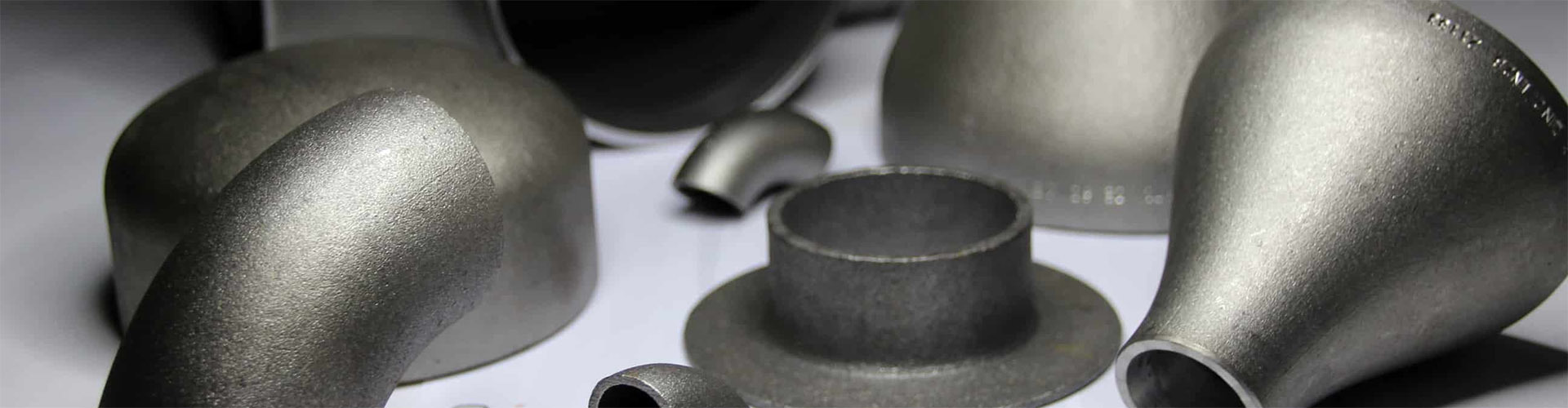
A flat welded flange is characterized by its flat face, which provides an effective sealing surface when mated with another flange or fitting. The diameter of the flange is a critical specification, as it must match the diameter of the connected pipes to ensure proper alignment and functionality. This compatibility is vital for maintaining the integrity and efficiency of the plumbing system.
When selecting a flat welded flange, it's important to consider not only the diameter but also the thickness and material of the flange. These attributes directly influence the flange's performance under pressure and temperature fluctuations. Common materials for flat welded flanges include carbon steel, stainless steel, and alloy steel, each offering different benefits and suitability for various environments. For instance, stainless steel flanges are preferred in corrosive environments due to their resistance to rust and oxidation.
Furthermore, the diameter of the flat welded flange is often determined by the specific requirements of the project. Standard sizes can range from small diameters used in residential applications to larger diameters required for industrial systems. Ensuring that the correct diameter is chosen is crucial, as it affects not only the fitting but also the overall flow rate and pressure within the system. An improperly sized flange can lead to inefficiencies and potential system failures.
Installation of flat welded flanges requires careful attention to detail. Proper welding techniques must be employed to ensure that the flange is securely attached to the pipe. This involves cleaning the surfaces, using suitable welding equipment, and adhering to industry standards for safety and quality. Additionally, post-weld inspections are recommended to verify that there are no defects that could compromise the joint's integrity.
In summary, flat welded flanges with various diameters are integral components in piping systems used within the construction and decoration materials sector. By understanding the significance of diameter, material choice, and proper installation techniques, professionals can ensure the reliability and functionality of their projects. Whether it's for residential plumbing or large-scale industrial applications, a thorough grasp of flat welded flanges is essential for achieving successful outcomes in your work.
Key words:
PREVIOUS:
Contact Us
E-mail:
sales@mxlpipeline.com
WeChat/Tel:
+86-13333368204
Address:
200 meters north of the intersection of Yanta Road, Yanshan , Cangzhou, Hebei Province, China 061300

Add: 200 meters north of the intersection of Yanta Road, Yanshan , Cangzhou, Hebei Province, China 061300


Contact Information
Contact: General Manager Leo
WeChat/Tel: +86-13333368204
WhatsApp: +86-13333368204
E-mail: sales@mxlpipeline.com


Request Quote
* Note: Leave your contact information to get a free product quote