
Scientific and Technological Innovation, Quality-Oriented
Innovations in Forged Pipe Fitting Designs for Oil and Gas Solutions
Innovations in Forged Pipe Fitting Designs for Oil and Gas Solutions Table of Contents Introduction to Forged Pipe Fittings The Importance of Forged Pipe Fittings in Oil and Gas Recent Innovations in Pipe Fitting Designs Advanced Materials Used in Forged Fittings Innovative Design Techniques Cutting-Edge Manufacturing Processes Applications of Modern Forged Pip
Dec 08,2025
Innovations in Forged Pipe Fitting Designs for Oil and Gas Solutions
Table of Contents
- Introduction to Forged Pipe Fittings
- The Importance of Forged Pipe Fittings in Oil and Gas
- Recent Innovations in Pipe Fitting Designs
- Advanced Materials Used in Forged Fittings
- Innovative Design Techniques
- Cutting-Edge Manufacturing Processes
- Applications of Modern Forged Pipe Fittings
- Enhancing Safety with Innovative Designs
- Sustainability in Forged Fitting Designs
- Challenges in Forged Pipe Fitting Production
- The Future of Forged Pipe Fittings in Oil and Gas
- Frequently Asked Questions
- Conclusion
Introduction to Forged Pipe Fittings
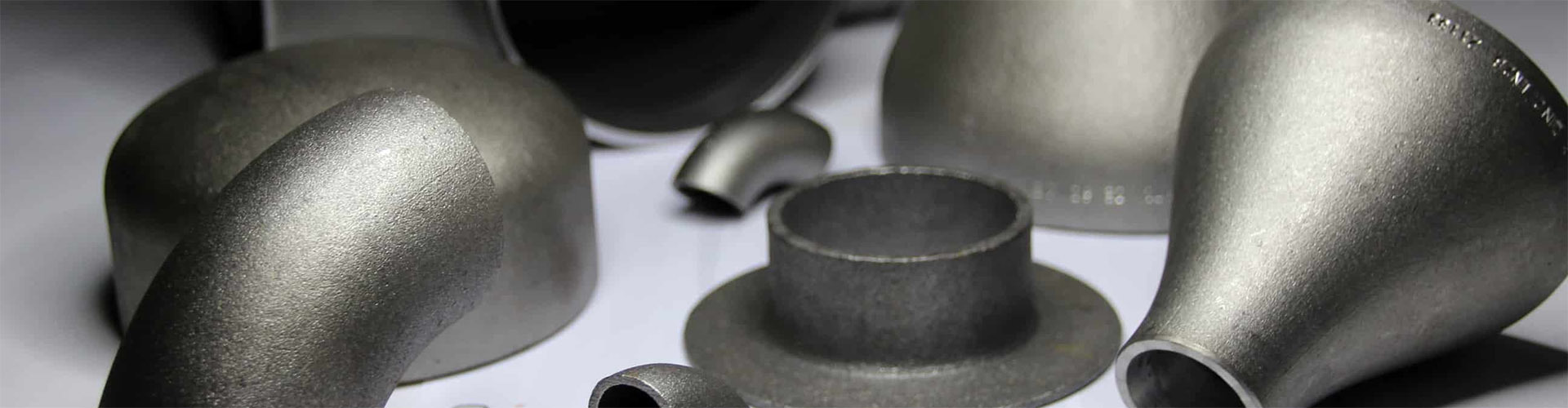
Forged pipe fittings play a critical role in the oil and gas industry. They serve as essential components that facilitate the seamless flow of materials through complex piping systems. With the increasing demand for efficiency, reliability, and sustainability, the evolution of forged pipe fitting designs has become more pronounced. In this article, we will delve into the most significant innovations in the design and manufacturing of forged pipe fittings, particularly in the context of oil and gas solutions.
The Importance of Forged Pipe Fittings in Oil and Gas
Forged pipe fittings are integral to various processes in the oil and gas sector. Their robustness and durability make them ideal for high-pressure and high-temperature environments. These fittings are essential for ensuring safe and efficient operations, preventing leaks, and maintaining the integrity of pipelines. Their importance cannot be overstated, as they directly affect the performance and safety of oil and gas transportation systems.
Recent Innovations in Pipe Fitting Designs
As technology advances, so do the designs of forged pipe fittings. The following sections explore the latest innovations that are setting new benchmarks in the industry.
Advanced Materials Used in Forged Fittings
The selection of materials is crucial in the production of forged pipe fittings. Recent innovations have introduced high-strength alloys and composite materials that enhance the durability and performance of these fittings. New materials such as duplex stainless steel and nickel-based alloys offer improved resistance to corrosion, extreme temperatures, and pressures. These advancements not only prolong the lifespan of the fittings but also reduce maintenance costs and downtime.
Innovative Design Techniques
The design of forged pipe fittings has evolved significantly, driven by the need for greater efficiency and reliability. Advanced computational fluid dynamics (CFD) modeling and simulation techniques allow engineers to analyze and optimize the flow characteristics within fittings. This leads to the creation of designs that minimize turbulence and pressure drops, improving overall system performance. Moreover, the adoption of 3D printing technology in the prototyping phase enables rapid iterations and customizations, ensuring that fittings meet specific operational requirements.
Cutting-Edge Manufacturing Processes
The manufacturing of forged pipe fittings has also seen significant advancements. Techniques such as precision forging and hot isostatic pressing (HIP) are becoming more prevalent. Precision forging allows for tighter tolerances and better material properties, while HIP enhances the density and mechanical properties of the fittings. These processes result in fittings that not only meet but exceed industry standards, providing greater reliability and safety in demanding applications.
Applications of Modern Forged Pipe Fittings
Modern forged pipe fittings have a wide range of applications in the oil and gas industry. From upstream exploration to downstream refining processes, these fittings are utilized in various systems. They are crucial in drilling operations, pipeline transportation, and processing plants. The versatility and reliability of forged pipe fittings make them suitable for both onshore and offshore applications, where they must withstand extreme environmental conditions.
Enhancing Safety with Innovative Designs
Safety is paramount in the oil and gas sector, where equipment failure can have catastrophic consequences. Innovations in forged pipe fitting designs focus on enhancing safety features. The incorporation of advanced sealing technologies reduces the risk of leaks, while improved stress distribution designs mitigate the likelihood of mechanical failure. Furthermore, rigorous testing protocols, including non-destructive testing (NDT), ensure that every fitting meets the highest safety standards before deployment.
Sustainability in Forged Fitting Designs
Sustainability is a prominent concern in the modern oil and gas industry. Innovations in forged pipe fittings are beginning to embrace sustainable practices. The use of recyclable materials and energy-efficient manufacturing processes contributes to reducing the carbon footprint of these components. Additionally, the longer lifespan of high-performance fittings means fewer replacements, which translates into less waste and reduced environmental impact.
Challenges in Forged Pipe Fitting Production
Despite the advancements, the production of forged pipe fittings faces several challenges. The complexity of new materials and designs can lead to increased costs and longer production times. Furthermore, the need for specialized equipment and skilled labor adds to the challenges manufacturers face. Keeping up with regulatory standards and ensuring compliance with international norms also require significant attention and resources.
The Future of Forged Pipe Fittings in Oil and Gas
As we look to the future, the innovations in forged pipe fitting designs are poised to revolutionize the oil and gas industry. The ongoing focus on safety, efficiency, and sustainability will drive further advancements, leading to the development of even more robust and reliable fittings. The integration of smart technologies, such as IoT sensors, into pipe fittings could provide real-time data on performance and condition, enhancing predictive maintenance and operational efficiency.
Frequently Asked Questions
1. What are forged pipe fittings?
Forged pipe fittings are components used to connect pipes, tubes, and other equipment in various applications, particularly in high-pressure and high-temperature environments like oil and gas.
2. How do innovations in materials affect forged pipe fittings?
Innovations in materials, such as high-strength alloys and composites, enhance the durability, resistance to corrosion, and overall performance of forged pipe fittings, resulting in longer-lasting and more reliable solutions.
3. What role does design play in the effectiveness of forged fittings?
The design of forged fittings influences their flow characteristics, stress distribution, and overall efficiency in systems, affecting performance, safety, and maintenance requirements.
4. Are modern forged pipe fittings more environmentally friendly?
Yes, modern forged pipe fittings incorporate sustainable practices, such as using recyclable materials and energy-efficient manufacturing processes, contributing to a reduced environmental impact.
5. What are the main challenges in the production of forged pipe fittings?
Challenges include the complexity of new materials, increased production costs, the need for skilled labor, and compliance with stringent regulatory standards.
Conclusion
The innovations in forged pipe fitting designs for oil and gas solutions represent a significant leap forward in ensuring reliability, efficiency, and safety in the industry. With advancements in materials, design, and manufacturing processes, the future of forged pipe fittings looks promising. As we continue to face the challenges of sustainability and performance, embracing these innovations will be crucial in maintaining the integrity and efficiency of oil and gas operations. The ongoing evolution in this field not only enhances operational capabilities but also ensures a safer and more sustainable future for the industry at large.
Key words:
Contact Us
E-mail:
sales@mxlpipeline.com
WeChat/Tel:
+86-13333368204
Address:
200 meters north of the intersection of Yanta Road, Yanshan , Cangzhou, Hebei Province, China 061300

Add: 200 meters north of the intersection of Yanta Road, Yanshan , Cangzhou, Hebei Province, China 061300


Contact Information
Contact: General Manager Leo
WeChat/Tel: +86-13333368204
WhatsApp: +86-13333368204
E-mail: sales@mxlpipeline.com


Request Quote
* Note: Leave your contact information to get a free product quote