
Scientific and Technological Innovation, Quality-Oriented
Your Comprehensive Guide to High Pressure Forged Pipe Fittings
High pressure forged pipe fittings are critical components in various industries, especially in the field of construction and decorative materials. These fittings are manufactured using a forging process that enhances their strength and durability, making them ideal for high-pressure applications. Understanding the specifics of high pressure forged pipe fittings can help professionals make informe
Dec 09,2025
One of the primary advantages of high pressure forged pipe fittings is their ability to withstand extreme pressures and temperatures. These fittings are designed to endure the rigorous conditions often found in industrial settings, which makes them a preferred choice for pipelines, chemical processing plants, and other demanding environments. Their superior mechanical properties result from the forging process, which aligns the grain structure of the metal, thereby enhancing its resistance to stress and fatigue.
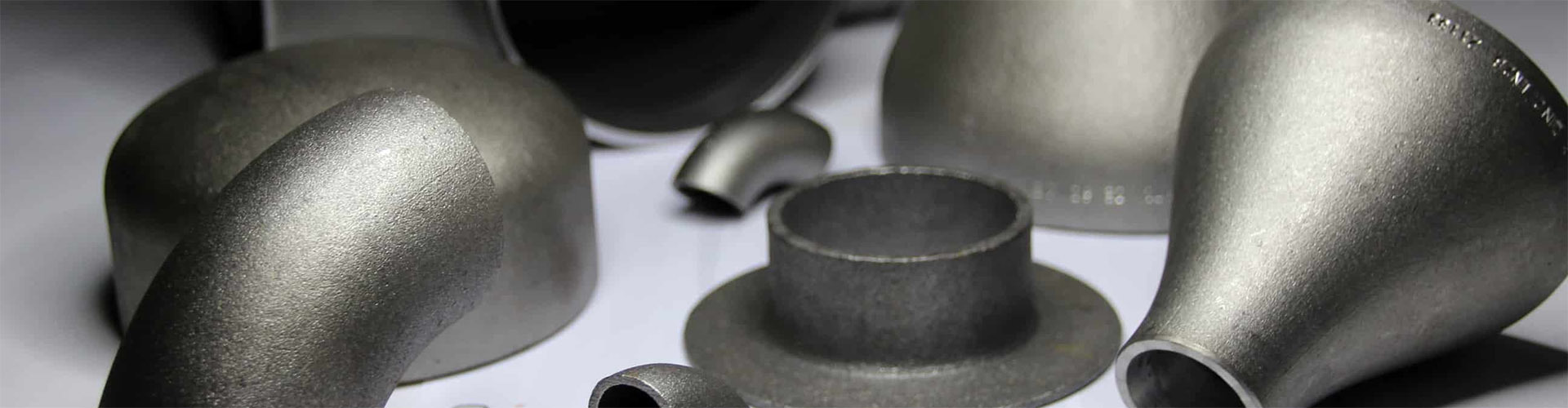
In addition to their strength, high pressure forged pipe fittings are known for their versatility. They can be produced in various shapes and sizes, including elbows, tees, and reducers, allowing them to be customized for specific applications. This adaptability makes them suitable for a wide range of industries, from oil and gas to water treatment and HVAC systems. Professionals in the building and decorative materials sector should consider the specific requirements of their projects when selecting these fittings to ensure optimal performance.
Another noteworthy aspect of high pressure forged pipe fittings is their resistance to corrosion. Many of these fittings are available in stainless steel and other corrosion-resistant materials, which helps prolong their lifespan in environments where exposure to moisture and chemicals is a concern. Proper material selection is crucial, as it contributes not only to the longevity of the fittings but also to the overall efficiency and safety of the piping system.
When installing high pressure forged pipe fittings, it is essential to follow industry standards and best practices. This includes proper welding techniques, installation procedures, and regular maintenance checks to ensure the integrity of the piping system over time. Knowledge of these practices can significantly reduce the risk of leaks or failures, ultimately leading to safer and more reliable operations.
In summary, high pressure forged pipe fittings play a pivotal role in the building and decorative materials industry. Their enhanced strength, versatility, and corrosion resistance make them an essential choice for high-pressure applications. By understanding the characteristics and proper usage of these fittings, professionals can make informed decisions that contribute to the success and safety of their projects.
Key words:
Contact Us
E-mail:
sales@mxlpipeline.com
WeChat/Tel:
+86-13333368204
Address:
200 meters north of the intersection of Yanta Road, Yanshan , Cangzhou, Hebei Province, China 061300

Add: 200 meters north of the intersection of Yanta Road, Yanshan , Cangzhou, Hebei Province, China 061300


Contact Information
Contact: General Manager Leo
WeChat/Tel: +86-13333368204
WhatsApp: +86-13333368204
E-mail: sales@mxlpipeline.com


Request Quote
* Note: Leave your contact information to get a free product quote