
Scientific and Technological Innovation, Quality-Oriented
A Comprehensive Guide to Forged Pipe Fittings for Oil and Gas Professionals
A Comprehensive Guide to Forged Pipe Fittings for Oil and Gas Professionals Table of Contents Introduction to Forged Pipe Fittings Understanding Forged Pipe Fittings: Definitions and Applications Material Properties of Forged Pipe Fittings Types of Forged Pipe Fittings: A Detailed Overview Installation Techniques for Forged Pipe Fittings Safety and Maintenance Practices Industry Sta
Dec 16,2025
A Comprehensive Guide to Forged Pipe Fittings for Oil and Gas Professionals
Table of Contents
- Introduction to Forged Pipe Fittings
- Understanding Forged Pipe Fittings: Definitions and Applications
- Material Properties of Forged Pipe Fittings
- Types of Forged Pipe Fittings: A Detailed Overview
- Installation Techniques for Forged Pipe Fittings
- Safety and Maintenance Practices
- Industry Standards for Forged Pipe Fittings
- Common Issues and Solutions in Forged Pipe Fittings
- Future Trends in Forged Pipe Fittings for Oil and Gas
- Conclusion
- FAQs
Introduction to Forged Pipe Fittings
Forged pipe fittings play a crucial role in the integrity and functionality of piping systems, particularly in the oil and gas industry. These fittings are manufactured through a forging process, which involves shaping metal under high pressure. This results in a product that is generally stronger and more durable than cast fittings, making them an ideal choice for high-stress environments.
In this guide, we will explore the various aspects of forged pipe fittings, including their material properties, types, installation techniques, and maintenance practices. By the end of this article, you will have a comprehensive understanding of how to choose, install, and maintain forged pipe fittings effectively.
Understanding Forged Pipe Fittings: Definitions and Applications
Forged pipe fittings are used to connect pipes, adapt to different diameters, and change the direction of flow in various systems. They are essential in high-pressure and high-temperature applications, commonly found in the oil and gas sector.
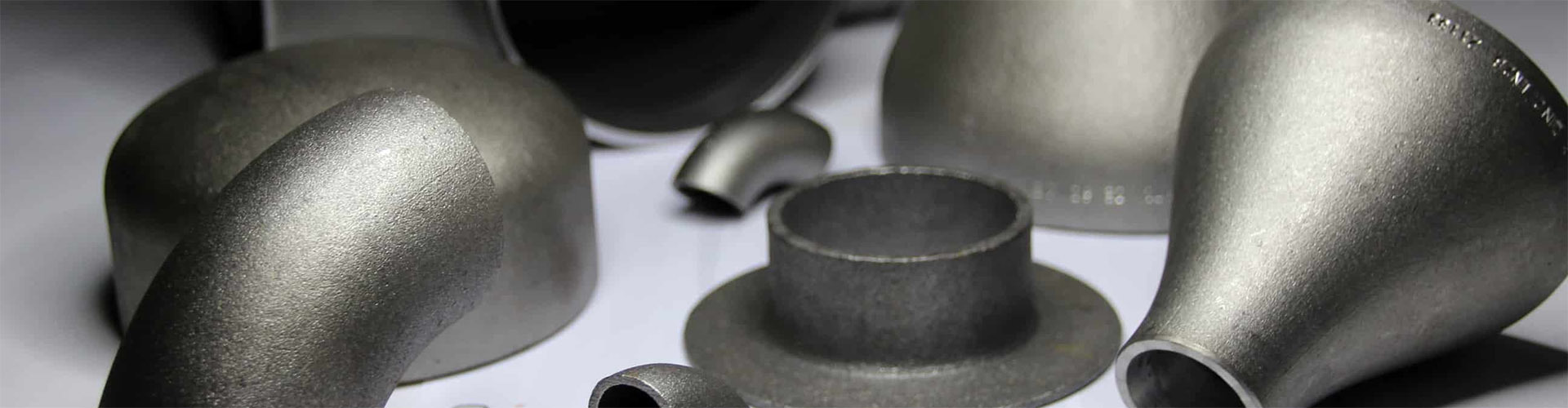
These fittings come in various shapes and sizes, including elbows, tees, reducers, and caps. Understanding their specific applications is vital for ensuring the efficiency and safety of your piping systems.
Key Applications in the Oil and Gas Industry
- **Transportation of Fluids**: Forged fittings are used in pipelines for transporting oil, gas, and other fluids.
- **Pressure Control**: They help maintain the pressure within the systems, preventing leaks and failures.
- **System Integrity**: Ensuring the reliability of connections in challenging environments, including offshore and onshore installations.
Material Properties of Forged Pipe Fittings
The performance of forged pipe fittings largely depends on the materials used in their production. Common materials include carbon steel, stainless steel, and alloy steel. Each material has its unique properties suited for different applications.
Carbon Steel
- **Strength**: High tensile strength makes it suitable for high-pressure applications.
- **Cost-Effectiveness**: Generally more affordable than other materials, making it popular in various projects.
Stainless Steel
- **Corrosion Resistance**: Excellent for environments exposed to moisture and chemicals.
- **Durability**: Retains strength and integrity over time, ensuring long-term performance.
Alloy Steel
- **Custom Properties**: Can be tailored for specific applications through alloying elements.
- **High-Temperature Resistance**: Suitable for extreme temperature applications in oil and gas extraction.
Types of Forged Pipe Fittings: A Detailed Overview
Understanding the different types of forged pipe fittings is essential for selecting the right components for your piping system. Here are the most common types:
Elbows
Used to change the direction of the pipeline, elbows come in various angles, typically 45 and 90 degrees.
Tees
These fittings allow for branching off a pipeline, connecting three sections of pipe at a single junction.
Reducers
Reducers are used to connect pipes of different diameters, ensuring a smooth flow transition.
Caps
Caps are used to close the ends of pipes, effectively sealing the system.
Flanges
Flanges provide a method for connecting pipes, valves, and equipment, allowing for easy disassembly and maintenance.
Installation Techniques for Forged Pipe Fittings
Proper installation of forged pipe fittings is crucial for the overall performance of the piping system. Here are some key installation techniques:
Preparation of Pipe Ends
Ensure that the ends of the pipes are clean and free from debris. This is essential for achieving a secure fit.
Alignment
Proper alignment of the fittings is necessary to avoid undue stress on the joints. Using pipe alignment tools can assist in achieving precision.
Welding and Threading
Depending on the fitting type, you may need to weld or thread the fittings to the pipes. Follow standard procedures and guidelines to ensure a strong connection.
Testing the System
After installation, conduct pressure testing to identify any leaks or weaknesses in the system.
Safety and Maintenance Practices
Safety is paramount in the oil and gas industry. Regular maintenance of forged pipe fittings is essential to prevent failures.
Routine Inspections
Conduct regular inspections of pipe fittings for signs of wear, corrosion, or leaks. Early detection is key to preventing major failures.
Cleaning
Keep the fittings clean to prevent corrosion. Use appropriate cleaning agents and methods suitable for the material.
Replacement of Damaged Fittings
Replace any damaged fittings immediately to maintain the integrity of the system.
Industry Standards for Forged Pipe Fittings
Adhering to industry standards is crucial for ensuring the safety and reliability of forged pipe fittings. Several organizations set these standards, including:
ASTM (American Society for Testing and Materials)
ASTM provides specifications for the materials and processes used in the manufacturing of forged fittings.
ASME (American Society of Mechanical Engineers)
ASME standards outline the design, fabrication, and inspection of piping systems in the oil and gas industry.
API (American Petroleum Institute)
API standards ensure that products are suitable for use in the petroleum and natural gas industries.
Common Issues and Solutions in Forged Pipe Fittings
Even with the best practices, issues can arise with forged pipe fittings. Here are some common problems and their solutions:
Corrosion
**Solution**: Use corrosion-resistant materials and apply protective coatings.
Leakage
**Solution**: Ensure proper installation and regular maintenance checks.
Cracking
**Solution**: Monitor for stress and fatigue, especially in high-pressure applications.
Future Trends in Forged Pipe Fittings for Oil and Gas
The oil and gas industry is evolving, and so are forged pipe fittings. Here are some future trends to watch:
Advanced Materials
The development of new materials that offer greater strength and corrosion resistance will enhance the performance of forged fittings.
Smart Fittings
The integration of technology, such as sensors in fittings, can provide real-time data on the health of the piping system.
Sustainability Practices
Increased focus on sustainable practices will lead to the use of eco-friendly materials and manufacturing processes.
Conclusion
Forged pipe fittings are an integral part of the oil and gas industry, ensuring the efficiency and safety of piping systems. By understanding their types, material properties, installation techniques, and maintenance practices, industry professionals can make informed decisions that enhance operational performance. As the industry evolves, staying updated on trends and technologies will be crucial for maintaining a competitive edge.
FAQs
What are forged pipe fittings made from?
Forged pipe fittings are typically made from materials like carbon steel, stainless steel, and alloy steel.
How do I choose the right forged pipe fitting?
Consider factors such as material properties, application requirements, and pressure ratings when selecting a forged fitting.
What are the advantages of using forged over cast fittings?
Forged fittings generally offer higher strength, durability, and resistance to stress compared to cast fittings.
How often should I inspect forged pipe fittings?
Regular inspections should be conducted according to industry standards, typically at least annually or more often in high-risk environments.
Can I install forged fittings myself?
While some installation processes can be done independently, it's recommended to consult with professionals, especially for high-pressure applications.
Key words:
PREVIOUS:
Contact Us
E-mail:
sales@mxlpipeline.com
WeChat/Tel:
+86-13333368204
Address:
200 meters north of the intersection of Yanta Road, Yanshan , Cangzhou, Hebei Province, China 061300

Add: 200 meters north of the intersection of Yanta Road, Yanshan , Cangzhou, Hebei Province, China 061300


Contact Information
Contact: General Manager Leo
WeChat/Tel: +86-13333368204
WhatsApp: +86-13333368204
E-mail: sales@mxlpipeline.com


Request Quote
* Note: Leave your contact information to get a free product quote