
Scientific and Technological Innovation, Quality-Oriented
Understanding Flange Connection Fittings: A Comprehensive Guide for Construction and Decoration Materials
Flange connection fittings play a pivotal role in the construction and decoration of various infrastructure projects. These fittings are used to connect pipes, valves, pumps, and other equipment in a piping system, ensuring a secure and leak-proof assembly. The importance of utilizing high-quality flange fittings cannot be overstated, as they directly impact the efficiency and safety of fluid tran
Mar 19,2026
One of the key advantages of flange connection fittings is their ease of installation. Unlike welded connections, which require special equipment and skills, flange fittings can be assembled and disassembled with relative simplicity. This feature not only saves time during installation but also allows for easier maintenance and repair of piping systems. Moreover, flange fittings are available in a variety of materials, including stainless steel, carbon steel, and PVC, enabling them to suit different environmental conditions and applications.
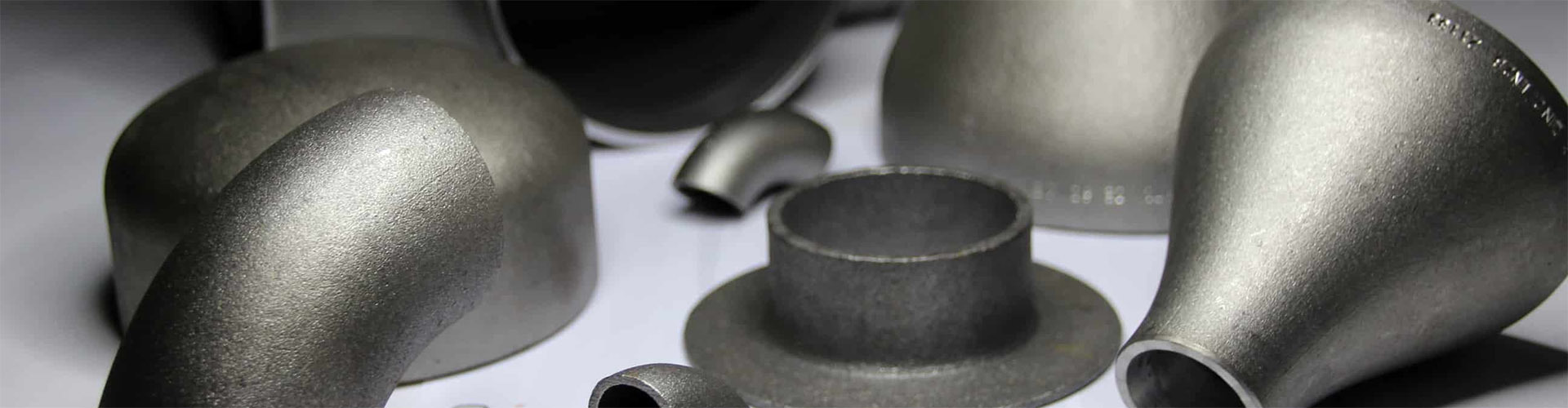
There are several types of flange connection fittings available, each with its unique design and application. The most common types include:
1. **Weld Neck Flanges**: These flanges are designed for high-stress applications. Their tapered neck provides strength and makes them ideal for welding to pipes.
2. **Slip-On Flanges**: These flanges are easy to install as they simply slip over the pipe and are welded in place. They are commonly used for lower-pressure applications.
3. **Blind Flanges**: As the name suggests, blind flanges are used to seal off the end of a piping system. They are crucial for maintenance purposes, allowing sections of piping to be isolated.
4. **Socket Weld Flanges**: These are used for high-pressure applications and are fitted by inserting the pipe into the flange and welding around the joint.
5. **Lap Joint Flanges**: These flanges are used in conjunction with a stub end and allow for easy alignment and assembly.
When installing flange connection fittings, several best practices should be followed to ensure a reliable connection. First, it is essential to clean the mating surfaces of both the flange and the pipe to remove any debris or contaminants. This cleaning process helps to achieve a proper seal. Next, gaskets should be used between the flanges to prevent leaks, and the bolts should be tightened in a crosswise pattern to ensure even pressure distribution.
In summary, flange connection fittings are a vital aspect of piping systems in the construction and decoration materials industry. Their variety and ease of use make them indispensable for ensuring the integrity and functionality of piping installations. By understanding the different types of flange fittings and adhering to proper installation practices, professionals can enhance the safety and efficiency of their projects.
Key words:
Contact Us
E-mail:
sales@mxlpipeline.com
WeChat/Tel:
+86-13333368204
Address:
200 meters north of the intersection of Yanta Road, Yanshan , Cangzhou, Hebei Province, China 061300

Add: 200 meters north of the intersection of Yanta Road, Yanshan , Cangzhou, Hebei Province, China 061300


Contact Information
Contact: General Manager Leo
WeChat/Tel: +86-13333368204
WhatsApp: +86-13333368204
E-mail: sales@mxlpipeline.com


Request Quote
* Note: Leave your contact information to get a free product quote