
Scientific and Technological Innovation, Quality-Oriented
Exploring High Pressure Forged Pipe Fittings: Essential Insights for Professionals
High pressure forged pipe fittings are an integral part of various industrial applications, particularly in sectors that require robust and reliable piping systems. These fittings are crafted through a forging process, which involves shaping metal using compressive forces. This method enhances the structural integrity of the fittings, making them suitable for high-pressure environments. One of the
Mar 31,2026
One of the primary advantages of high pressure forged pipe fittings is their superior strength compared to fittings produced through casting or machining processes. The forging process aligns the metal's grain structure, resulting in improved resistance to stress, corrosion, and fatigue. As a result, these fittings are widely used in industries such as oil and gas, chemical processing, and power generation, where safety and reliability are paramount.
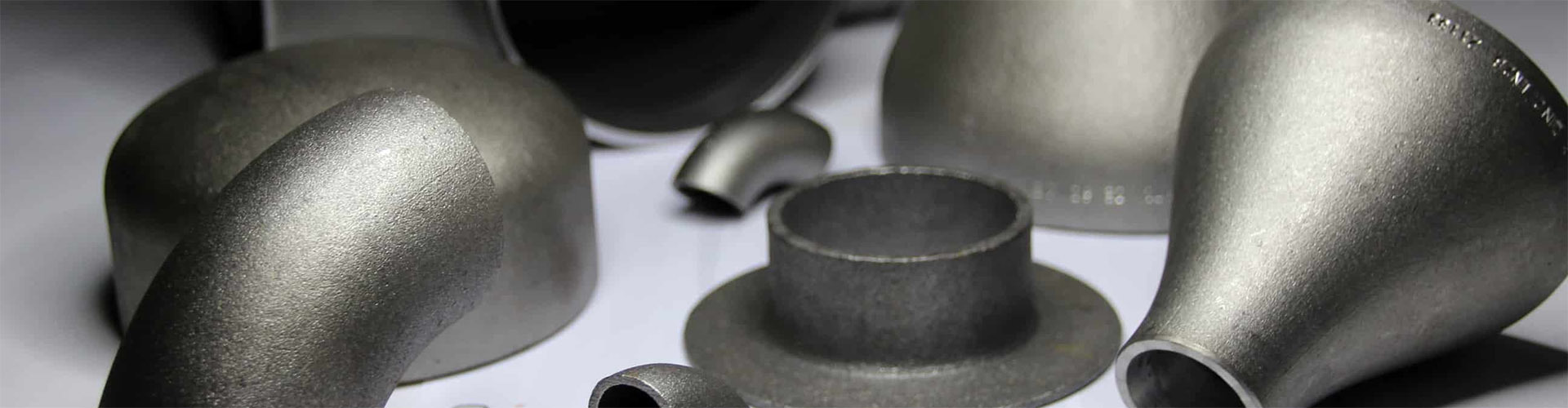
In addition to their strength, high pressure forged pipe fittings are also versatile. They come in various shapes and sizes, including elbows, tees, reducers, and flanges, allowing them to be used in a wide range of piping configurations. This versatility makes them ideal for projects requiring complex piping layouts, as they can be seamlessly integrated into existing systems.
The manufacturing process of high pressure forged pipe fittings typically involves several stages. Initially, high-quality metal billets are heated to a specific temperature, making them malleable. Skilled technicians then use hammers or presses to shape the heated metal into the desired fitting form. Once shaped, the fittings undergo heat treatment processes to enhance their mechanical properties further. Finally, they are subjected to rigorous testing to ensure they meet industry standards for pressure and safety.
When selecting high pressure forged pipe fittings for a project, it is crucial to consider the material used. Common materials include carbon steel, stainless steel, and alloy steel, each offering unique properties suited for different applications. For instance, stainless steel fittings are preferred in industries where corrosion resistance is critical, while carbon steel fittings are often chosen for their cost-effectiveness in less demanding environments.
In conclusion, high pressure forged pipe fittings play a pivotal role in ensuring the safety and efficiency of piping systems across various industries. Their enhanced strength, versatility, and reliability make them a preferred choice for professionals looking to optimize their piping solutions. Understanding the characteristics and applications of these fittings can significantly impact the success of construction and decorative material projects, ultimately leading to safer and more efficient operations.
Key words:
PREVIOUS:
Contact Us
E-mail:
sales@mxlpipeline.com
WeChat/Tel:
+86-13333368204
Address:
200 meters north of the intersection of Yanta Road, Yanshan , Cangzhou, Hebei Province, China 061300

Add: 200 meters north of the intersection of Yanta Road, Yanshan , Cangzhou, Hebei Province, China 061300


Contact Information
Contact: General Manager Leo
WeChat/Tel: +86-13333368204
WhatsApp: +86-13333368204
E-mail: sales@mxlpipeline.com


Request Quote
* Note: Leave your contact information to get a free product quote