
Scientific and Technological Innovation, Quality-Oriented
Understanding Flat Welded Flanges with Diameter: A Comprehensive Guide
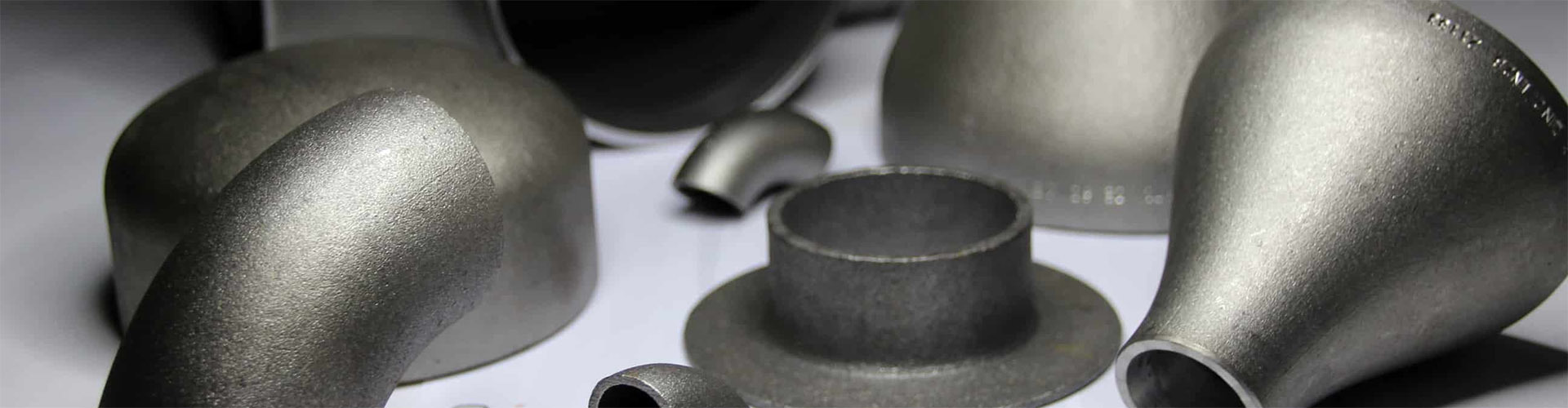
Flat welded flanges, often referred to simply as flanges, are crucial components in various industries, especially in the construction and plumbing sectors. These flanges provide a means of connection between pipes, making them indispensable in the assembly of piping systems. The flat welded flange is designed to be welded directly to the end of a pipe, creating a robust and secure joint that can
Mar 23,2026
One of the key specifications of flat welded flanges is their diameter. The diameter of a flange is crucial as it must match the diameter of the pipes being joined. This ensures a proper fit and minimizes the risk of leaks. Flanges are available in a range of diameters, typically measured in inches or millimeters, depending on the standard dimensions used in a specific application or region. Standard sizes often include nominal pipe sizes such as 1", 2", 3", and so forth, allowing for easy integration into existing systems.
The material composition of flat welded flanges is another important consideration. They can be manufactured from various materials, including carbon steel, stainless steel, and alloys, to suit different environmental conditions and mechanical requirements. For example, stainless steel flanges are preferred in corrosive environments due to their resistance to rust and corrosion.
One of the advantages of using flat welded flanges is their ability to provide a smooth surface for a reliable seal. The flat face of the flange allows for the application of gaskets, which can further enhance sealing performance. This is particularly important in applications where fluids are transported under pressure, as any failure in the seal can lead to significant leaks and operational downtime.
In addition to their functional benefits, flat welded flanges also contribute to the ease of assembly and disassembly of piping systems. When maintenance or repairs are required, flanges allow for quick access to the piping without the need to cut or replace entire sections of pipe. This not only saves time and labor costs but also minimizes the impact on the overall system.
In summary, flat welded flanges with diameter specifications play a crucial role in the construction and decoration materials industry, particularly in the context of piping systems. Understanding their dimensions, material options, and applications can help professionals make informed decisions when selecting components for their projects. Whether for residential, commercial, or industrial uses, the right flat welded flange can ensure reliable and efficient operation of piping systems, ultimately contributing to the success of any construction or renovation project.
Key words:
Contact Us
E-mail:
sales@mxlpipeline.com
WeChat/Tel:
+86-13333368204
Address:
200 meters north of the intersection of Yanta Road, Yanshan , Cangzhou, Hebei Province, China 061300

Add: 200 meters north of the intersection of Yanta Road, Yanshan , Cangzhou, Hebei Province, China 061300


Contact Information
Contact: General Manager Leo
WeChat/Tel: +86-13333368204
WhatsApp: +86-13333368204
E-mail: sales@mxlpipeline.com


Request Quote
* Note: Leave your contact information to get a free product quote