
Scientific and Technological Innovation, Quality-Oriented
Understanding Flange Connection Fittings: Key Components in Construction and Decoration
Flange connection fittings are essential components in piping systems, particularly in construction and decorative applications. These fittings serve as a means of joining different sections of pipe or connecting pipes to other equipment and machinery. The primary purpose of flange fittings is to provide a reliable and secure method for fluid transfer while ensuring structural integrity. When sele
Apr 04,2026
When selecting flange connection fittings, it is crucial to consider several factors, including material compatibility, pressure ratings, and design standards. Common materials used for these fittings include carbon steel, stainless steel, and various alloys, each chosen based on the specific requirements of the application. Stainless steel is often preferred for its corrosion resistance, while carbon steel is valued for its strength and cost-effectiveness.
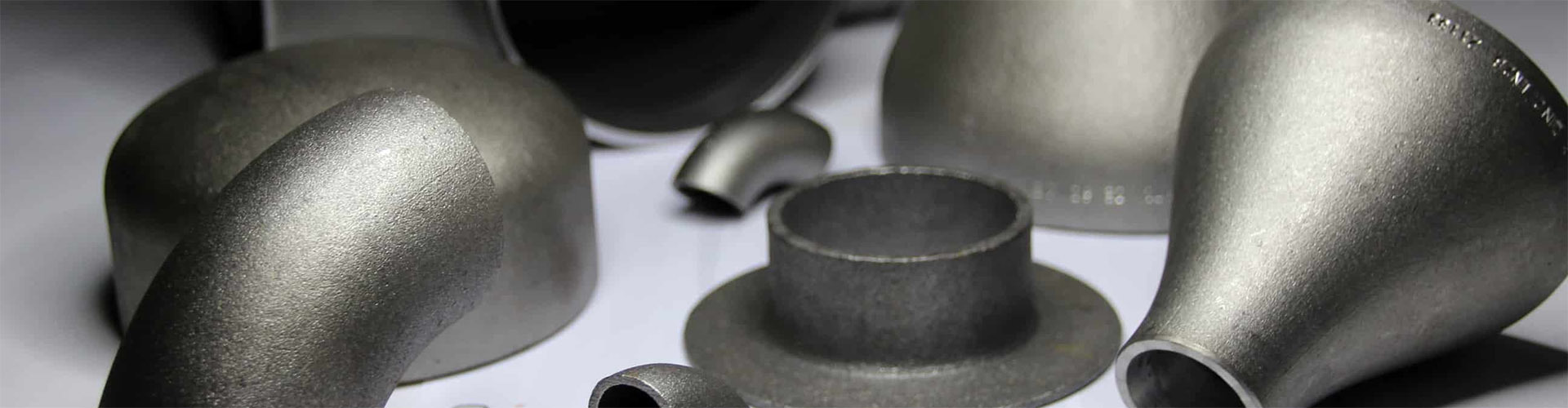
There are several types of flange connection fittings, including slip-on, weld neck, blind, and threaded flanges. Each type has its unique advantages and is suited for different applications. For instance, slip-on flanges are easy to install and align, making them ideal for low-pressure systems. On the other hand, weld neck flanges are designed for high-pressure applications and provide better stress distribution.
Installation of flange connection fittings requires precision and adherence to best practices to ensure optimal performance. Proper alignment is key, as misalignment can lead to leaks or failures. It is essential to use appropriate gaskets and bolts during installation to create a tight seal. Additionally, following industry standards and guidelines, such as those outlined by the American National Standards Institute (ANSI) or the American Society of Mechanical Engineers (ASME), is critical for ensuring safety and reliability.
The benefits of using flange connection fittings in construction and decoration projects are manifold. They provide ease of maintenance, as flanged connections can be easily disassembled for cleaning, inspection, or replacement. Furthermore, flanges can accommodate thermal expansion and contraction, which is vital in environments subject to temperature fluctuations.
In summary, flange connection fittings are indispensable elements in the construction and decoration materials sector, playing a vital role in the integrity and efficiency of piping systems. Understanding their types, benefits, and installation practices can significantly enhance project outcomes and ensure long-lasting performance. For professionals in the field, having a comprehensive knowledge of these fittings is essential for making informed decisions that contribute to successful project execution.
Key words:
PREVIOUS:
Contact Us
E-mail:
sales@mxlpipeline.com
WeChat/Tel:
+86-13333368204
Address:
200 meters north of the intersection of Yanta Road, Yanshan , Cangzhou, Hebei Province, China 061300

Add: 200 meters north of the intersection of Yanta Road, Yanshan , Cangzhou, Hebei Province, China 061300


Contact Information
Contact: General Manager Leo
WeChat/Tel: +86-13333368204
WhatsApp: +86-13333368204
E-mail: sales@mxlpipeline.com


Request Quote
* Note: Leave your contact information to get a free product quote