
Scientific and Technological Innovation, Quality-Oriented
Forged Pipe Fittings: The Backbone of Oil and Gas Pipeline Systems
Forged Pipe Fittings: The Backbone of Oil and Gas Pipeline Systems In the realm of oil and gas pipeline systems, the significance of forged pipe fittings cannot be overstated. These components serve as the critical junctions that ensure the seamless flow of substances across extensive networks. Understanding their role, manufacturing process, and advantages is essential for stakeholders in the ind
Apr 14,2026
Forged Pipe Fittings: The Backbone of Oil and Gas Pipeline Systems
In the realm of oil and gas pipeline systems, the significance of forged pipe fittings cannot be overstated. These components serve as the critical junctions that ensure the seamless flow of substances across extensive networks. Understanding their role, manufacturing process, and advantages is essential for stakeholders in the industry. This detailed article aims to provide a comprehensive overview of forged pipe fittings and their undeniable importance in the pipeline sector.
Table of Contents
- 1. Introduction to Forged Pipe Fittings
- 2. The Manufacturing Process of Forged Pipe Fittings
- 3. Types of Forged Pipe Fittings
- 4. Advantages of Using Forged Pipe Fittings
- 5. Applications in Oil and Gas Pipeline Systems
- 6. Maintenance and Repair of Forged Pipe Fittings
- 7. Challenges in Forged Pipe Fittings
- 8. The Future of Forged Pipe Fittings in the Industry
- 9. Frequently Asked Questions
- 10. Conclusion
1. Introduction to Forged Pipe Fittings
Forged pipe fittings are essential components made from high-strength materials, designed to connect pipes in various systems. Unlike cast fittings, forgings are produced through a process that involves shaping metal under high pressure, resulting in stronger and more durable products. For the oil and gas industry, where safety and reliability are paramount, forged fittings serve as a critical backbone in ensuring operational efficiency.
2. The Manufacturing Process of Forged Pipe Fittings
The manufacturing process of forged pipe fittings typically involves several key stages:
2.1 Material Selection
The first step in producing forged pipe fittings is selecting the appropriate material. Carbon steel, alloy steel, and stainless steel are popular choices due to their excellent mechanical properties and resistance to corrosion. The selection often depends on the specific service conditions the fittings will face.
2.2 Forging Process
Once the material is chosen, it undergoes a forging process, where it is heated and shaped using mechanical force. Common methods include:
- Open Die Forging: Suitable for larger fittings, this method involves shaping metal using flat dies.
- Closed Die Forging: This method uses a die that completely encloses the material, allowing for more complex shapes with tighter tolerances.
2.3 Heat Treatment
To enhance the mechanical properties of the fittings, heat treatment processes, such as annealing or quenching, are often employed. These treatments help improve toughness, strength, and ductility.
2.4 Machining
After forging, the fittings undergo machining processes to achieve precise dimensions and surface finishes. This step ensures that the fittings meet industry standards and fit seamlessly within the pipeline.
3. Types of Forged Pipe Fittings
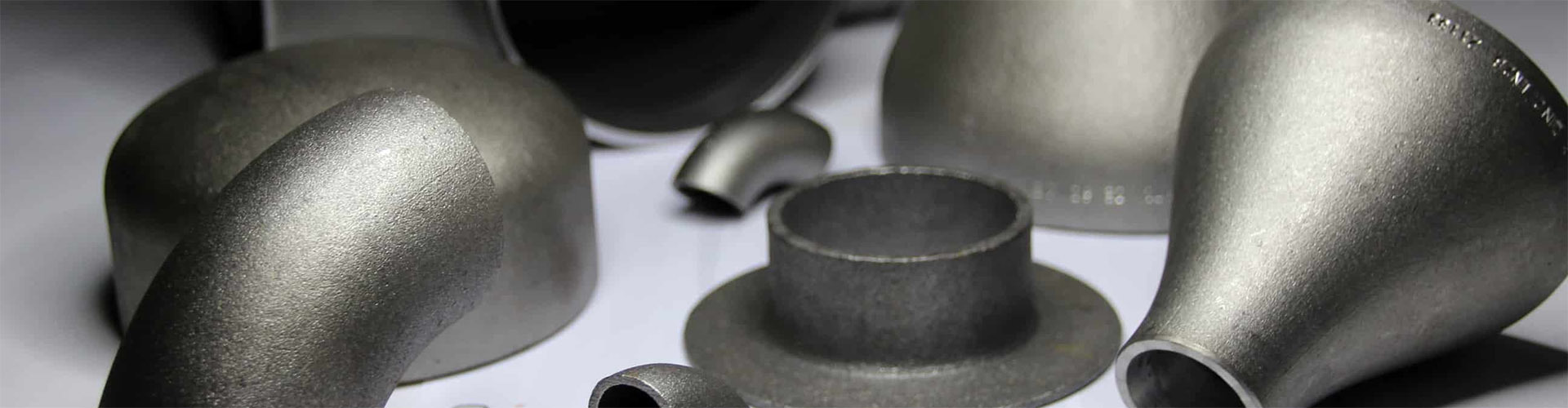
Forged pipe fittings come in various shapes and designs to accommodate different piping configurations. Some of the most common types include:
3.1 Elbows
Elbows are used to change the direction of flow within a pipeline. They are available in various angles, such as 90 degrees or 45 degrees, and are essential for creating complex piping layouts.
3.2 Tees
Tees are used to branch off a pipeline. They can connect three different pipes, allowing for the efficient distribution of fluids and gases.
3.3 Couplings
Couplings are used to connect two pipes of the same diameter, ensuring a secure and leak-proof joint.
3.4 Caps
Caps are designed to seal the end of a pipe, preventing leakage and protecting the interior from contaminants.
3.5 Reducers
Reducers are used to connect pipes of different diameters, facilitating smooth transitions in flow.
4. Advantages of Using Forged Pipe Fittings
Forged pipe fittings offer numerous advantages that make them the preferred choice in oil and gas pipeline systems:
4.1 Strength and Durability
Due to the forging process, these fittings exhibit superior strength and durability compared to cast fittings. They can withstand high-pressure and high-temperature conditions, ensuring long-lasting performance.
4.2 Corrosion Resistance
Many forged fittings are made from corrosion-resistant materials, such as stainless steel, which helps protect against rust and deterioration in harsh environments.
4.3 Versatility
With various shapes and sizes available, forged fittings can be used in multiple applications within oil and gas systems, making them highly versatile.
4.4 Cost-Effectiveness
Although the initial cost of forged fittings may be higher, their durability and reduced maintenance needs often make them a more cost-effective option in the long run.
5. Applications in Oil and Gas Pipeline Systems
Forged pipe fittings are utilized in several applications within oil and gas pipeline systems:
5.1 Oil Transportation
Forged fittings are essential for the efficient transportation of crude oil and refined products through pipelines, helping maintain pressure and flow rates.
5.2 Natural Gas Distribution
In natural gas distribution networks, forged fittings ensure the safe and efficient transfer of gas from production sites to consumers.
5.3 Chemical Processing
Forged fittings are used in chemical processing plants to connect various piping systems, ensuring the safe handling of hazardous materials.
5.4 Water Injection Systems
In enhanced oil recovery processes, forged fittings facilitate the injection of water into oil reservoirs, helping to maintain pressure and improve extraction efficiency.
6. Maintenance and Repair of Forged Pipe Fittings
Proper maintenance is crucial to ensure the longevity of forged pipe fittings. Here are some maintenance strategies:
6.1 Regular Inspections
Conduct routine inspections to identify any signs of wear, corrosion, or damage. Early detection can prevent costly failures in the system.
6.2 Cleaning
Regularly clean the fittings to prevent the accumulation of contaminants, which can lead to corrosion and reduced performance.
6.3 Replacement
When fittings show signs of significant wear or damage, timely replacement is crucial to maintain the efficiency and safety of the pipeline system.
7. Challenges in Forged Pipe Fittings
While forged fittings offer numerous benefits, there are challenges to consider:
7.1 Cost Implications
The initial cost of forged fittings can be higher than other options, which may deter some companies from choosing them, especially in budget-sensitive projects.
7.2 Availability
Depending on the specifications required, some forged fittings may not be readily available, leading to potential delays in procurement and project timelines.
7.3 Quality Variations
Not all manufacturers adhere to the same quality standards, leading to variations in product reliability and performance. It’s essential to source fittings from reputable suppliers.
8. The Future of Forged Pipe Fittings in the Industry
The future of forged pipe fittings appears promising, driven by advancements in manufacturing technologies and materials. Innovations such as:
8.1 Enhanced Materials
Research into new alloys and composites can lead to even stronger and more corrosion-resistant fittings, further improving their performance in harsh environments.
8.2 Automation in Manufacturing
The adoption of automation in the manufacturing process may reduce costs and improve precision, making forged fittings more accessible for various applications.
8.3 Sustainable Practices
As the industry moves towards sustainability, the development of eco-friendly manufacturing processes will be crucial in attracting environmentally conscious customers.
9. Frequently Asked Questions
9.1 What are forged pipe fittings made of?
Forged pipe fittings are typically made of carbon steel, alloy steel, or stainless steel, offering strength and corrosion resistance.
9.2 How do forged fittings differ from cast fittings?
Forged fittings are created through high-pressure shaping, resulting in superior strength and durability compared to cast fittings, which are poured into molds.
9.3 Are forged fittings suitable for high-pressure applications?
Yes, forged fittings are specifically designed to withstand high-pressure conditions, making them ideal for oil and gas applications.
9.4 How often should forged fittings be inspected?
Regular inspections should be conducted at least annually, or more frequently in harsh operating conditions.
9.5 Can forged fittings be repaired?
While minor damage can sometimes be repaired, it is often more cost-effective to replace severely damaged fittings to ensure system integrity.
10. Conclusion
Forged pipe fittings play a vital role in the functionality and safety of oil and gas pipeline systems. Their strength, durability, and versatility make them indispensable components in the industry. As technology evolves and new materials are developed, the future of forged fittings looks bright, promising even greater efficiency and reliability in pipeline operations. Understanding their advantages and maintenance needs will empower stakeholders to make informed decisions, ultimately contributing to safer and more efficient oil and gas transportation.
Key words:
Contact Us
E-mail:
sales@mxlpipeline.com
WeChat/Tel:
+86-13333368204
Address:
200 meters north of the intersection of Yanta Road, Yanshan , Cangzhou, Hebei Province, China 061300

Add: 200 meters north of the intersection of Yanta Road, Yanshan , Cangzhou, Hebei Province, China 061300


Contact Information
Contact: General Manager Leo
WeChat/Tel: +86-13333368204
WhatsApp: +86-13333368204
E-mail: sales@mxlpipeline.com


Request Quote
* Note: Leave your contact information to get a free product quote