
Scientific and Technological Innovation, Quality-Oriented
Understanding High Pressure Forged Pipe Fittings: Essential Insights for Construction and Decoration Materials
High pressure forged pipe fittings are critical components in various construction and industrial applications. These fittings are created through a forging process, which involves shaping metal under high pressure to enhance its strength and durability. This process ensures that the pipe fittings can withstand extreme conditions, making them ideal for high-pressure environments. One of the primar
Apr 16,2026
One of the primary advantages of high pressure forged pipe fittings is their superior strength compared to welded or cast fittings. The forging process aligns the grain structure of the metal, resulting in a product that exhibits excellent mechanical properties. As a result, these fittings can handle high stress and pressure, which is crucial in applications such as oil and gas, water supply, and chemical industries.
When selecting high pressure forged pipe fittings, it’s essential to consider the materials used in their construction. Common materials include stainless steel, carbon steel, and alloy steel, each offering distinct properties. For instance, stainless steel fittings are known for their corrosion resistance, making them suitable for environments exposed to moisture or chemicals. In contrast, carbon steel fittings are often used where cost considerations are paramount, yet they still provide high strength and durability.
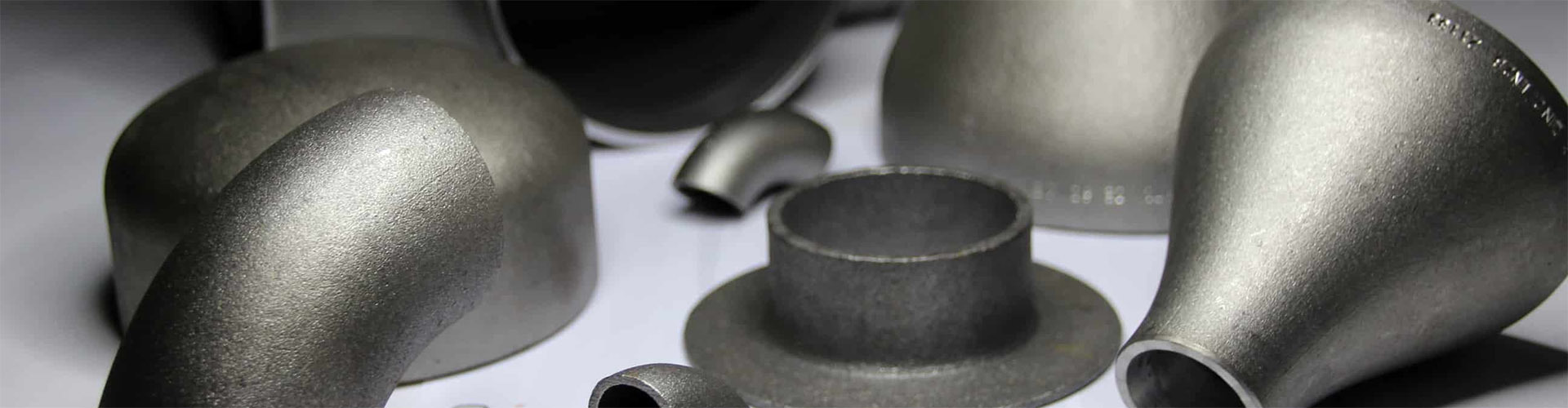
Another important aspect is the variety of types available among high pressure forged pipe fittings. These include elbows, tees, reducers, and caps, each serving different functions within a piping system. For example, elbows are used to change the direction of flow, while reducers help transition between different pipe sizes. Understanding the specific requirements of your application will guide you in selecting the right type of fitting.
Furthermore, installation and maintenance are key considerations when working with high pressure forged pipe fittings. Proper installation techniques are critical to ensure leak-free connections and to maintain the integrity of the piping system. It’s also advisable to regularly inspect these fittings as part of routine maintenance to identify any signs of wear or damage that could compromise their performance.
In summary, high pressure forged pipe fittings play a vital role in various construction and industrial applications. Their strength, durability, and versatility make them a preferred choice for high-pressure environments. By understanding the materials, types, and installation methods associated with these fittings, professionals in the construction and decoration materials industry can make informed decisions that enhance the reliability and safety of their piping systems.
Key words:
PREVIOUS:
Contact Us
E-mail:
sales@mxlpipeline.com
WeChat/Tel:
+86-13333368204
Address:
200 meters north of the intersection of Yanta Road, Yanshan , Cangzhou, Hebei Province, China 061300

Add: 200 meters north of the intersection of Yanta Road, Yanshan , Cangzhou, Hebei Province, China 061300


Contact Information
Contact: General Manager Leo
WeChat/Tel: +86-13333368204
WhatsApp: +86-13333368204
E-mail: sales@mxlpipeline.com


Request Quote
* Note: Leave your contact information to get a free product quote