
Scientific and Technological Innovation, Quality-Oriented
Understanding High Pressure Forged Pipe Fittings: Essential Insights for Professionals
High pressure forged pipe fittings are essential components in various industrial applications, particularly in the construction and decorative materials sector. These fittings are designed to join pipes, enabling the efficient transportation of fluids and gases under high pressure. Understanding the characteristics and advantages of these fittings is crucial for industry professionals who aim to
May 04,2026
One of the primary benefits of high pressure forged pipe fittings is their ability to withstand extreme conditions. Forged fittings are produced through a process that involves shaping metal using compressive forces, resulting in a dense and durable product. This manufacturing method enhances the mechanical properties of the fittings, making them ideal for high-stress environments. As a result, they are commonly used in oil and gas, chemical processing, and power generation industries.
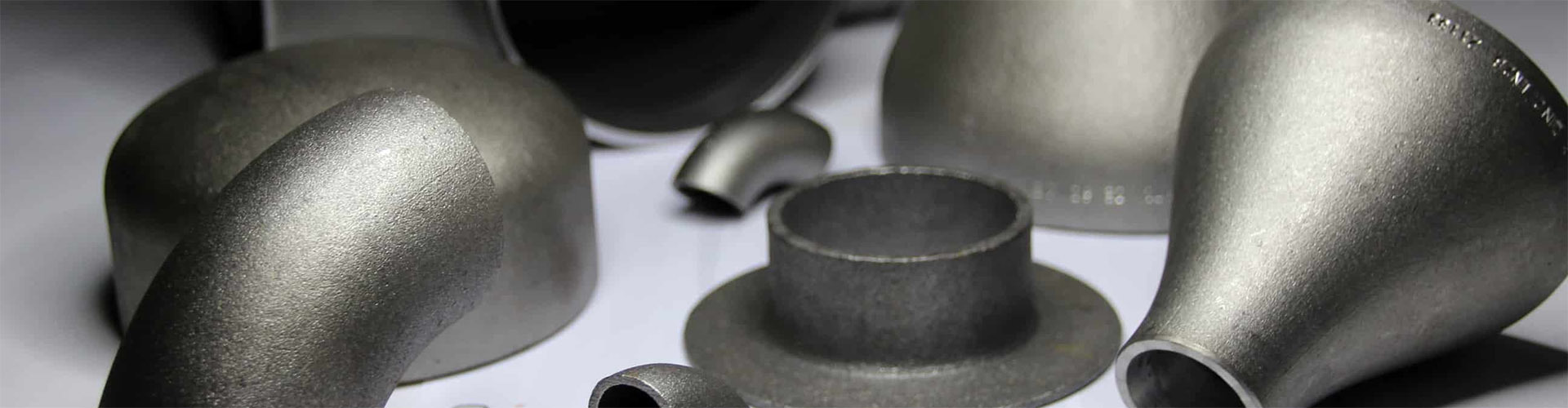
Another significant advantage of these fittings is their versatility. High pressure forged pipe fittings come in various shapes and sizes, including elbows, tees, and reducers. This variety allows professionals to select the appropriate fitting for specific applications, ensuring optimal flow and reducing the risk of leaks. Moreover, these fittings can be fabricated from different materials, such as stainless steel, carbon steel, and alloy steel, providing further options for customization based on the project's requirements.
When it comes to installation, high pressure forged pipe fittings offer ease of use. They are typically designed to accommodate standard welding or threading techniques, streamlining the assembly process. This efficiency can significantly reduce labor costs and installation time, which is a crucial consideration for any construction project.
It is also essential to consider maintenance when working with high pressure forged pipe fittings. Regular inspections and proper care can prolong the lifespan of these fittings, ensuring they perform optimally throughout their service life. Professionals should be aware of common signs of wear or damage, such as corrosion or deformation, and take proactive measures to address these issues.
In conclusion, high pressure forged pipe fittings are a vital aspect of piping systems in various industries. Their strength, versatility, and ease of installation make them an excellent choice for professionals in the construction and decorative materials field. By understanding the nuances of these fittings, industry experts can make informed decisions that enhance the safety and efficiency of their projects. Keeping up with advancements in material technology and fabrication techniques can further empower professionals to leverage the benefits of high pressure forged pipe fittings to their fullest potential.
Key words:
PREVIOUS:
Contact Us
E-mail:
sales@mxlpipeline.com
WeChat/Tel:
+86-13333368204
Address:
200 meters north of the intersection of Yanta Road, Yanshan , Cangzhou, Hebei Province, China 061300

Add: 200 meters north of the intersection of Yanta Road, Yanshan , Cangzhou, Hebei Province, China 061300


Contact Information
Contact: General Manager Leo
WeChat/Tel: +86-13333368204
WhatsApp: +86-13333368204
E-mail: sales@mxlpipeline.com


Request Quote
* Note: Leave your contact information to get a free product quote