
Scientific and Technological Innovation, Quality-Oriented
Essential Maintenance Tips for Steel Pipe and Fittings Systems: Keeping Your Infrastructure Sound
Essential Maintenance Tips for Steel Pipe and Fittings Systems Maintaining steel pipe and fittings systems is crucial for ensuring their longevity and functionality. These systems are fundamental to various industries, including construction, manufacturing, and oil and gas. Regular maintenance not only prevents costly repairs but also safeguards against potential hazards related to leaks and failu
May 07,2026
Essential Maintenance Tips for Steel Pipe and Fittings Systems
Maintaining steel pipe and fittings systems is crucial for ensuring their longevity and functionality. These systems are fundamental to various industries, including construction, manufacturing, and oil and gas. Regular maintenance not only prevents costly repairs but also safeguards against potential hazards related to leaks and failures. In this detailed guide, we will explore essential maintenance tips, common issues, and best practices for keeping your steel pipe and fittings systems in optimal condition.
Table of Contents
- Understanding Steel Pipe and Fittings Systems
- The Importance of Regular Maintenance
- Routine Inspection Procedures
- Detecting and Preventing Corrosion in Steel Pipes
- Leak Detection and Repair Strategies
- Best Practices for Steel Pipe Maintenance
- When to Upgrade Your Piping Systems
- Frequently Asked Questions
Understanding Steel Pipe and Fittings Systems
Steel pipe and fittings systems are integral components in various applications, from transporting liquids and gases to supporting structural frameworks. These systems are typically made from carbon steel, stainless steel, or alloy steel, each offering unique properties suited for different environments. Understanding the components, such as joints, valves, and fittings, is essential for proper maintenance.
Components of Steel Pipe Systems
1. **Pipes**: These are the primary conduits used for fluid or gas transport. They come in various diameters and thicknesses based on the application.
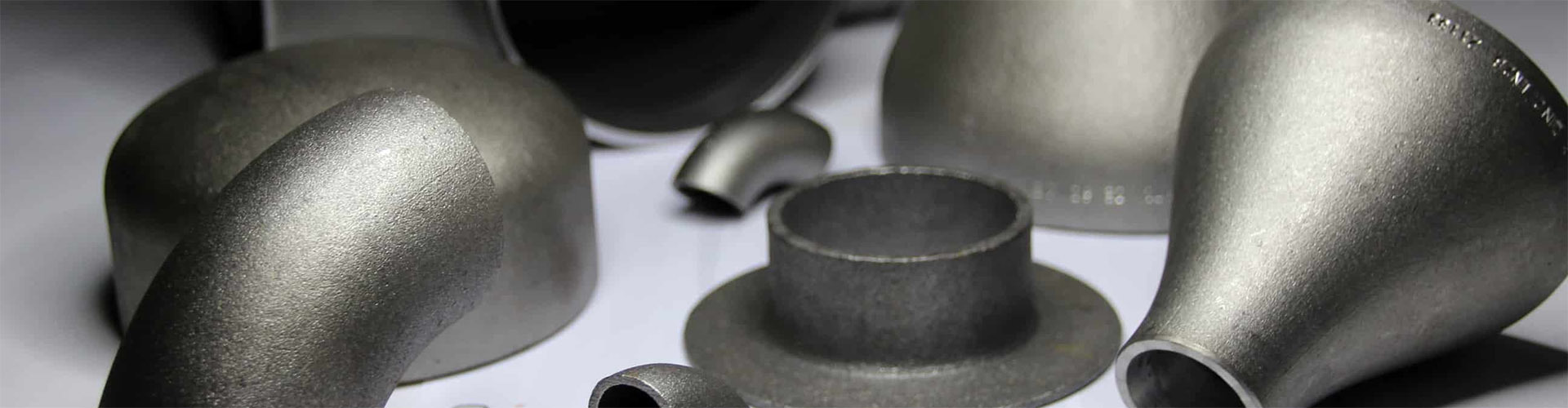
2. **Fittings**: Connect different pipe segments or change the direction of flow. Common types include elbows, tees, and reducers.
3. **Valves**: Control the flow within the piping system, allowing for regulation and shutdown when necessary.
4. **Supports and Hangers**: Provide structural support to maintain alignment and prevent excessive movement.
The Importance of Regular Maintenance
Neglecting maintenance can lead to significant risks, including leaks, downtime, and costly replacements. Regular maintenance ensures that all components function correctly, preventing unforeseen breakdowns.
Economic Benefits of Maintenance
Investing in routine maintenance can significantly reduce operational costs by extending the life of your systems. Preventative measures often cost less than emergency repairs, and maintaining efficiency can lead to lower energy consumption.
Routine Inspection Procedures
Implementing a regular inspection schedule is vital for identifying potential issues before they escalate. Here are key steps to include in your inspection routine:
Visual Inspections
Conduct visual inspections of exposed piping and fittings to identify signs of wear, corrosion, or leaks. Look for:
- Rust or discoloration
- Unusual stains or moisture around fittings
- Physical damage or deformation in pipes
Pressure Testing
Pressure testing verifies the integrity of your piping system. This should be done periodically to ensure that pipes can withstand operational pressures.
Ultrasonic Thickness Testing
This non-destructive testing method measures the wall thickness of pipes. It helps identify corrosion rates and overall pipe health without causing damage.
Detecting and Preventing Corrosion in Steel Pipes
Corrosion is a leading cause of pipe failure. Understanding how to detect and prevent corrosion will significantly extend the life of your steel pipe systems.
Types of Corrosion
1. **Uniform Corrosion**: Occurs evenly across the surface, often due to environmental exposure.
2. **Pitting Corrosion**: Results in small holes and can be particularly damaging due to its localized nature.
3. **Galvanic Corrosion**: Happens when two dissimilar metals are in contact, leading to accelerated corrosion of one metal.
Corrosion Prevention Techniques
- **Coatings and Linings**: Applying protective coatings can help prevent direct contact with corrosive elements.
- **Cathodic Protection**: This technique involves using sacrificial anodes to protect the steel from corrosion.
- **Proper Drainage**: Ensure that water does not accumulate around piping systems, as moisture is a significant contributor to corrosion.
Leak Detection and Repair Strategies
Detecting leaks early is fundamental to maintaining the integrity of your steel pipe systems. Here’s how to effectively manage leak detection and repairs:
Leak Detection Methods
- **Acoustic Monitoring**: This method uses sensors to detect the sound of leaks in the pipeline.
- **Infrared Thermography**: Identifies temperature variations that may indicate leaks.
- **Dye Testing**: Involves introducing a dye into the system to identify leak locations visually.
Repairing Leaks
When leaks are detected, prompt action is crucial. Depending on the severity, repairs may involve:
- **Sealing minor leaks** with specialized adhesives.
- **Replacing damaged sections** of piping for significant breaches.
- **Reinforcing joints** that show signs of wear.
Best Practices for Steel Pipe Maintenance
To ensure the longevity and reliability of steel pipe systems, implementing best practices is essential.
Establish a Maintenance Schedule
Develop a detailed maintenance schedule that outlines regular inspections, testing, and repairs.
Documentation and Record Keeping
Keep meticulous records of inspections, maintenance work, and repairs performed on the system. This documentation can assist in identifying trends and planning future maintenance.
Employee Training and Safety Protocols
Training staff on proper maintenance practices and safety protocols is vital. Ensure they are aware of the hazards associated with steel pipes and fittings systems.
When to Upgrade Your Piping Systems
Over time, steel pipe systems may become outdated or inefficient. Here are indicators that it might be time to upgrade:
Signs of Aging Infrastructure
1. **Frequent Repairs**: If you find yourself constantly fixing leaks or breakdowns, it may be more cost-effective to replace the system.
2. **Inefficiency**: Older systems can lead to increased energy consumption. Upgrading may reduce operational costs.
3. **Regulatory Changes**: New regulations may require the implementation of modern materials or technologies.
Frequently Asked Questions
1. How often should I inspect my steel pipes?
Regular inspections should be conducted at least annually, with more frequent checks for high-risk areas.
2. What are the most common issues with steel pipe systems?
Common issues include corrosion, leaks, and improper installation.
3. Can corrosion be completely prevented?
While it can be significantly reduced through proper practices, some level of corrosion may occur over time.
4. What materials are best for steel pipe coatings?
Epoxy and polyurethane coatings are popular choices for their corrosion resistance.
5. When should I consider replacing my piping system?
Consider replacement if you experience frequent repairs, inefficiency, or significant corrosion.
Conclusion
Maintaining steel pipe and fittings systems is indispensable for ensuring safety, efficiency, and longevity. By implementing regular inspections, employing corrosion prevention techniques, and adhering to best practices, you can significantly extend the life of your infrastructure. Awareness of potential issues and proactive measures will help safeguard your systems against failures and costly repairs. Embrace these essential maintenance tips to keep your steel piping systems in optimal condition and secure operational continuity for years to come.
Key words:
Contact Us
E-mail:
sales@mxlpipeline.com
WeChat/Tel:
+86-13333368204
Address:
200 meters north of the intersection of Yanta Road, Yanshan , Cangzhou, Hebei Province, China 061300

Add: 200 meters north of the intersection of Yanta Road, Yanshan , Cangzhou, Hebei Province, China 061300


Contact Information
Contact: General Manager Leo
WeChat/Tel: +86-13333368204
WhatsApp: +86-13333368204
E-mail: sales@mxlpipeline.com


Request Quote
* Note: Leave your contact information to get a free product quote