
Scientific and Technological Innovation, Quality-Oriented
An Overview of Different Types of Forged Pipe Fittings in Oil and Gas: Essential Insights for Industry Professionals
An Overview of Different Types of Forged Pipe Fittings in Oil and Gas Table of Contents 1. Introduction to Forged Pipe Fittings in the Oil and Gas Sector 2. Understanding Forged Pipe Fittings: A Brief Overview 3. Types of Forged Pipe Fittings and Their Applications 3.1 Forged Elbows 3.2 Forged Tees 3.3 Forged Couplings 3.4 Forged Caps 3.5 Forged Unions 4. Advantage
May 25,2026
An Overview of Different Types of Forged Pipe Fittings in Oil and Gas
Table of Contents
1. Introduction to Forged Pipe Fittings in the Oil and Gas Sector
2. Understanding Forged Pipe Fittings: A Brief Overview
3. Types of Forged Pipe Fittings and Their Applications
3.1 Forged Elbows
3.2 Forged Tees
3.3 Forged Couplings
3.4 Forged Caps
3.5 Forged Unions
4. Advantages of Using Forged Pipe Fittings in Oil and Gas
5. The Manufacturing Process of Forged Pipe Fittings
6. Choosing the Right Forged Pipe Fittings for Your Project
7. Frequently Asked Questions (FAQs)
8. Conclusion: The Future of Forged Pipe Fittings in the Oil and Gas Industry
1. Introduction to Forged Pipe Fittings in the Oil and Gas Sector
In the dynamic and demanding world of the oil and gas industry, **forged pipe fittings** play a crucial role in ensuring the integrity and efficiency of piping systems. These fittings are essential components that facilitate the seamless transportation of fluids and gases across various applications, including upstream extraction, midstream transportation, and downstream processing. Understanding the different types of forged pipe fittings and their specific uses is vital for professionals in the sector aiming to enhance operational efficiency and safety.
2. Understanding Forged Pipe Fittings: A Brief Overview
Forged pipe fittings are made from a solid block of metal that is heated and shaped into the desired configuration through the forging process. This method imparts superior strength and durability compared to fittings crafted through casting methods. **Forged fittings** are commonly manufactured from materials such as carbon steel, stainless steel, and alloy steels, making them suitable for high-pressure and high-temperature environments typical in oil and gas applications.
3. Types of Forged Pipe Fittings and Their Applications
The universe of forged pipe fittings is diverse, with each type serving specific functions within piping systems. Understanding these types allows project engineers to select the most suitable fittings for their specific needs.
3.1 Forged Elbows
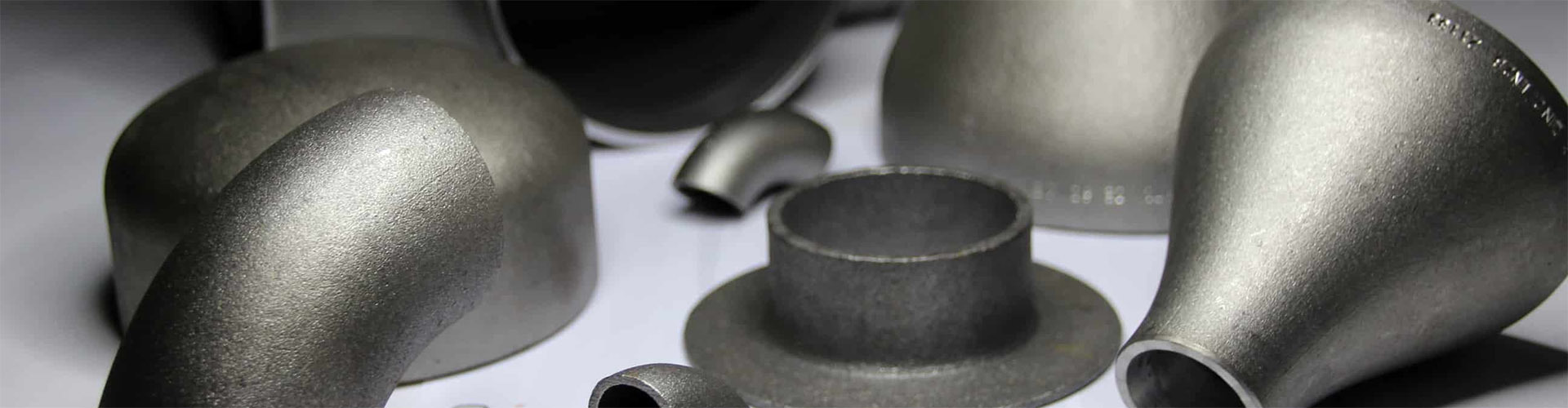
**Forged elbows** are used to change the direction of fluid flow in a piping system. They typically come in angles of 45 or 90 degrees. Elbows are integral in routes where piping cannot run in a straight line due to spatial constraints.
3.2 Forged Tees
**Forged tees** are fittings that allow for the branching of flow in a piping system. They connect three sections of pipe, facilitating the distribution of fluids to multiple lines or equipment. Tees can be classified into equal and reducing tees, depending on whether the branch size matches the run size.
3.3 Forged Couplings
**Forged couplings** are used to join two sections of pipe together. They can be either threaded or socket-welded, providing a reliable and robust connection that can withstand the rigors of oil and gas operations. Couplings are essential for extending or repairing pipelines.
3.4 Forged Caps
**Forged caps** are used to seal the end of a pipe, preventing leakage and ensuring the integrity of the pipeline. Caps are crucial in maintenance scenarios where sections of pipe need to be isolated.
3.5 Forged Unions
**Forged unions** are designed to allow for easy disconnection of two pipes for maintenance or replacement. They are essential in systems requiring frequent disassembly for inspections or repairs, providing flexibility and convenience.
4. Advantages of Using Forged Pipe Fittings in Oil and Gas
The use of forged pipe fittings in the oil and gas sector offers several advantages, including:
- **Durability and Strength**: Forged fittings possess superior strength, making them ideal for high-pressure environments. Their ability to withstand extreme conditions ensures long-lasting performance.
- **Reduced Risk of Failure**: The manufacturing process enhances the molecular structure of the material, leading to a lower likelihood of failures such as leaks or ruptures.
- **Versatility**: These fittings can be used across various applications, including offshore, onshore, and refining operations, making them a versatile choice for many projects.
- **Cost-Effectiveness**: While the initial investment may be higher than alternatives, the durability and reduced maintenance needs of forged fittings can lead to long-term cost savings.
5. The Manufacturing Process of Forged Pipe Fittings
The manufacturing of forged pipe fittings involves several key steps, including:
- **Forging**: A solid piece of metal is heated and shaped under pressure, which enhances its strength and eliminates defects.
- **Machining**: Post-forging, the fittings undergo precise machining to achieve exact dimensions and ensure compatibility with existing systems.
- **Heat Treatment**: Many fittings are heat-treated to further enhance their mechanical properties, ensuring they can withstand the demands of oil and gas applications.
- **Quality Control**: Rigorous testing and inspection processes are in place to ensure each fitting meets industry standards for safety and performance.
6. Choosing the Right Forged Pipe Fittings for Your Project
Selecting the appropriate forged pipe fittings for a project involves several considerations:
- **Material Compatibility**: Ensure that the materials of the fittings match the pipeline materials to prevent corrosion and material degradation.
- **Pressure and Temperature Ratings**: Understanding the operating conditions of the system is essential for selecting fittings that can withstand the required pressures and temperatures.
- **Regulatory Compliance**: All fittings must adhere to industry standards and regulations to ensure safety and reliability.
7. Frequently Asked Questions (FAQs)
**Q1: What are the primary materials used in forging pipe fittings?**
A1: The most common materials include carbon steel, stainless steel, and various alloy steels, chosen based on the specific requirements of the application.
**Q2: How do forged fittings differ from cast fittings?**
A2: Forged fittings are stronger and more durable due to the forging process, which improves the molecular structure of the metal, while cast fittings can be more prone to defects and breaks.
**Q3: Are forged pipe fittings suitable for high-pressure applications?**
A3: Yes, forged fittings are designed to withstand high-pressure environments, making them ideal for use in oil and gas operations.
**Q4: What is the average lifespan of forged pipe fittings?**
A4: The lifespan can vary based on operating conditions, but properly maintained forged fittings can last many years, often exceeding a decade.
**Q5: Can forged fittings be reused?**
A5: While some fittings can be reused, it is crucial to inspect them thoroughly for any signs of wear or damage before reinstallation.
8. Conclusion: The Future of Forged Pipe Fittings in the Oil and Gas Industry
The oil and gas industry continues to evolve, and with it, the demand for reliable, durable, and efficient materials is more pronounced than ever. **Forged pipe fittings** have established themselves as pivotal components within this landscape, providing the strength and reliability needed to ensure safe operations. By understanding the different types of forged fittings and their applications, industry professionals can make informed decisions that not only enhance operational efficiency but also contribute to the overall safety and integrity of their projects. As technology advances and new materials are developed, the future looks promising for forged pipe fittings in this vital sector.
Key words:
PREVIOUS:
Contact Us
E-mail:
sales@mxlpipeline.com
WeChat/Tel:
+86-13333368204
Address:
200 meters north of the intersection of Yanta Road, Yanshan , Cangzhou, Hebei Province, China 061300

Add: 200 meters north of the intersection of Yanta Road, Yanshan , Cangzhou, Hebei Province, China 061300


Contact Information
Contact: General Manager Leo
WeChat/Tel: +86-13333368204
WhatsApp: +86-13333368204
E-mail: sales@mxlpipeline.com


Request Quote
* Note: Leave your contact information to get a free product quote