
Scientific and Technological Innovation, Quality-Oriented
Steel Fittings: The Essential Components for Robust Plumbing Systems
Steel Fittings: The Essential Components for Robust Plumbing Systems In the ever-evolving realm of construction and plumbing, the choice of materials can significantly influence the durability and efficiency of systems. Among these materials, **steel fittings** stand out as the backbone of reliable plumbing solutions. They offer unmatched strength, versatility, and longevity, making them indispens
May 31,2026
Steel Fittings: The Essential Components for Robust Plumbing Systems
In the ever-evolving realm of construction and plumbing, the choice of materials can significantly influence the durability and efficiency of systems. Among these materials, **steel fittings** stand out as the backbone of reliable plumbing solutions. They offer unmatched strength, versatility, and longevity, making them indispensable in modern plumbing applications. In this article, we delve deep into the world of steel fittings, exploring their various types, benefits, installation methods, and maintenance practices.
Table of Contents
- Understanding Steel Fittings
- Types of Steel Fittings
- Advantages of Steel Fittings in Plumbing
- Installation Process of Steel Fittings
- Maintenance Tips for Steel Fittings
- Applications of Steel Fittings in Plumbing
- Environmental Impact of Steel Fittings
- Frequently Asked Questions
- Conclusion
Understanding Steel Fittings
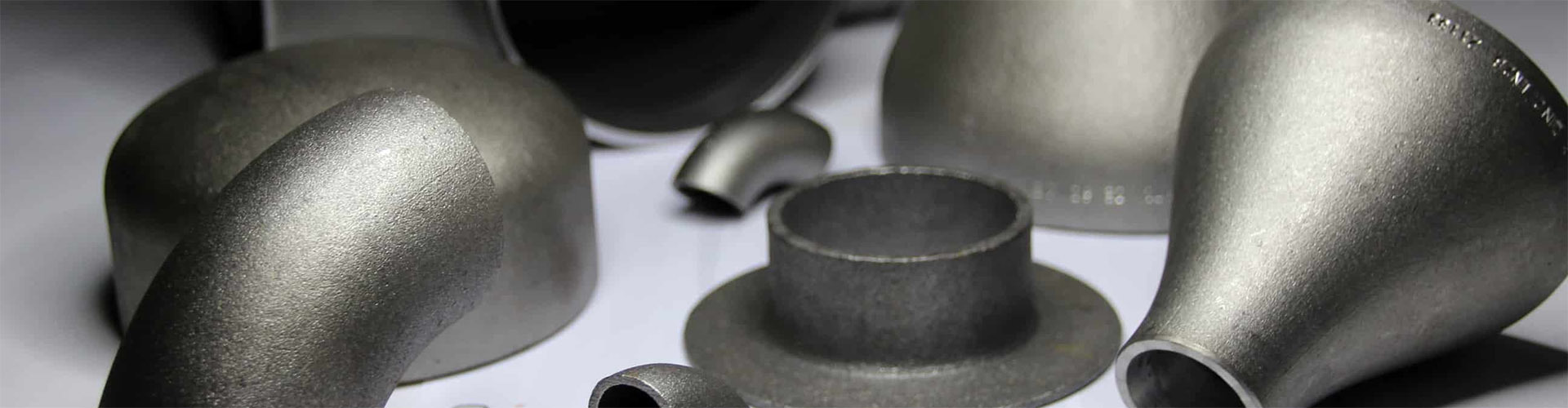
Steel fittings are specialized components used to connect pipes within a plumbing system. They come in various shapes and sizes, allowing for flexible configurations in piping systems. Typically made from carbon steel, stainless steel, or alloy steel, these fittings are designed to withstand high pressure and temperature variations, making them ideal for both residential and industrial applications.
What Are Steel Fittings Made Of?
Steel fittings are primarily crafted from the following materials:
- Carbon Steel: Known for its strength and durability, carbon steel is cost-effective and widely used in plumbing applications.
- Stainless Steel: This material offers excellent resistance to corrosion, making it perfect for environments exposed to moisture.
- Alloy Steel: Incorporating other elements enhances specific properties, such as strength and heat resistance, suitable for high-stress environments.
Types of Steel Fittings
Understanding the different types of steel fittings is crucial for selecting the right components for your plumbing system. Here are some common types:
1. Elbows
Elbows are used to change the direction of the pipe run, typically at a 90-degree or 45-degree angle. They allow for flexible routing of plumbing lines.
2. Tees
Tees enable the joining of three pipe segments, facilitating branching in the plumbing system. They are available in various sizes and configurations.
3. Couplings
Couplings connect two straight sections of pipe, providing a seamless transition in plumbing runs. They can be threaded or welded, depending on the installation method.
4. Adapters
Adapters help connect pipes of different diameters or materials, ensuring compatibility in mixed plumbing systems.
5. Unions
Unions are used for easy disconnection of pipes without losing pressure, making them ideal for maintenance and repairs.
6. Caps and Plugs
Caps and plugs are essential for closing off the ends of pipes, ensuring the integrity of the plumbing system.
Advantages of Steel Fittings in Plumbing
The use of steel fittings in plumbing systems offers numerous benefits that enhance overall performance and longevity:
1. Durability
Steel fittings are renowned for their **strength and durability**. They can withstand high pressure, temperature fluctuations, and external stresses, reducing the risk of leaks or failures.
2. Corrosion Resistance
Stainless steel fittings, in particular, provide excellent resistance to corrosion, making them suitable for use in environments where moisture is prevalent.
3. Cost-Effectiveness
While the initial investment in steel fittings may be higher than other materials, their longevity and reduced maintenance needs often make them more cost-effective in the long run.
4. Versatility
Steel fittings come in various shapes and sizes, allowing for flexibility in designing and installing plumbing systems that meet specific requirements.
5. Safety
Steel is a non-combustible material, which adds a layer of safety in plumbing systems, especially in industrial settings where fire hazards may be a concern.
Installation Process of Steel Fittings
Proper installation of steel fittings is crucial for ensuring a leak-free and efficient plumbing system. Here’s a step-by-step guide:
1. Gather Required Tools
Before starting, ensure you have the necessary tools, including pipe wrenches, a pipe cutter, joint compound, and measuring tape.
2. Measure and Cut
Measure the required length of the pipe and use a pipe cutter to make a clean cut. Ensure that the edges are smooth to allow for a better seal.
3. Prepare the Fittings
Apply joint compound to the threads of the fittings to ensure a watertight seal. Avoid over-applying, as this can lead to leaks.
4. Connect the Pieces
Screw the fittings onto the pipes, ensuring they are tight but not overly tightened, which can damage the threads.
5. Test for Leaks
Once the installation is complete, turn on the water supply and check for any leaks. Address any issues immediately to avoid further complications.
Maintenance Tips for Steel Fittings
To extend the life of steel fittings and ensure optimal performance, routine maintenance is essential. Here are some tips:
1. Regular Inspections
Conduct periodic inspections of your plumbing system to identify any signs of wear, corrosion, or leaks. Early detection can prevent costly repairs.
2. Clean the Fittings
Keep the fittings clean and free from debris. Use a soft cloth to wipe down surfaces and remove any accumulated grime.
3. Monitor Water Quality
Be aware of the water quality in your area. High mineral content or contaminants can lead to corrosion over time. Consider installing a water filtration system if necessary.
4. Check for Loose Connections
Regularly check the tightness of connections. Loose fittings can lead to leaks and should be tightened as needed.
5. Replace Damaged Fittings
If you notice any damaged fittings, such as cracks or significant corrosion, replace them immediately to maintain system integrity.
Applications of Steel Fittings in Plumbing
Steel fittings are versatile components used in various plumbing applications:
1. Residential Plumbing
Steel fittings are common in residential plumbing systems due to their strength and reliability. They are often used for water supply lines and drainage systems.
2. Industrial Plumbing
In industrial settings, steel fittings are essential for transporting water, chemicals, and gases. Their durability and resistance to corrosion make them ideal for high-stress environments.
3. HVAC Systems
Steel fittings are also used in heating, ventilation, and air conditioning (HVAC) systems, where they connect ductwork and piping.
4. Fire Protection Systems
In fire protection systems, steel fittings are critical for ensuring the integrity of water supply lines used in sprinkler systems.
Environmental Impact of Steel Fittings
When considering materials for plumbing systems, it’s essential to understand their environmental impact:
1. Recyclability
Steel is one of the most recycled materials in the world. Using steel fittings contributes to sustainability by reducing waste and conserving natural resources.
2. Energy Efficiency
Steel fittings can enhance the energy efficiency of plumbing systems by providing reliable and leak-free connections, reducing the need for repairs and replacements.
3. Safety in Water Supply
Using corrosion-resistant steel fittings ensures that no harmful substances leach into the water supply, maintaining water quality and safety.
Frequently Asked Questions
1. What are the main benefits of using steel fittings over plastic fittings?
Steel fittings offer greater durability, resistance to high pressure and temperatures, and enhanced safety compared to plastic fittings, making them a better choice for long-term plumbing solutions.
2. Can steel fittings be used for both hot and cold water systems?
Yes, steel fittings are suitable for both hot and cold water systems due to their excellent temperature resistance and durability.
3. How often should I inspect my steel fittings?
Regular inspections should be conducted at least once a year to check for any signs of wear, corrosion, or leaks, ensuring the integrity of your plumbing system.
4. Are there specific cleaning products I should use for stainless steel fittings?
It’s best to use mild soap and water for cleaning stainless steel fittings. Avoid abrasive cleaners that can scratch the surface.
5. What should I do if I find a leak in my steel fittings?
If you find a leak, turn off the water supply and tighten the fitting. If the leak persists, you may need to replace the fitting to ensure a secure connection.
Conclusion
Steel fittings are undeniably the backbone of durable plumbing solutions. Their unmatched strength, versatility, and resistance to corrosion make them ideal for a wide range of applications, from residential to industrial plumbing systems. By understanding the various types of steel fittings, their advantages, installation methods, and maintenance practices, you can ensure that your plumbing systems operate efficiently and last for years to come. Investing in steel fittings not only enhances the performance of your plumbing system but also contributes to a safer and more environmentally friendly solution for modern construction projects.
Key words:
Contact Us
E-mail:
sales@mxlpipeline.com
WeChat/Tel:
+86-13333368204
Address:
200 meters north of the intersection of Yanta Road, Yanshan , Cangzhou, Hebei Province, China 061300

Add: 200 meters north of the intersection of Yanta Road, Yanshan , Cangzhou, Hebei Province, China 061300


Contact Information
Contact: General Manager Leo
WeChat/Tel: +86-13333368204
WhatsApp: +86-13333368204
E-mail: sales@mxlpipeline.com


Request Quote
* Note: Leave your contact information to get a free product quote