
Scientific and Technological Innovation, Quality-Oriented
The Impact of Forged Pipe Fittings on Oil and Gas Project Longevity
The Impact of Forged Pipe Fittings on Oil and Gas Project Longevity Table of Contents Introduction to Forged Pipe Fittings The Importance of Durability in Oil and Gas Projects Forged Pipe Fittings vs. Cast Pipe Fittings Material Quality and Its Impact on Performance Factors Influencing Project Longevity Applications of Forged Pipe Fittings in Oil and Gas Best Practices
Jun 18,2026
The Impact of Forged Pipe Fittings on Oil and Gas Project Longevity
Table of Contents
- Introduction to Forged Pipe Fittings
- The Importance of Durability in Oil and Gas Projects
- Forged Pipe Fittings vs. Cast Pipe Fittings
- Material Quality and Its Impact on Performance
- Factors Influencing Project Longevity
- Applications of Forged Pipe Fittings in Oil and Gas
- Best Practices for Maintenance and Inspection
- The Future of Forged Pipe Fittings in the Industry
- Frequently Asked Questions (FAQs)
- Conclusion
Introduction to Forged Pipe Fittings
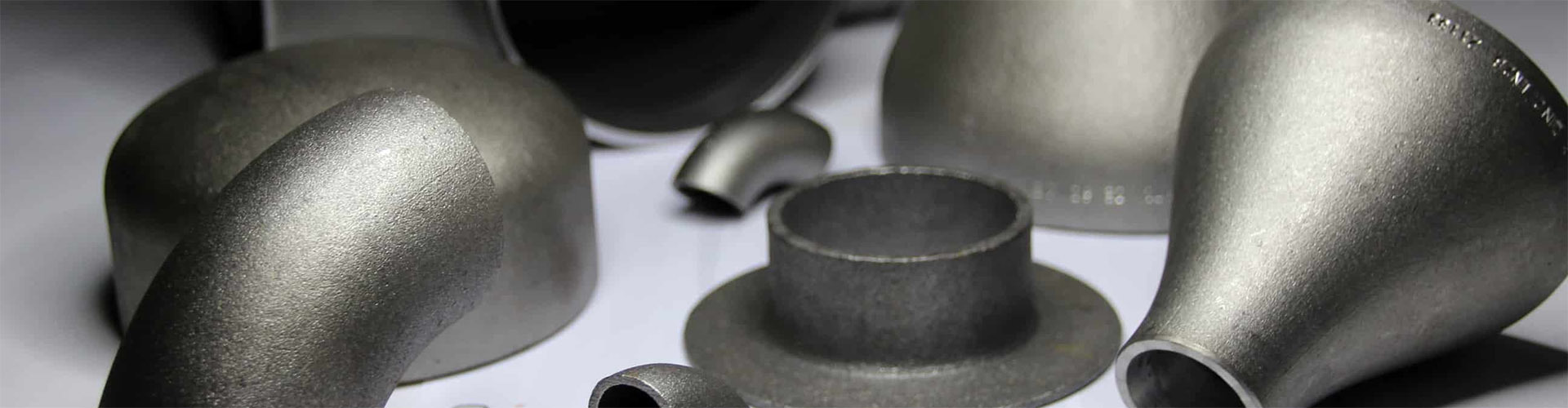
In the oil and gas industry, the integrity of piping systems is critical to operational efficiency and safety. **Forged pipe fittings** are manufactured through a process that involves shaping metal under high pressure, resulting in components that are significantly stronger than their cast counterparts. This article delves into the vital role that forged pipe fittings play in enhancing the longevity of oil and gas projects.
The Importance of Durability in Oil and Gas Projects
The **oil and gas sector** operates under extreme conditions, including high pressures and temperatures. The durability of materials used in this sector directly impacts the performance and lifespan of piping systems. Forged pipe fittings, known for their robust characteristics, ensure that projects can withstand the rigors of daily usage while minimizing the risk of catastrophic failures.
Economic Implications of Durability
Investing in high-quality forged fittings can lead to substantial cost savings over time. Reduced maintenance needs and extended lifespans of the components result in lower operational costs. Additionally, minimizing downtime due to equipment failure enhances productivity and profitability.
Forged Pipe Fittings vs. Cast Pipe Fittings
Understanding the differences between forged and cast pipe fittings is crucial for project managers and engineers.
Manufacturing Process
- **Forged Pipe Fittings**: Created through forging, these fittings undergo a process that aligns the metal grain structure, offering superior strength and durability. This method results in a denser product with fewer imperfections.
- **Cast Pipe Fittings**: Made by pouring molten metal into molds, cast fittings can have variations in strength and quality due to the cooling and solidification process.
Strength and Reliability
Forged fittings exhibit higher tensile strength, making them ideal for high-pressure applications typically found in oil and gas infrastructures. Cast fittings, while perhaps sufficient for lower-pressure applications, are more susceptible to cracking and fatigue.
Material Quality and Its Impact on Performance
The quality of materials used in forging pipe fittings cannot be overstated. High-grade steel alloys are commonly used for their strength and resistance to corrosion—two critical factors in the oil and gas sector.
Corrosion Resistance
With oil and gas often containing corrosive substances, choosing forged fittings made from corrosion-resistant materials is essential. These materials extend the lifespan of the fittings, ultimately preserving the integrity of the entire piping system.
High-Temperature Performance
Forged fittings are engineered to withstand extreme temperatures that are typical in oil and gas extraction and processing. Ensuring that fittings maintain their performance under these conditions is vital for project longevity.
Factors Influencing Project Longevity
Several factors impact the longevity of oil and gas projects, with forged pipe fittings playing a central role.
Quality Assurance in Manufacturing
Manufacturers must adhere to strict industry standards and quality assurance protocols to ensure the integrity of forged fittings. Certifications and compliance with standards such as ASTM, ASME, and API are indicators of reliability.
Environmental Factors
Projects located in harsh environments may experience accelerated wear and tear. Proper selection of forged fittings that can withstand these conditions significantly contributes to the longevity of the entire system.
Installation and Maintenance Practices
Correct installation techniques and ongoing maintenance schedules are crucial for maximizing the lifespan of forged pipe fittings. Regular inspections can identify potential issues before they lead to failures.
Applications of Forged Pipe Fittings in Oil and Gas
Forged pipe fittings are utilized in various applications within the oil and gas industry.
Upstream Applications
In exploration and production, forged fittings are used in drilling and wellhead systems, where reliability is paramount. Their strength ensures that downhole equipment can operate under extreme conditions.
Midstream Applications
In transportation and storage, forged fittings are integral to pipelines and refineries, where they maintain the integrity of the systems that transport raw materials and finished products.
Downstream Applications
In refining and distribution, the durability of forged fittings is critical to maintaining product quality and ensuring safety in processing facilities.
Best Practices for Maintenance and Inspection
To ensure the longevity of forged pipe fittings, regular maintenance and inspections are essential.
Routine Inspections
Scheduling routine inspections can help identify corrosion, wear, and other potential issues. Utilizing non-destructive testing methods such as ultrasonic testing can detect internal defects without damaging the fittings.
Proper Maintenance Protocols
Implementing a comprehensive maintenance plan that includes cleaning, lubrication, and timely replacement of worn components will significantly extend the lifespan of forged fitting systems.
The Future of Forged Pipe Fittings in the Industry
As technology advances, the manufacturing processes for forged pipe fittings will likely evolve. Innovations in material science and manufacturing techniques may further enhance the performance and reliability of these crucial components.
Emerging Trends
The future of forged pipe fittings will likely see increased use of advanced alloys and composites, which offer improved strength-to-weight ratios and corrosion resistance. Such advancements will allow for even greater longevity and performance in oil and gas applications.
Sustainability and Forged Fittings
As the industry moves towards more sustainable practices, the development of eco-friendly materials and production methods in the manufacturing of forged pipe fittings will be essential.
Frequently Asked Questions (FAQs)
What are forged pipe fittings?
Forged pipe fittings are components made by shaping metal using high pressure, resulting in a denser and stronger product compared to cast fittings.
Why are forged fittings preferred in the oil and gas industry?
Their superior strength, durability, and corrosion resistance make forged fittings ideal for the demanding conditions of the oil and gas sector.
How can I ensure the longevity of forged pipe fittings?
Regular maintenance, routine inspections, and adherence to quality standards during installation are crucial for maximizing the lifespan of forged fittings.
What materials are commonly used for forged fittings?
High-grade steel alloys are typically used for their strength and resistance to corrosion, essential in oil and gas applications.
What are the economic benefits of using forged pipe fittings?
Investing in high-quality forged fittings reduces maintenance costs and downtime, ultimately enhancing productivity and profitability in oil and gas projects.
Conclusion
In summary, forged pipe fittings are indispensable components in the oil and gas industry, significantly impacting project longevity. Their superior strength, durability, and resistance to challenging conditions make them the preferred choice for ensuring the integrity and reliability of piping systems. By investing in high-quality materials, adhering to best practices in installation and maintenance, and staying informed about advancements in the industry, companies can enhance the performance and lifespan of their oil and gas projects, ultimately leading to greater operational efficiency and profitability.
Key words:
PREVIOUS:
Contact Us
E-mail:
sales@mxlpipeline.com
WeChat/Tel:
+86-13333368204
Address:
200 meters north of the intersection of Yanta Road, Yanshan , Cangzhou, Hebei Province, China 061300

Add: 200 meters north of the intersection of Yanta Road, Yanshan , Cangzhou, Hebei Province, China 061300


Contact Information
Contact: General Manager Leo
WeChat/Tel: +86-13333368204
WhatsApp: +86-13333368204
E-mail: sales@mxlpipeline.com


Request Quote
* Note: Leave your contact information to get a free product quote