
Scientific and Technological Innovation, Quality-Oriented
Understanding Flange Connection Fittings: A Key Component in Construction and Decoration
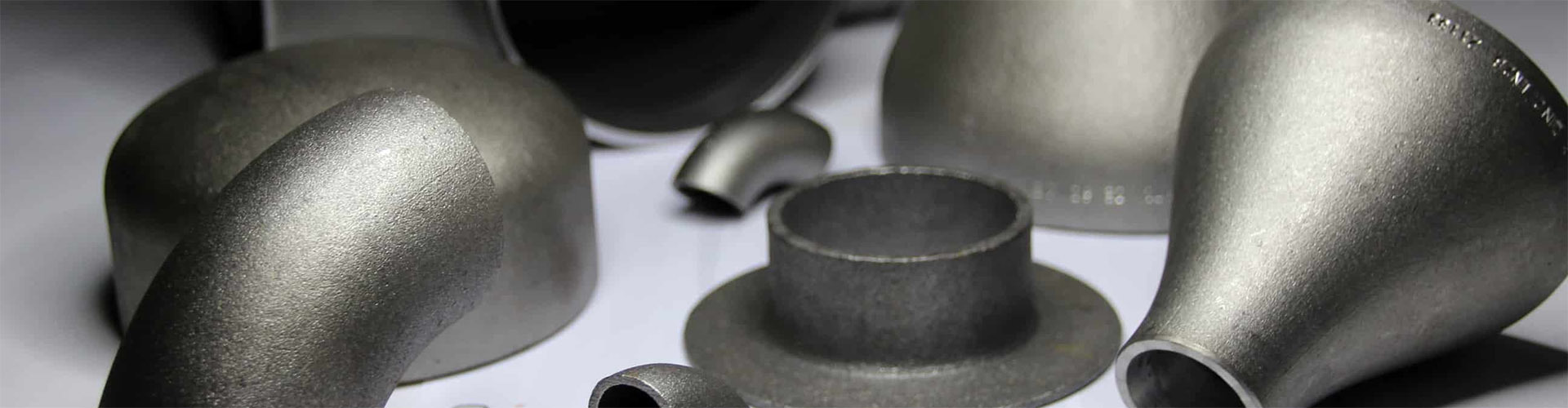
Flange connection fittings are widely used in various piping applications due to their reliability and ability to withstand high pressures and temperatures. A flange is a mechanical component that provides a connection point between two pipes, valves, or other equipment, allowing for a secure and leak-proof interface. This functionality is particularly important in construction and decoration proj
Jun 27,2026
One of the primary advantages of flange connection fittings is their ease of installation and maintenance. Unlike welded joints, flanged connections can be disassembled easily, allowing for quick access to the piping system for repairs or modifications. This flexibility can significantly reduce downtime during maintenance, making it a preferred choice for many construction professionals.
Flange connection fittings come in various materials, including stainless steel, carbon steel, and plastic, each suited to different applications and environmental conditions. For instance, stainless steel flanges are often used in corrosive environments, while carbon steel flanges provide strength in high-pressure systems. Understanding the material properties of these fittings is crucial for ensuring that they meet the specific requirements of a project.
In addition to material selection, it is essential to consider the flange type when choosing fittings for a particular application. Common types include slip-on, weld neck, and blind flanges, each serving distinct purposes. Slip-on flanges are ideal for general use, while weld neck flanges are recommended for high-pressure applications due to their ability to handle stress concentrations. Blind flanges, on the other hand, are used to close off pipelines, providing an effective solution for system modifications or maintenance.
The design of flange connection fittings is also a significant factor in their performance. Proper alignment and gasket selection are critical to prevent leaks and ensure the longevity of the connection. Professionals in the construction and decoration materials industry should pay close attention to the installation process, as improper techniques can lead to failures and potentially costly repairs.
In summary, flange connection fittings play a crucial role in the construction and decoration materials sector by providing reliable, secure connections for piping systems. Their ease of installation, variety of materials, and different types make them versatile components that can be tailored to suit a wide range of applications. For industry professionals, understanding these fittings' functionalities and best practices is essential for ensuring the success of their projects.
Key words:
PREVIOUS:
Contact Us
E-mail:
sales@mxlpipeline.com
WeChat/Tel:
+86-13333368204
Address:
200 meters north of the intersection of Yanta Road, Yanshan , Cangzhou, Hebei Province, China 061300

Add: 200 meters north of the intersection of Yanta Road, Yanshan , Cangzhou, Hebei Province, China 061300


Contact Information
Contact: General Manager Leo
WeChat/Tel: +86-13333368204
WhatsApp: +86-13333368204
E-mail: sales@mxlpipeline.com


Request Quote
* Note: Leave your contact information to get a free product quote