
Scientific and Technological Innovation, Quality-Oriented
A Comprehensive Guide to Flat Welded Flanges with Diameter Specifications
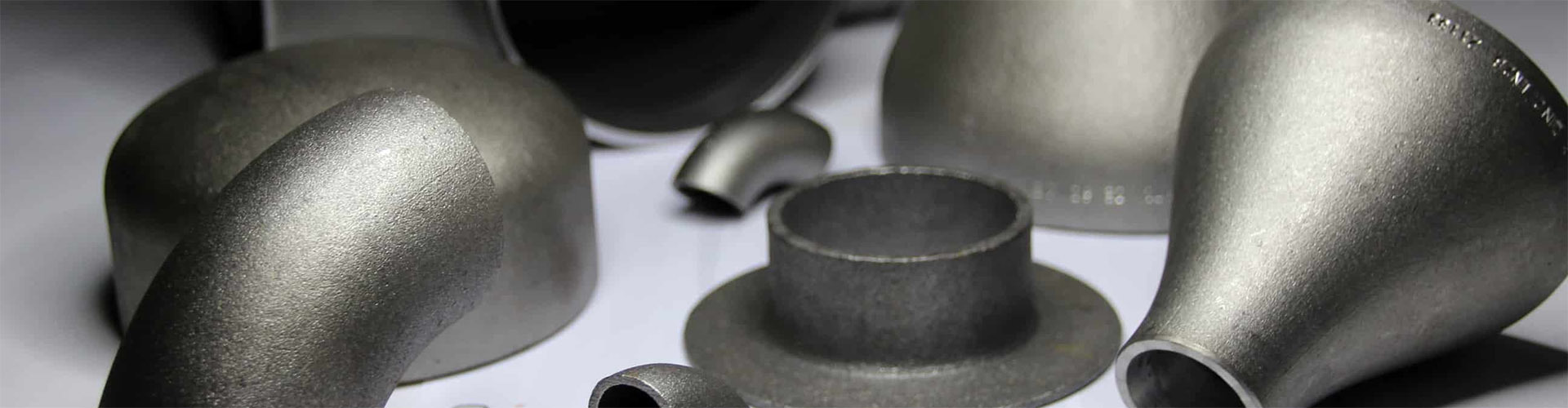
Flat welded flanges are essential components in piping systems, widely used in various applications within the construction and decorative materials sectors. These flanges are characterized by their flat surface, which allows for easy welding to pipes, fittings, or other flanges. One critical aspect of flat welded flanges is their diameter, which plays a significant role in determining their suita
Jul 03,2026
The diameter of a flat welded flange is crucial as it must match the corresponding pipe size to ensure a secure and leak-proof connection. Flanges are available in a variety of diameters, typically ranging from small sizes of ½ inch to large diameters exceeding 60 inches. When selecting a flange, it is essential to consider the nominal pipe size (NPS) that corresponds to the flange diameter. This ensures compatibility and optimal performance within the piping system.
In addition to diameter, flat welded flanges come in various pressure ratings, including standard classifications such as ANSI/ASME B16.5. These ratings reflect the flange's ability to withstand pressure, affecting the overall integrity of the system. It is crucial for professionals to consult relevant standards and specifications when determining the appropriate diameter and pressure rating for their applications.
Another important aspect to consider is the material of the flat welded flange. Common materials include carbon steel, stainless steel, and alloy steel. The choice of material influences the flange's resistance to corrosion, temperature fluctuations, and pressure variations. For instance, stainless steel flanges are preferable in environments with high exposure to moisture or corrosive substances.
When installing flat welded flanges, proper welding techniques are vital for maintaining structural integrity. The welding process should be performed by qualified professionals who understand the specific requirements of the materials involved. Additionally, post-weld inspections are recommended to ensure that the connections are sound and free of defects.
In summary, the diameter of flat welded flanges is a critical consideration in the construction and decorative materials industry. Selecting the appropriate diameter, pressure rating, and material type is essential for creating reliable piping systems. Professionals should adhere to industry standards and best practices to ensure the successful implementation of flat welded flanges in their projects. This attention to detail will ultimately contribute to the longevity and safety of the overall piping system.
Key words:
PREVIOUS:
Contact Us
E-mail:
sales@mxlpipeline.com
WeChat/Tel:
+86-13333368204
Address:
200 meters north of the intersection of Yanta Road, Yanshan , Cangzhou, Hebei Province, China 061300

Add: 200 meters north of the intersection of Yanta Road, Yanshan , Cangzhou, Hebei Province, China 061300


Contact Information
Contact: General Manager Leo
WeChat/Tel: +86-13333368204
WhatsApp: +86-13333368204
E-mail: sales@mxlpipeline.com


Request Quote
* Note: Leave your contact information to get a free product quote