
Scientific and Technological Innovation, Quality-Oriented
Cost-Effective Solutions: Forged Pipe Fittings for the Oil and Gas Industry
Understanding Forged Pipe Fittings in the Oil and Gas Industry The oil and gas industry is characterized by its demanding requirements for safety, reliability, and efficiency. Forged pipe fittings have emerged as a **cost-effective solution**, enhancing the performance of pipelines and ensuring they meet stringent industry standards. This article delves into the world of forged pipe fittings, high
Jul 12,2026
Understanding Forged Pipe Fittings in the Oil and Gas Industry
The oil and gas industry is characterized by its demanding requirements for safety, reliability, and efficiency. Forged pipe fittings have emerged as a **cost-effective solution**, enhancing the performance of pipelines and ensuring they meet stringent industry standards. This article delves into the world of forged pipe fittings, highlighting their benefits, applications, and why they are the preferred choice for many businesses in the sector.
What Are Forged Pipe Fittings?
Forged pipe fittings are components made through the forging process, where metal is shaped by applying compressive forces. Unlike cast fittings, which are poured into molds, forged fittings are created from solid metal, resulting in stronger, more durable products. This manufacturing process ensures that forged fittings can withstand high pressures and temperatures, making them ideal for critical applications in the oil and gas industry.
The Manufacturing Process of Forged Pipe Fittings
The production of forged pipe fittings involves several key steps, ensuring the final product meets the rigorous demands of the industry:
1. **Material Selection**: High-quality alloy steels or stainless steels are typically chosen for their strength and corrosion resistance.
2. **Heating**: The selected metal is heated to a specific temperature, making it malleable for shaping.
3. **Forging**: The heated metal is then shaped using hammers or presses, which impart the desired dimensions and mechanical properties.
4. **Machining**: Post-forging, the fittings undergo machining to achieve precise dimensions and surface finishes.
5. **Testing and Quality Control**: Each batch of fittings is rigorously tested for quality assurance, including pressure tests and metallurgical analysis.
This meticulous manufacturing process results in fittings that not only meet but often exceed industry standards.
Why Choose Forged Pipe Fittings?
Forged pipe fittings offer a multitude of advantages that make them a prime choice for the oil and gas industry:
1. Strength and Durability
One of the most compelling reasons to opt for forged fittings is their **superior strength**. The forging process aligns the grain structure of the metal, resulting in enhanced toughness and resistance to cracking. This is crucial in environments where fittings are subjected to extreme pressures and temperatures.
2. Cost-Effectiveness
While the initial cost of forged fittings may be slightly higher compared to cast fittings, their longevity and reliability lead to significant cost savings in the long run. Reduced maintenance needs and longer replacement cycles contribute to lower operational costs.
3. Versatility in Applications
Forged pipe fittings can be utilized across various applications within the oil and gas sector, including:
- **Pipeline construction**: Essential for connecting pipes and ensuring leak-proof systems.
- **Refineries**: Used in various processes that involve high pressure and temperature.
- **Offshore platforms**: Critical for ensuring safety and reliability in challenging environments.
4. Resistance to Corrosion
Many forged fittings are treated or coated to enhance their **corrosion resistance**, making them suitable for hostile environments. This feature is particularly important in the oil and gas industry, where exposure to aggressive chemicals can lead to rapid deterioration of materials.
Types of Forged Pipe Fittings
Understanding the different types of forged pipe fittings can help in selecting the right components for specific applications. Here are some common types:
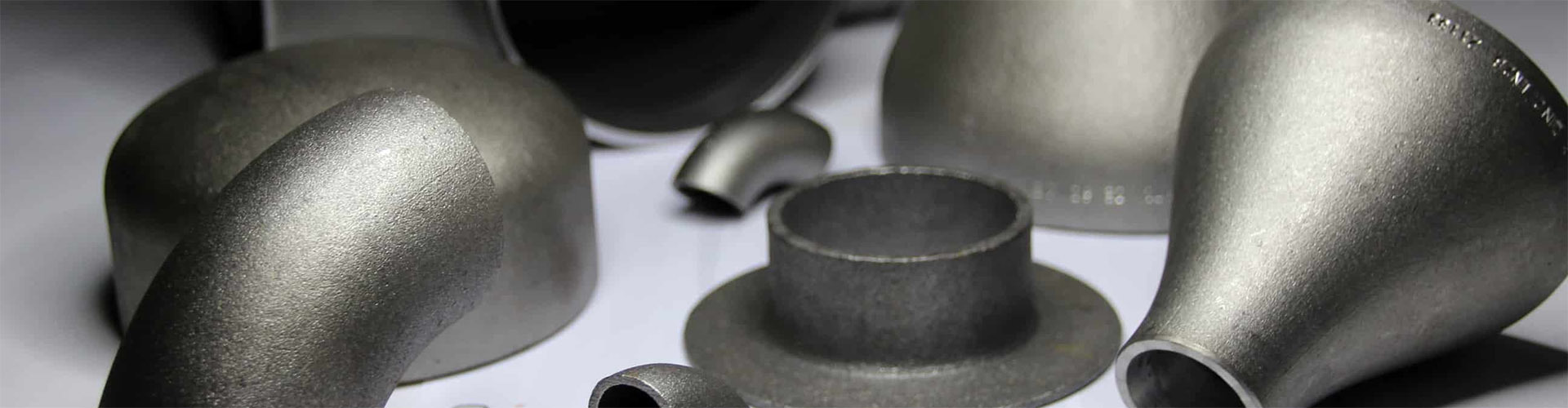
1. Elbows
Elbows are used to change the direction of the piping system. They are typically available in various angles, including 45° and 90° options, allowing for flexibility in design.
2. Tees
Tees are crucial for connecting three pipes, facilitating the branching of fluid flow. They come in equal and reducing types to accommodate different pipe sizes.
3. Couplings
Couplings are designed to connect two pipes of the same diameter, ensuring a tight seal and maintaining the integrity of the pipeline.
4. Flanges
Flanges are used to join pipes, valves, and other components, providing a reliable and leak-proof connection. They can be welded or bolted, depending on the application.
5. Caps
Caps are used to seal the ends of pipes, preventing the flow of fluids and protecting the internal surfaces from contamination.
The Role of Forged Pipe Fittings in Safety and Compliance
Safety is paramount in the oil and gas industry. Forged pipe fittings contribute significantly to maintaining the integrity of systems, reducing the risk of leaks and failures. Compliance with industry standards and regulations is critical for operational success.
1. Meeting Industry Standards
Forged fittings are manufactured in accordance with various industry standards such as ASME, ANSI, and ASTM. This compliance not only assures quality but also reduces liability risks for companies.
2. Enhancing Safety Protocols
Implementing forged fittings in pipeline systems enhances safety protocols by minimizing the likelihood of catastrophic failures. Regular inspections and adherence to quality standards ensure that these fittings perform optimally throughout their service life.
Innovations in Forged Pipe Fittings
The landscape of forged pipe fittings continues to evolve, driven by technological advancements and the need for more efficient solutions.
1. Advanced Materials
Research into high-performance alloys and composite materials is paving the way for even more robust fittings that can withstand extreme conditions. These materials promise enhanced durability and resistance to wear and corrosion.
2. Automated Manufacturing
The integration of automation in the manufacturing process increases production efficiency while maintaining quality. Automated systems are capable of executing precise machining operations, resulting in tighter tolerances and improved product consistency.
3. Digital Monitoring
The use of IoT (Internet of Things) technology in monitoring pipeline conditions represents a significant innovation. Smart fittings equipped with sensors can provide real-time data on pressure, temperature, and potential leaks, allowing for proactive maintenance.
Cost-Benefit Analysis of Using Forged Pipe Fittings
When considering the adoption of forged pipe fittings, a thorough cost-benefit analysis is essential.
1. Initial Investment vs. Long-Term Savings
Although the initial investment in forged fittings may be higher, the long-term savings in maintenance, downtime, and replacement costs often outweigh the initial expense.
2. Impact on Operational Efficiency
The enhanced durability and reliability of forged fittings lead to improved operational efficiency. Reduced downtime and fewer maintenance interventions translate into higher productivity and profitability.
FAQs About Forged Pipe Fittings
1. What materials are commonly used for forged pipe fittings?
Common materials include carbon steel, stainless steel, and alloy steels, chosen for their strength and resistance to corrosion.
2. How do forged fittings compare to cast fittings?
Forged fittings are generally stronger and more reliable than cast fittings due to their manufacturing process, which enhances the grain structure of the metal.
3. Are forged pipe fittings suitable for high-pressure applications?
Yes, forged pipe fittings are designed to withstand high pressures and temperatures, making them ideal for critical applications in the oil and gas industry.
4. What are the benefits of using forged fittings in pipelines?
Benefits include superior strength, cost-effectiveness, versatility, and resistance to corrosion, all of which contribute to enhanced safety and operational efficiency.
5. How can I ensure the quality of forged pipe fittings?
Choosing fittings from reputable manufacturers that comply with industry standards, coupled with rigorous quality testing, ensures that the fittings are reliable and safe.
Conclusion
Forged pipe fittings play a vital role in the oil and gas industry, offering a **cost-effective solution** that meets the demands of safety, reliability, and efficiency. Their strength, durability, and versatility make them an essential component of pipeline infrastructure. As technology continues to advance, forged fittings will adapt and improve, paving the way for more efficient operations and enhanced safety protocols. By investing in forged pipe fittings, companies can ensure their systems remain robust, compliant, and ready to meet the challenges of the modern oil and gas sector.
Key words:
PREVIOUS:
Contact Us
E-mail:
sales@mxlpipeline.com
WeChat/Tel:
+86-13333368204
Address:
200 meters north of the intersection of Yanta Road, Yanshan , Cangzhou, Hebei Province, China 061300

Add: 200 meters north of the intersection of Yanta Road, Yanshan , Cangzhou, Hebei Province, China 061300


Contact Information
Contact: General Manager Leo
WeChat/Tel: +86-13333368204
WhatsApp: +86-13333368204
E-mail: sales@mxlpipeline.com


Request Quote
* Note: Leave your contact information to get a free product quote