
Scientific and Technological Innovation, Quality-Oriented
Understanding High Pressure Forged Pipe Fittings: A Key Component in Building and Construction
High pressure forged pipe fittings are crucial components in various piping systems, particularly in building and construction applications. These fittings are manufactured through a forging process that involves shaping metal under high pressure, resulting in products with enhanced strength and durability. Understanding the properties and applications of these fittings can help industry professio
Jul 15,2026
One of the primary advantages of high pressure forged pipe fittings is their ability to withstand extreme conditions. These fittings are designed to endure high temperatures and pressures, making them suitable for demanding applications such as oil and gas, chemical processing, and power generation. Their robust construction ensures a reliable connection in piping systems, reducing the risk of leaks and failures, which can lead to costly downtime and safety hazards.
In addition to their strength, high pressure forged pipe fittings are often resistant to corrosion and wear. This makes them ideal for use in environments where exposure to harsh substances is common. For example, in the chemical industry, these fittings can handle corrosive fluids without compromising their integrity. This resistance not only extends the lifespan of the fittings but also minimizes maintenance costs and enhances overall system reliability.
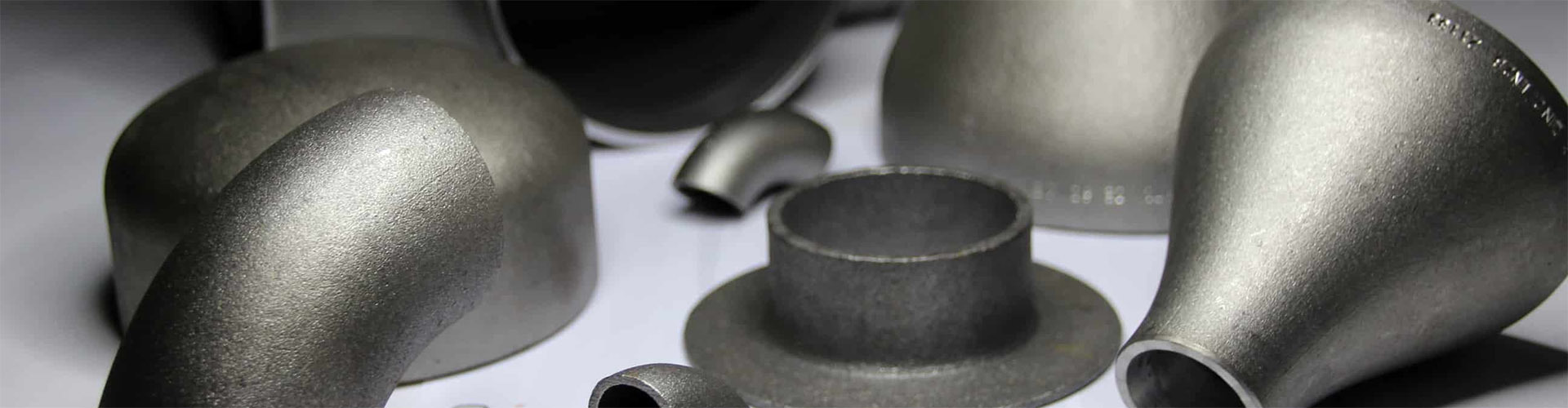
Another significant aspect of high pressure forged pipe fittings is their versatility. They come in various shapes and sizes, including elbows, tees, and couplings, allowing for flexible design configurations in piping systems. This adaptability is essential in construction projects where space constraints and specific design requirements must be considered. The ability to customize fittings based on project needs can lead to more efficient installations and optimized system performance.
The installation of high pressure forged pipe fittings requires skilled labor and adherence to industry standards. Proper installation techniques are vital to ensuring the longevity and functionality of the fittings. Construction professionals must be aware of the recommended practices for joining these fittings to the piping system, such as welding, threading, or using mechanical couplings. Understanding these methods can improve the overall efficiency of the installation process and contribute to the success of the project.
In conclusion, high pressure forged pipe fittings are indispensable in the construction and decoration materials industry. Their strength, corrosion resistance, and versatility make them an ideal choice for various applications. By understanding the properties and installation techniques of these fittings, professionals can enhance the reliability and efficiency of their piping systems, contributing to safer and more sustainable construction practices. Whether you’re working on a small renovation or a large-scale infrastructure project, considering high pressure forged pipe fittings can lead to significant long-term benefits.
Key words:
PREVIOUS:
Contact Us
E-mail:
sales@mxlpipeline.com
WeChat/Tel:
+86-13333368204
Address:
200 meters north of the intersection of Yanta Road, Yanshan , Cangzhou, Hebei Province, China 061300

Add: 200 meters north of the intersection of Yanta Road, Yanshan , Cangzhou, Hebei Province, China 061300


Contact Information
Contact: General Manager Leo
WeChat/Tel: +86-13333368204
WhatsApp: +86-13333368204
E-mail: sales@mxlpipeline.com


Request Quote
* Note: Leave your contact information to get a free product quote