
Scientific and Technological Innovation, Quality-Oriented
The Environmental Benefits of Using Forged Pipe Fittings in Oil and Gas
The Environmental Benefits of Using Forged Pipe Fittings in Oil and Gas Introduction The oil and gas industry plays a pivotal role in meeting global energy demands. However, it also faces mounting pressure to minimize its environmental footprint. Among the many components that contribute to efficient operations, **forged pipe fittings** stand out as crucial elements. Not only do they enhance the p
Oct 16,2026
The Environmental Benefits of Using Forged Pipe Fittings in Oil and Gas
Introduction
The oil and gas industry plays a pivotal role in meeting global energy demands. However, it also faces mounting pressure to minimize its environmental footprint. Among the many components that contribute to efficient operations, **forged pipe fittings** stand out as crucial elements. Not only do they enhance the performance of piping systems, but they also offer significant **environmental benefits** that can lead to a more sustainable industry.
In this article, we will delve into the various aspects of forged pipe fittings, emphasizing their environmental advantages, applications, and the overall impact they have on the oil and gas sector.
What are Forged Pipe Fittings?
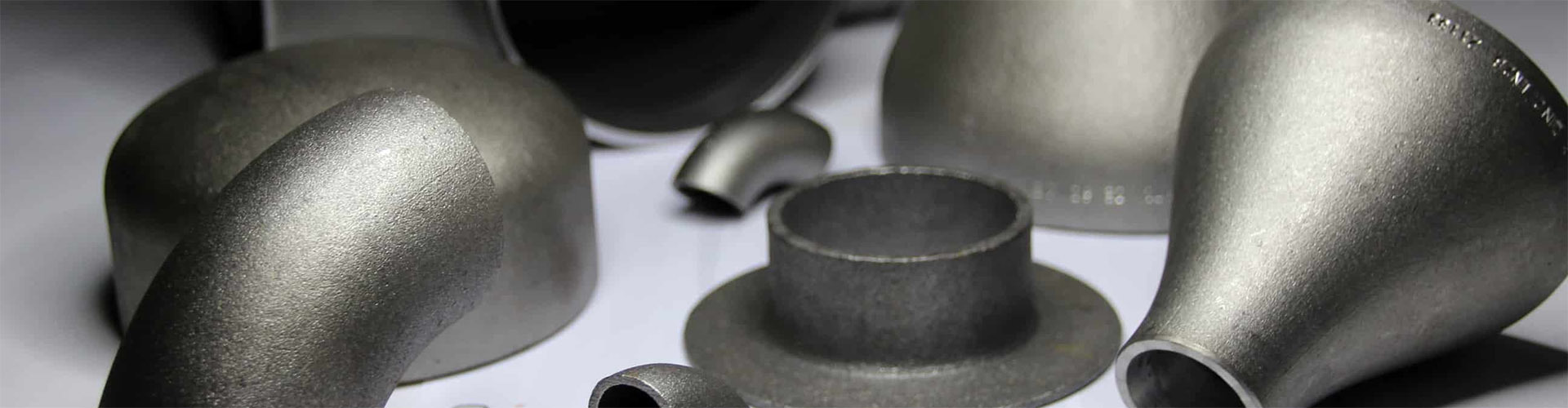
Forged pipe fittings are components made from metal that are produced through a forging process. This method involves shaping metal using localized compressive forces, resulting in fittings that are exceptionally strong and durable. Common types of forged fittings include:
- Elbows
- Tees
- Couplings
- Reducers
These fittings are utilized in various applications, primarily for connecting pipes, controlling flow, and ensuring the integrity of piping systems.
The Manufacturing Process of Forged Pipe Fittings
The production of forged pipe fittings involves several steps:
1. **Material Selection**: High-quality steel is chosen for its strength and resistance to corrosion. This is crucial in ensuring the longevity of the fittings.
2. **Heating**: The metal is heated to a pliable temperature, making it easier to shape.
3. **Forging**: The heated metal is then forged into the desired shape using hydraulic presses or hammers.
4. **Machining**: Post-forging, the fittings are machined to meet precise specifications.
5. **Finishing**: Finally, fittings undergo surface treatments, such as galvanization, to enhance durability and corrosion resistance.
This comprehensive manufacturing process is essential for producing fittings that can withstand harsh environmental conditions, making them ideal for oil and gas applications.
Environmental Advantages of Forged Pipe Fittings
1. Durability and Longevity
Forged pipe fittings are renowned for their **durability**. Their robust construction allows them to resist wear and tear, leading to fewer replacements over time. This longevity translates to less waste and reduced resource consumption, as fewer fittings need to be manufactured and disposed of.
2. Reduced Risk of Leaks
Leakage in oil and gas operations can have catastrophic environmental consequences. Forged fittings, due to their superior strength and integrity, significantly reduce the likelihood of leaks. This not only protects ecosystems but also conserves valuable resources that would otherwise be lost.
3. Enhanced Energy Efficiency
The efficient flow of fluids through well-made forged fittings minimizes energy consumption in pumping and processing systems. By reducing friction losses, these fittings contribute to lower energy requirements, which translates to reduced greenhouse gas emissions.
4. Corrosion Resistance
Many forged fittings are designed with corrosion-resistant materials or coatings, extending their lifespan and reducing maintenance needs. Corrosion can lead to system failures, requiring more frequent replacements and repairs, all of which have adverse environmental impacts.
5. Recyclability
At the end of their life cycle, forged pipe fittings can be recycled. The ability to reclaim materials means that fewer resources are extracted from the earth, reducing the overall environmental burden associated with manufacturing new products.
Applications of Forged Pipe Fittings in Oil and Gas
1. Pipeline Systems
Forged fittings are integral to pipeline systems, ensuring secure and efficient connections between various sections. Their strength is crucial in high-pressure environments, typical in oil and gas transportation.
2. Offshore Installations
In offshore oil and gas extraction, conditions are often harsh and challenging. Forged pipe fittings can withstand the corrosive marine environment, ensuring the reliability of the entire system.
3. Refineries and Processing Plants
Forged fittings are used in refineries to manage the flow of hydrocarbons and other chemicals. Their durability and efficiency play a vital role in maintaining operational integrity while minimizing environmental risks.
Best Practices for Implementing Forged Pipe Fittings
1. Selecting Quality Products
When choosing forged pipe fittings, it is essential to source them from reputable manufacturers known for their commitment to quality. High-quality fittings will offer better performance and durability.
2. Regular Inspections and Maintenance
Conducting regular inspections of piping systems that use forged fittings can identify potential issues before they become serious problems. Proactive maintenance extends the life of the fittings and enhances their environmental benefits.
3. Training and Education
Investing in training for personnel involved in the installation and maintenance of forged fittings can lead to improved practices. Knowledgeable staff can better manage systems, reducing the risk of leaks and other environmental hazards.
Challenges and Considerations
1. Initial Cost
While forged fittings may have a higher upfront cost compared to other types, their long-term benefits, including durability and reduced maintenance, often outweigh this initial investment.
2. Availability of Materials
The sourcing of high-quality materials for forged fittings can sometimes pose challenges. Ensuring a steady supply of these materials is essential for maintaining production schedules in the oil and gas sector.
3. Environmental Regulations
Compliance with increasingly stringent environmental regulations can be challenging. However, adopting forged pipe fittings can help companies meet these regulations more effectively due to their sustainability advantages.
FAQs about Forged Pipe Fittings and Their Environmental Benefits
1. What are the primary advantages of using forged pipe fittings over other types?
Forged pipe fittings offer enhanced strength, durability, reduced risk of leaks, and greater energy efficiency compared to other types, making them ideal for challenging oil and gas applications.
2. How do forged pipe fittings contribute to sustainability in the oil and gas industry?
By reducing the risk of leaks, extending the life of components, and being recyclable, forged pipe fittings help minimize environmental impacts and promote sustainability in operations.
3. Are there specific regulations regarding the use of forged fittings in the oil and gas sector?
Yes, various environmental regulations govern the use of materials in oil and gas operations. Forged fittings can help companies comply with these regulations due to their enhanced performance and reduced environmental risks.
4. Can forged pipe fittings be used in high-pressure applications?
Absolutely. Forged pipe fittings are specifically designed for high-pressure applications, making them suitable for use in oil and gas pipelines and processing facilities.
5. What should companies consider when sourcing forged pipe fittings?
Companies should prioritize quality, material specifications, supplier reputation, and compliance with industry standards when sourcing forged pipe fittings to ensure they meet operational and environmental requirements.
Conclusion
The adoption of forged pipe fittings in the oil and gas industry presents numerous **environmental benefits** that can significantly enhance sustainability efforts. From their durability and efficiency to their ability to reduce leaks and energy consumption, these fittings play a crucial role in minimizing the industry's ecological footprint.
By investing in high-quality forged fittings and implementing best practices in their use, companies can not only improve operational efficiency but also contribute to a more sustainable future for the oil and gas sector. Embracing these advancements is not just a responsible choice; it is an essential step toward harmonizing energy needs with environmental stewardship.
Key words:
PREVIOUS:
Contact Us
E-mail:
sales@mxlpipeline.com
WeChat/Tel:
+86-13333368204
Address:
200 meters north of the intersection of Yanta Road, Yanshan , Cangzhou, Hebei Province, China 061300

Add: 200 meters north of the intersection of Yanta Road, Yanshan , Cangzhou, Hebei Province, China 061300


Contact Information
Contact: General Manager Leo
WeChat/Tel: +86-13333368204
WhatsApp: +86-13333368204
E-mail: sales@mxlpipeline.com


Request Quote
* Note: Leave your contact information to get a free product quote