
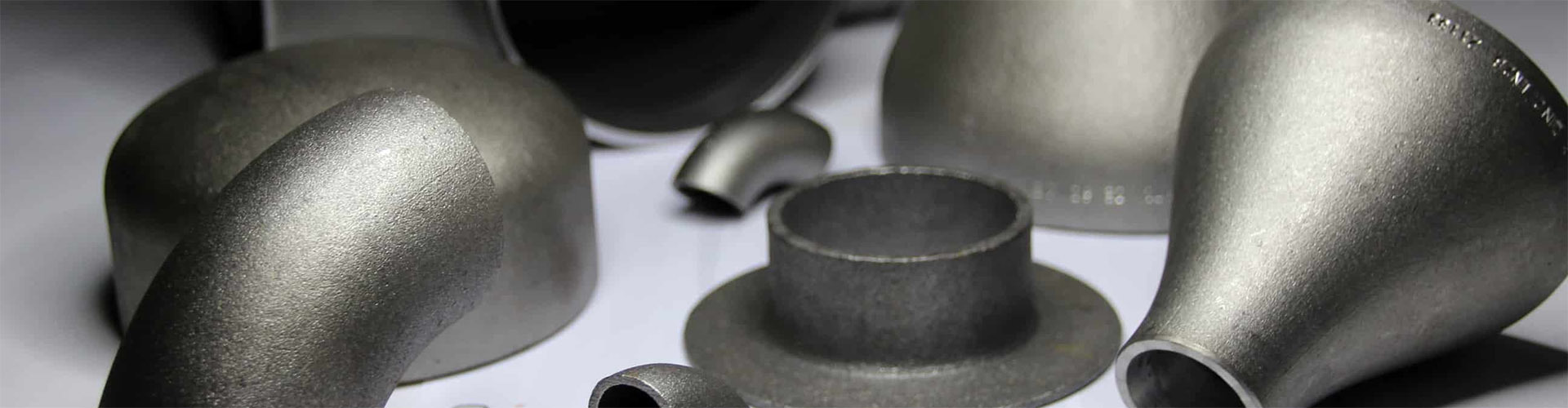
Scientific and Technological Innovation, Quality-Oriented
Concentric Reducer Demand Grows as Industrial Piping Systems Expand Worldwide
Advanced concentric reducer company produces precision reducer fitting for industrial pipeline connection and fluid control
Mar 16,2026
The global industrial piping sector continues to evolve as infrastructure development, energy projects, and manufacturing activities expand across many regions. Among the essential components used in these systems, the concentric reducer plays a critical role in connecting pipelines of different diameters while maintaining smooth and efficient fluid flow. As industries focus on safety, efficiency, and reliability in piping systems, the demand for high quality concentric reducer products continues to increase.
A concentric reducer is a pipe fitting designed to connect two pipes with different diameters while keeping the centerline of both pipes aligned. The symmetrical design allows fluids such as water, oil, gas, or chemicals to flow smoothly through the pipeline without creating excessive turbulence or pressure loss. Because of this balanced structure, the concentric reducer is commonly used in vertical pipeline systems or applications where uniform flow conditions are required.
Industrial sectors such as oil and gas, petrochemical processing, power generation, water treatment, and chemical manufacturing rely heavily on reliable piping components. Within these systems, the concentric reducer helps engineers manage changes in pipe size without compromising structural integrity or flow efficiency. By providing a gradual transition between pipe diameters, the fitting reduces stress on the pipeline and helps maintain stable operating conditions.
Manufacturers around the world produce concentric reducer fittings using various materials depending on the application environment. Common materials include carbon steel, stainless steel, alloy steel, and sometimes specialized corrosion resistant metals. Carbon steel concentric reducers are widely used in general industrial pipelines due to their strength and cost efficiency. Stainless steel versions are often selected for applications involving high corrosion resistance requirements, such as food processing plants, chemical facilities, and marine environments.
The manufacturing process for a concentric reducer involves precise forming and machining operations to achieve accurate dimensions and reliable structural performance. Typical production methods include hot forming, cold forming, welding, and machining processes. Strict quality control procedures are applied during production to ensure that the finished product meets industry standards and specifications.
International standards play an important role in the global trade of piping components. Concentric reducer products are commonly manufactured according to standards such as ASME, ANSI, DIN, and other industrial specifications. Compliance with these standards ensures compatibility with existing piping systems and guarantees reliable performance in demanding operating environments.
As infrastructure investment increases in many countries, demand for pipeline systems continues to grow. Oil and gas transportation networks, municipal water supply systems, and large scale industrial facilities all require durable and efficient piping components. The concentric reducer remains a key fitting in these projects because it provides a reliable solution for connecting pipes of different sizes.
In addition to traditional energy and industrial sectors, the concentric reducer is also widely used in renewable energy projects. For example, geothermal power plants and biomass processing facilities often require complex piping systems to transport fluids under controlled pressure and temperature conditions. In these systems, properly designed reducers help maintain consistent flow and protect equipment from pressure fluctuations.
Engineering companies and pipeline designers increasingly focus on optimizing system performance through careful component selection. Choosing the correct type of reducer is essential to maintaining flow stability and reducing operational risks. In vertical pipelines, concentric reducers are typically preferred because they maintain the central alignment of the pipe, which helps avoid air accumulation or flow disturbances.
Technological advancements in metal forming and welding techniques have also improved the overall quality and durability of concentric reducer products. Modern production equipment allows manufacturers to produce fittings with precise wall thickness control and improved mechanical strength. These improvements contribute to longer service life and lower maintenance costs for industrial piping systems.
Environmental considerations are also influencing the design and production of pipeline components. Many industries are adopting stricter environmental and safety standards to reduce leakage risks and improve system reliability. High quality concentric reducer fittings help ensure secure connections and reduce the possibility of fluid loss in industrial operations.
Global trade and supply chains have made it easier for engineering companies to source piping components from specialized manufacturers. Many suppliers now offer customized concentric reducer solutions tailored to specific project requirements. These custom fittings may include special dimensions, material grades, or surface treatments designed for unique operating environments.
Looking ahead, industry experts expect continued growth in the piping component market as energy infrastructure, water management systems, and industrial processing facilities expand. The concentric reducer will remain an essential element of modern pipeline engineering due to its simple design, reliable performance, and ability to support efficient fluid transportation.
As industrial development continues worldwide, the importance of high quality pipeline fittings becomes increasingly clear. Among these components, the concentric reducer stands out as a practical and reliable solution for connecting pipelines of different sizes while maintaining stable and efficient flow conditions.
Key words:
Contact Us
E-mail:
sales@mxlpipeline.com
WeChat/Tel:
+86-13333368204
Address:
200 meters north of the intersection of Yanta Road, Yanshan , Cangzhou, Hebei Province, China 061300

Add: 200 meters north of the intersection of Yanta Road, Yanshan , Cangzhou, Hebei Province, China 061300


Contact Information
Contact: General Manager Leo
WeChat/Tel: +86-13333368204
WhatsApp: +86-13333368204
E-mail: sales@mxlpipeline.com


Request Quote
* Note: Leave your contact information to get a free product quote