
Scientific and Technological Innovation, Quality-Oriented
Understanding High Pressure Forged Pipe Fittings: Essential Insights for Construction and Decoration
High pressure forged pipe fittings are critical components in various industrial applications, especially in the construction and decoration materials sector. These fittings are designed to withstand extreme pressures, making them essential for systems that require reliability and durability. Made from high-quality materials through a forging process, they offer superior strength and resilience co
Mar 15,2026
One of the primary advantages of high pressure forged pipe fittings is their ability to handle high-stress conditions without compromising structural integrity. This is particularly important in environments such as oil and gas, chemical processing, and water supply systems where leaks or failures can lead to catastrophic results. The forging process enhances the molecular structure of the material, resulting in fittings that are not only stronger but also more resistant to corrosion.
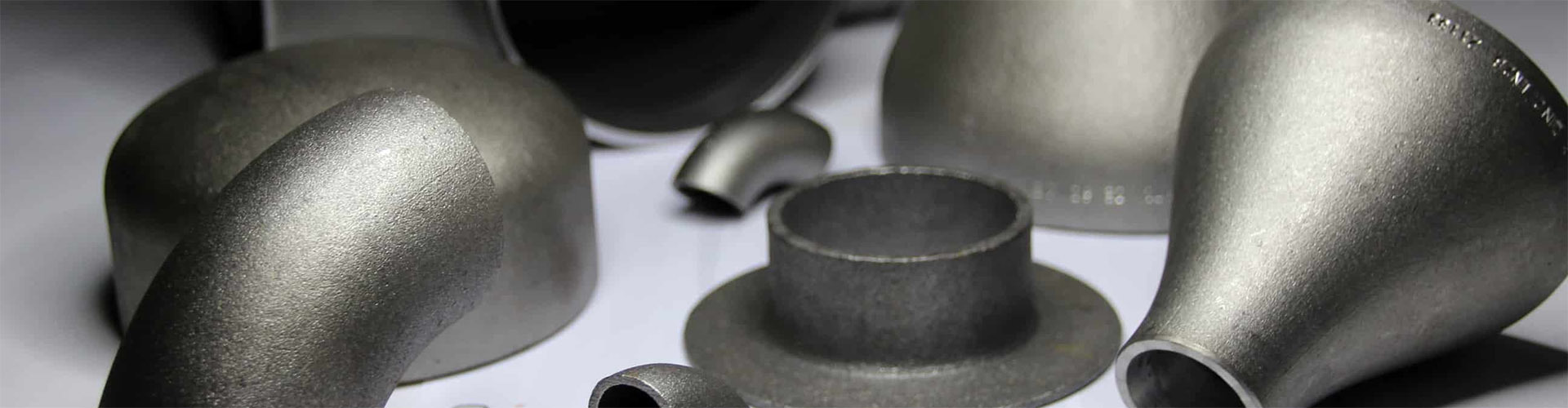
In the construction industry, high pressure forged pipe fittings are commonly used for joining pipes in plumbing systems, HVAC installations, and fire protection systems. These fittings come in various shapes and sizes, including elbows, tees, reducers, and flanges, allowing for versatile configurations to meet specific project needs. Their robust nature ensures that they can endure the demands of high-pressure applications while maintaining a secure connection between pipes.
When selecting high pressure forged pipe fittings for a project, several factors should be considered. The material composition is crucial; commonly used materials include stainless steel, carbon steel, and alloy steel. Each material has its own set of properties that make it suitable for different applications. For instance, stainless steel is preferred in corrosive environments, while carbon steel is often used for general-purpose applications.
Another essential consideration is the fitting's pressure rating. It is imperative to choose fittings that can handle the maximum pressure of the system they will be integrated into. This ensures that the fittings maintain their functionality and safety over time. Additionally, understanding the temperature range of the application is crucial, as it affects the selection of materials and fitting types.
Installation practices also play a significant role in the performance of high pressure forged pipe fittings. Proper installation techniques, including correct alignment and torque specifications, are essential to prevent leaks and failures. It is advisable to work with experienced professionals who understand the complexities of high-pressure systems to ensure optimal performance.
In conclusion, high pressure forged pipe fittings are indispensable in the construction and decoration materials industry due to their strength, durability, and reliability. By understanding their properties and applications, professionals can make informed decisions that enhance the safety and efficiency of their projects. Whether for plumbing, HVAC, or industrial applications, investing in high-quality forged fittings can greatly contribute to the success of any construction endeavor.
Key words:
Contact Us
E-mail:
sales@mxlpipeline.com
WeChat/Tel:
+86-13333368204
Address:
200 meters north of the intersection of Yanta Road, Yanshan , Cangzhou, Hebei Province, China 061300

Add: 200 meters north of the intersection of Yanta Road, Yanshan , Cangzhou, Hebei Province, China 061300


Contact Information
Contact: General Manager Leo
WeChat/Tel: +86-13333368204
WhatsApp: +86-13333368204
E-mail: sales@mxlpipeline.com


Request Quote
* Note: Leave your contact information to get a free product quote