
Scientific and Technological Innovation, Quality-Oriented
Innovative Uses for Steel Pipe and Fittings in Modern Architecture
Innovative Uses for Steel Pipe and Fittings in Modern Architecture In the realm of modern architecture, the materials we choose play a pivotal role in the overall design and functionality of structures. One material that has gained prominence for its adaptability and strength is steel, particularly steel pipes and fittings. These components are no longer limited to their traditional applications i
Dec 02,2025
Innovative Uses for Steel Pipe and Fittings in Modern Architecture
In the realm of modern architecture, the materials we choose play a pivotal role in the overall design and functionality of structures. One material that has gained prominence for its adaptability and strength is steel, particularly steel pipes and fittings. These components are no longer limited to their traditional applications in plumbing and industrial settings; they are now integral to innovative architectural solutions that marry form and function. In this article, we will explore various innovative uses of steel pipe and fittings in modern architecture, examining their aesthetic, practical, and sustainable advantages.
Table of Contents
- Overview of Steel Pipes and Fittings in Architecture
- Aesthetic Contributions of Steel Pipes
- Structural Integrity and Durability
- Sustainability in Modern Architecture
- Creative Applications in Design
- Case Studies: Steel Pipe and Fitting Innovations
- Future Trends in Steel Pipe Architecture
- FAQs about Steel Pipes in Architecture
Overview of Steel Pipes and Fittings in Architecture
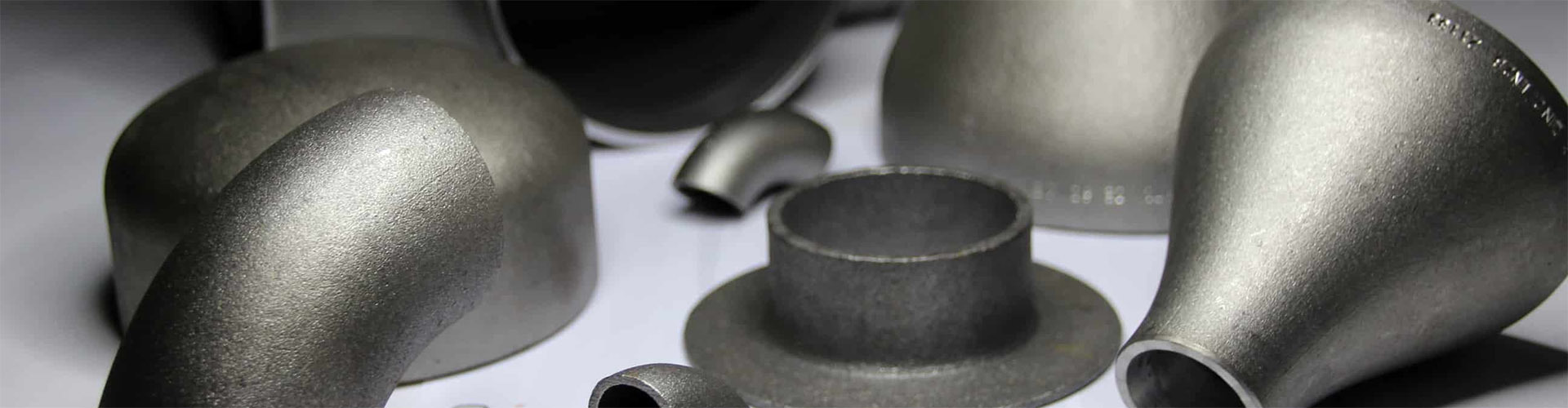
Steel pipes and fittings have been foundational in various industries, primarily serving as conduits for liquids and gases. However, architects and designers have begun to recognize the potential of these materials beyond their conventional roles. The versatility of steel pipes allows for a range of applications—from structural elements to decorative features. As we delve into this topic, we will uncover how steel pipes are reimagined in modern designs, contributing to both functionality and style.
Aesthetic Contributions of Steel Pipes
The Industrial Aesthetic
One of the most significant trends in modern architecture is the embrace of the industrial aesthetic. Steel pipes, with their raw and unfinished look, perfectly embody this style. They can be used as exposed structural elements, showcasing the building’s framework. This design choice adds character and creates a sense of authenticity. Whether in residential lofts or commercial spaces, the visibility of steel pipes enhances the overall visual appeal, creating a strong, bold architectural statement.
Unique Architectural Features
Architects are also exploring creative ways to use steel pipes as integral parts of the design. For instance, they can be arranged in intricate patterns to create stunning visual effects, such as in the design of staircases, railings, and even ceiling fixtures. The circular shape of pipes allows for smooth curves and flowing lines, giving designers the freedom to innovate. The combination of steel's strength and aesthetic versatility opens up countless possibilities for modern architectural designs.
Structural Integrity and Durability
Beyond aesthetics, steel pipes and fittings offer unmatched structural integrity. Their strength allows for the creation of larger open spaces without the need for excessive supports, which is ideal for contemporary architecture that values spacious, airy designs. Steel’s durability ensures that buildings can withstand environmental stresses, such as wind and earthquakes, making them a reliable choice for various climates and geographical locations.
Load-Bearing Applications
Steel pipes can be utilized as load-bearing columns or beams, significantly reducing the overall weight of constructions while maintaining stability. This capability is particularly beneficial in high-rise buildings and bridges, where weight distribution is crucial. The engineering precision of steel fittings also ensures that connections are robust, providing added security to the structural integrity of the building.
Sustainability in Modern Architecture
As the world shifts toward more sustainable practices, steel pipes and fittings are becoming increasingly popular for environmentally conscious designs. Steel is 100% recyclable, making it an ideal choice for sustainable architecture. By incorporating recycled steel into their projects, architects can reduce the carbon footprint of their buildings significantly.
Energy Efficiency
In addition to being recyclable, steel pipes can enhance a building's energy efficiency. Their thermal properties allow for effective insulation when properly utilized. Furthermore, integrating steel pipes into HVAC systems can improve airflow and reduce energy consumption, contributing to lower operational costs and a reduced environmental impact over time.
Creative Applications in Design
Steel pipes are not just limited to structural uses; they can inspire creativity in various forms. Here are some innovative applications that showcase the versatility of steel pipes:
Furniture Design
Architects and designers are increasingly using steel pipes to create unique furniture pieces. From chairs and tables to bookshelves, the industrial aesthetic of steel adds a modern touch to interiors. Furthermore, the strength of steel allows for thin, minimalist designs that do not compromise on durability.
Outdoor Structures
Steel pipes can also be employed in outdoor environments, such as in the construction of pergolas, canopies, and fencing. Their ability to withstand the elements makes them a preferred choice for outdoor structures. With creative design, steel pipes can blend seamlessly into gardens and patios, enhancing outdoor living spaces.
Art Installations
Artists are taking advantage of steel pipes to craft large-scale installations that challenge perceptions and invite interaction. These installations often serve as focal points in public spaces, combining artistry with architecture. The flexibility of steel pipes allows for a variety of artistic expressions, from abstract sculptures to functional pieces that encourage community engagement.
Case Studies: Steel Pipe and Fitting Innovations
To better understand the impact of steel pipes in modern architecture, let’s look at some notable case studies that exemplify innovation:
The High Line, New York City
This elevated linear park, built on a former railway track, beautifully demonstrates the use of steel pipes. The design incorporates steel railings and structural elements that maintain the park's industrial heritage while providing a modern recreational space for the public. The integration of greenery with steel structures creates a harmonious balance between nature and urban development.
Gherkin Building, London
The iconic Gherkin Building leverages steel pipes not only for structural purposes but also for its unique façade. The building's diagrid design, featuring steel pipe sections, allows for natural ventilation, reducing energy needs. This innovative approach highlights the potential for steel pipes to contribute to sustainable architectural solutions in high-rise design.
Future Trends in Steel Pipe Architecture
As we look to the future, the use of steel pipes and fittings in architecture will likely evolve further. Emerging trends point to the integration of technology with traditional materials. Smart steel solutions, such as pipes embedded with sensors to monitor structural integrity, are on the horizon. Additionally, as architects become more aware of the sustainability aspect of materials, the demand for recycled steel is expected to increase, promoting a circular economy in construction.
3D Printing with Steel
The advent of 3D printing technology is another game-changer for the use of steel in architecture. This technology allows for the customization of steel pipe components, enabling architects to create unique shapes and designs that were once inconceivable. 3D printing can also minimize waste, making it a sustainable option for modern building practices.
FAQs about Steel Pipes in Architecture
1. What are the advantages of using steel pipes in architecture?
Steel pipes offer advantages such as high durability, strength, aesthetic appeal, and sustainability. They can be used for both structural and decorative purposes.
2. How do steel pipes contribute to energy efficiency in buildings?
Steel pipes enhance energy efficiency by improving insulation and airflow in HVAC systems, leading to reduced energy consumption and lower operational costs.
3. Are there environmentally friendly alternatives to traditional steel pipes?
Recycled steel pipes are an environmentally friendly option, as they reduce the carbon footprint associated with new steel production.
4. Can steel pipes be used in outdoor applications?
Yes, steel pipes are highly durable and can be used in outdoor structures, including fencing, pergolas, and garden features.
5. What future trends are expected in the use of steel pipes in architecture?
Future trends include the integration of smart technology, advancements in 3D printing, and a greater focus on sustainability through the use of recycled materials.
Conclusion
As we’ve explored, steel pipes and fittings are redefining the landscape of modern architecture. Their versatility, aesthetic appeal, and sustainability make them invaluable in both design and function. From unique furniture pieces to robust structural elements, the innovative uses of steel pipes are limited only by the imagination. As architects continue to push boundaries and embrace these materials, we can expect to see even more creative and sustainable applications in the years to come.
Key words:
PREVIOUS:
Contact Us
E-mail:
sales@mxlpipeline.com
WeChat/Tel:
+86-13333368204
Address:
200 meters north of the intersection of Yanta Road, Yanshan , Cangzhou, Hebei Province, China 061300

Add: 200 meters north of the intersection of Yanta Road, Yanshan , Cangzhou, Hebei Province, China 061300


Contact Information
Contact: General Manager Leo
WeChat/Tel: +86-13333368204
WhatsApp: +86-13333368204
E-mail: sales@mxlpipeline.com


Request Quote
* Note: Leave your contact information to get a free product quote