
Scientific and Technological Innovation, Quality-Oriented
Understanding Flange Connection Fittings: Essential Components in Construction and Decoration
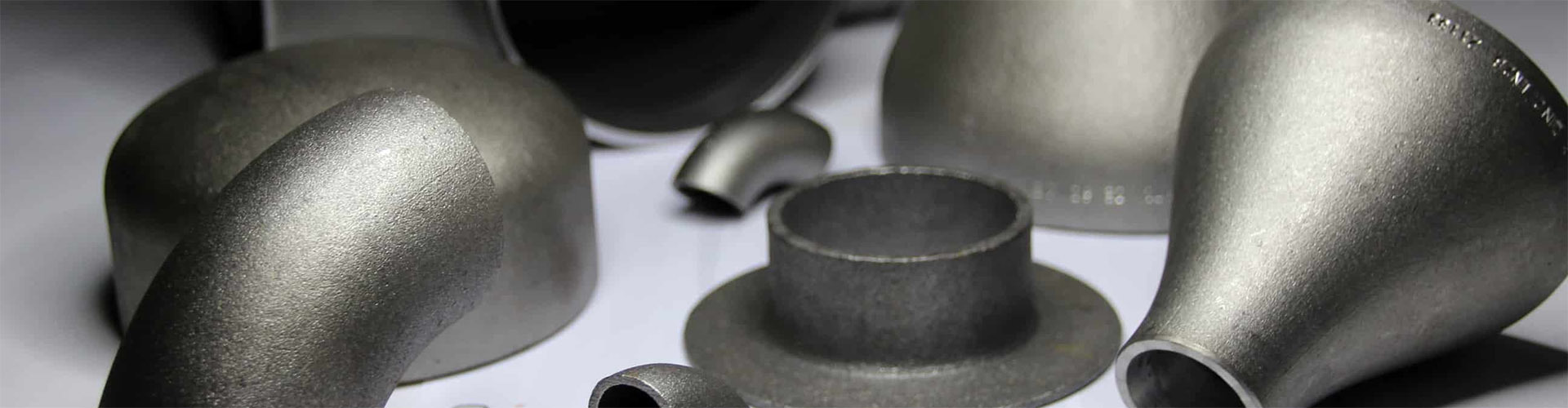
Flange connection fittings are integral components in a wide array of piping systems, used extensively in construction and decorative projects. These fittings facilitate the joining of pipes, valves, and other equipment, ensuring a secure and leak-free connection. Understanding the fundamentals of flange connection fittings can significantly enhance the efficiency and safety of your construction e
Dec 03,2025
Flanges are typically circular plates attached to the ends of pipes, allowing them to be connected to other components. They are available in various materials, such as steel, stainless steel, and plastic, depending on the specific application and environmental conditions they will face. The choice of material is crucial, as it affects durability, corrosion resistance, and overall performance.
There are several types of flange connection fittings, each designed for specific applications. The most common types include weld neck flanges, slip-on flanges, blind flanges, and threaded flanges. Weld neck flanges are typically used in high-pressure applications due to their strength and ability to withstand high temperatures. Slip-on flanges are easier to install and are often used in low-pressure systems. Blind flanges are used to seal the end of a piping system, while threaded flanges allow for easy disassembly and adjustment of the piping system.
In addition to the types of flanges, it is essential to understand the various standards and specifications that govern flange manufacturing. Common standards include ANSI, ASME, and DIN, which provide guidelines for dimensions, pressure ratings, and materials. Adhering to these standards ensures compatibility and safety in flange connections, reducing the risk of failures or leaks in the system.
When selecting flange connection fittings, consider factors such as pressure requirements, temperature conditions, and fluid types. The right choice of flange not only enhances the durability of the piping system but also contributes to the overall efficiency of the project. Proper installation techniques are equally important; ensuring that flanges are aligned correctly and tightened to the appropriate specifications can significantly reduce the likelihood of leaks and failures.
In conclusion, flange connection fittings are essential components in the construction and decoration materials industry. Understanding their types, applications, and installation practices can contribute to the success of your projects. By selecting the appropriate flange fittings and adhering to industry standards, you can help ensure that your piping systems operate efficiently and safely for years to come.
Key words:
Contact Us
E-mail:
sales@mxlpipeline.com
WeChat/Tel:
+86-13333368204
Address:
200 meters north of the intersection of Yanta Road, Yanshan , Cangzhou, Hebei Province, China 061300

Add: 200 meters north of the intersection of Yanta Road, Yanshan , Cangzhou, Hebei Province, China 061300


Contact Information
Contact: General Manager Leo
WeChat/Tel: +86-13333368204
WhatsApp: +86-13333368204
E-mail: sales@mxlpipeline.com


Request Quote
* Note: Leave your contact information to get a free product quote