
Scientific and Technological Innovation, Quality-Oriented
Understanding Flat Welded Flanges: Importance of Diameter in Construction
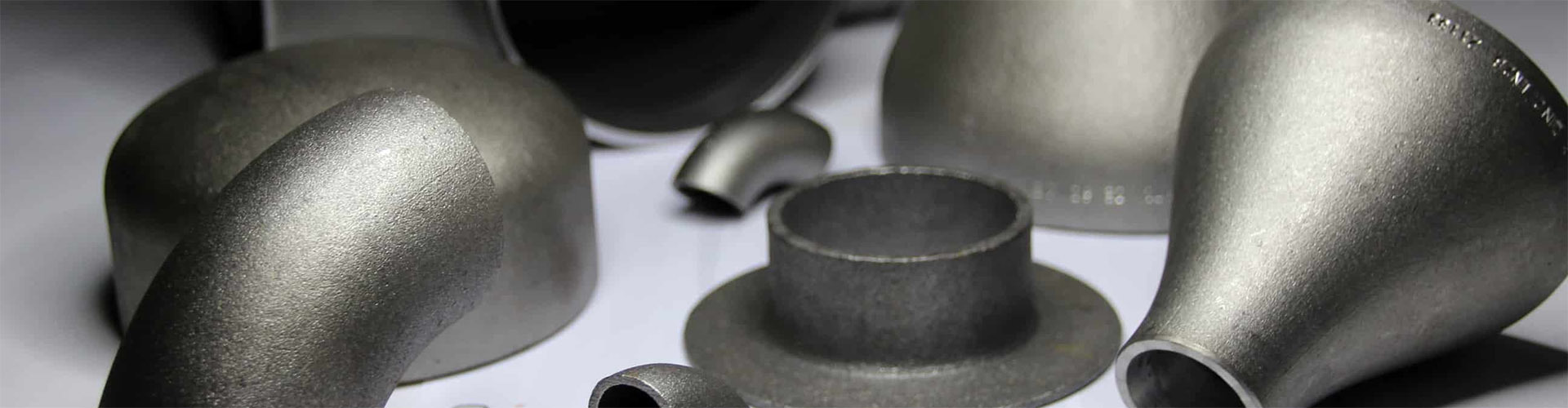
Flat welded flanges are integral components in the construction and decorative materials industry, particularly when it comes to piping systems. Their design allows for efficient joining and sealing of pipes, ensuring a secure connection that can withstand various pressures and temperatures. An essential aspect of flat welded flanges is their diameter, which plays a critical role in determining th
Dec 05,2025
The diameter of a flat welded flange must correspond to the diameter of the pipes being connected. This correlation is vital for maintaining the integrity of the pipeline system. A mismatch in diameters can lead to leaks, misalignments, or even catastrophic failures in certain circumstances. Therefore, when selecting a flat welded flange, it's essential to consider the diameter of both the flange and the pipe.
In construction, the choice of the appropriate diameter also affects the flow rates within the piping system. Larger diameters can accommodate greater volumes of fluid, making them suitable for high-capacity applications such as industrial processes or water distribution networks. Conversely, smaller diameters are often used in residential applications, where lower flow rates are sufficient. Understanding the flow requirements of your project will guide you in selecting the right diameter for your flat welded flanges.
Another important factor to consider is the material of the flange itself. Different materials can affect the performance of the flange at various diameters. For instance, stainless steel flanges are often preferred for their corrosion resistance, while carbon steel flanges may be used in environments where cost is a more significant concern. The choice of material, alongside the diameter, influences the overall durability and longevity of the piping system.
Installation practices also play a crucial role. Proper welding techniques must be employed to ensure that the flat welded flange is securely attached, regardless of its diameter. Inadequate welding can compromise the joint, leading to leaks or structural failure. Therefore, it is advisable to engage skilled professionals who understand the specifications related to the diameter and other relevant factors in flange installation.
In conclusion, the diameter of flat welded flanges is not merely a technical specification; it is a critical parameter that influences the overall performance and safety of piping systems in the construction and decorative materials industry. By understanding the relationship between flange diameter and application needs, professionals can make informed decisions that enhance the effectiveness and reliability of their projects. Remember, whether you’re dealing with large industrial systems or smaller residential setups, the right flange diameter is key to a successful piping solution.
Key words:
Contact Us
E-mail:
sales@mxlpipeline.com
WeChat/Tel:
+86-13333368204
Address:
200 meters north of the intersection of Yanta Road, Yanshan , Cangzhou, Hebei Province, China 061300

Add: 200 meters north of the intersection of Yanta Road, Yanshan , Cangzhou, Hebei Province, China 061300


Contact Information
Contact: General Manager Leo
WeChat/Tel: +86-13333368204
WhatsApp: +86-13333368204
E-mail: sales@mxlpipeline.com


Request Quote
* Note: Leave your contact information to get a free product quote