
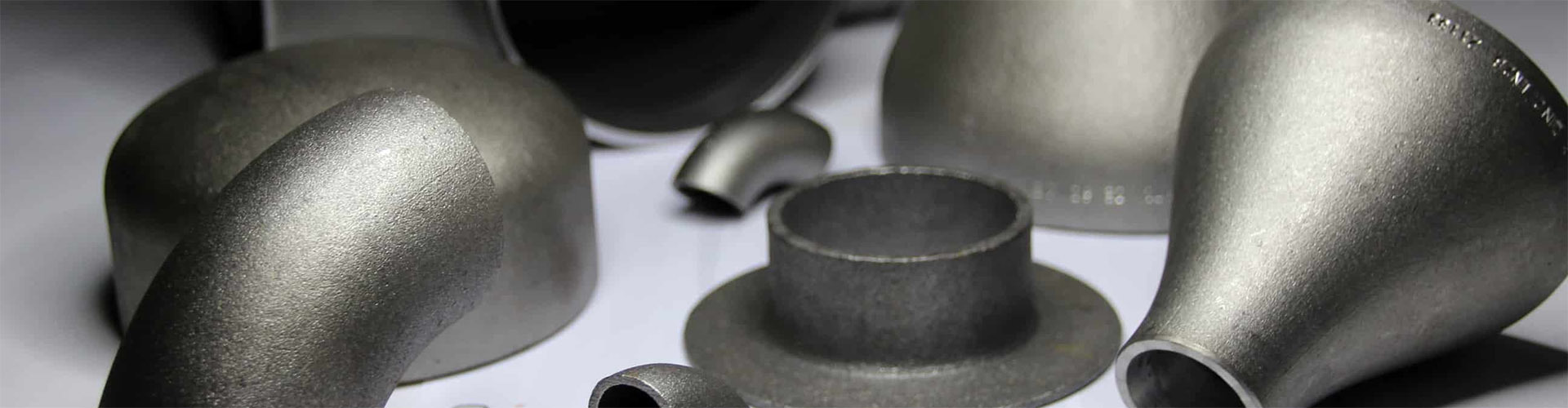
Scientific and Technological Innovation, Quality-Oriented
Seamless Steel Pipes: The Ideal Choice for Chemical Processing Facilities
Seamless Steel Pipes: The Ideal Choice for Chemical Processing Facilities In the realm of construction and industrial applications, selecting the right materials is crucial for ensuring safety, efficiency, and durability. Among these materials, **seamless steel pipes** have emerged as a superior choice, particularly in **chemical processing facilities**. This article delves into the critical aspec
Dec 06,2025
Seamless Steel Pipes: The Ideal Choice for Chemical Processing Facilities
In the realm of construction and industrial applications, selecting the right materials is crucial for ensuring safety, efficiency, and durability. Among these materials, **seamless steel pipes** have emerged as a superior choice, particularly in **chemical processing facilities**. This article delves into the critical aspects of seamless steel pipes, elucidating their advantages, manufacturing processes, and specific applications in the chemical industry.
Table of Contents
- Understanding Seamless Steel Pipes
- Advantages of Seamless Steel Pipes in Chemical Processing
- Production Methods of Seamless Steel Pipes
- Common Applications in Chemical Processing Facilities
- Material Properties and Performance
- Maintenance and Durability
- Safety Considerations
- Future Trends in Seamless Steel Pipes
- FAQs
- Conclusion
Understanding Seamless Steel Pipes
Seamless steel pipes are manufactured without any seams or welded joints, which significantly enhances their structural integrity and resistance to pressure. These pipes are produced from solid round steel billets, which are heated and then pierced to form a hollow tube. This seamless design is crucial for applications that require high strength and reliability.
Types of Seamless Steel Pipes
There are various types of seamless steel pipes categorized based on their manufacturing process and material composition. The most common types include:
- Carbon Steel Seamless Pipes: Ideal for high-pressure applications, they offer excellent durability.
- Alloy Steel Seamless Pipes: Known for their strength and hardness, making them suitable for extreme environments.
- Stainless Steel Seamless Pipes: Highly resistant to corrosion, perfect for chemical processing.
Advantages of Seamless Steel Pipes in Chemical Processing
Choosing seamless steel pipes for chemical processing facilities offers numerous advantages that make them the optimal choice. Here are some key benefits:
1. Enhanced Strength and Durability
Seamless steel pipes possess greater tensile strength compared to welded alternatives. This strength is essential for supporting high-pressure fluids and gases in chemical processes, reducing the risk of failures and leaks.
2. Corrosion Resistance
In chemical processing environments, pipes are often exposed to corrosive substances. Seamless stainless steel pipes provide exceptional resistance to rust and corrosion, extending the life of the installation and minimizing maintenance costs.
3. Improved Flow Characteristics
The absence of seams in these pipes results in smoother inner surfaces, allowing for better fluid flow. This characteristic is crucial in maintaining optimal operational efficiency in chemical processing systems.
4. Reduced Risk of Leaks
Seamless steel pipes minimize the risk of leaks due to their continuous structure. This aspect is critical in protecting valuable chemicals and ensuring safety in chemical processing facilities.
Production Methods of Seamless Steel Pipes
The manufacturing process of seamless steel pipes involves several key steps that ensure their quality and performance. Understanding these methods can help in choosing the right supplier for your needs.
1. Heating and Piercing
The production begins with heating round steel billets to a high temperature. Once heated, a piercing process is employed to create a hollow tube, which is the fundamental shape of a seamless pipe.
2. Elongation and Sizing
Following the piercing, the hollow tube is elongated and resized through a series of rolling mills. This step ensures the pipes meet specific diameter and thickness requirements.
3. Heat Treatment
To improve the mechanical properties of the pipes, heat treatment processes such as quenching and tempering are performed. These processes enhance strength and ductility, making the pipes more reliable for harsh environments.
4. Testing and Inspection
Quality control is paramount in the production of seamless steel pipes. Rigorous testing, including ultrasonic and hydrostatic tests, ensures that the pipes meet industry standards for strength and durability.
Common Applications in Chemical Processing Facilities
Seamless steel pipes are versatile and find application across various sectors within chemical processing facilities. Their robust nature makes them suitable for:
1. Transporting Chemicals
These pipes are extensively used for transporting various chemicals, including acids, bases, and solvents, due to their ability to withstand high pressures and resist corrosion.
2. Heat Exchangers
In chemical processing, seamless pipes are often utilized in heat exchangers, where efficient heat transfer is crucial. Their smooth interior surfaces facilitate better thermal conductivity.
3. Process Piping
Seamless steel pipes are frequently employed in process piping systems, where they convey reactants and products through various stages of chemical processing.
Material Properties and Performance
The material characteristics of seamless steel pipes play a fundamental role in their performance in chemical processing applications. Key properties include:
1. Mechanical Strength
Seamless steel pipes exhibit high tensile and yield strength, making them ideal for high-pressure applications. This property ensures that they can handle the stress associated with transporting heavy fluids.
2. Corrosion Resistance
The choice of alloying elements in stainless steel pipes enhances their resistance to a wide range of chemicals, making them suitable for even the most corrosive environments.
3. Temperature Resistance
Seamless steel pipes can withstand varying temperatures, making them ideal for processes that involve both heating and cooling cycles, essential in many chemical applications.
Maintenance and Durability
One of the greatest advantages of using seamless steel pipes is their low maintenance requirement. Their durability and resistance to corrosion reduce the need for frequent inspections and replacements.
1. Regular Inspections
While seamless steel pipes require less maintenance, regular inspections are recommended to ensure that no wear or damage occurs over time, particularly in critical applications.
2. Cleaning and Care
Proper cleaning protocols should be established to remove any chemical residue or deposits that can affect performance. Using non-corrosive cleaning agents will help maintain the integrity of the pipes.
Safety Considerations
Ensuring the safety of personnel and the environment is paramount in chemical processing facilities. Seamless steel pipes contribute to safety in several ways:
1. Leak Prevention
Due to their seamless design, these pipes are less prone to leaks, which is crucial for preventing accidents and protecting workers from hazardous materials.
2. Structural Integrity
The robust nature of seamless steel pipes contributes to the overall structural integrity of piping systems, minimizing the risk of catastrophic failures in high-pressure scenarios.
Future Trends in Seamless Steel Pipes
As technology advances, the seamless steel pipe industry is evolving. Key trends include:
1. Increased Use of Advanced Alloys
The introduction of high-performance alloys will enhance the capabilities of seamless pipes, allowing them to perform under more demanding conditions.
2. Innovations in Manufacturing Processes
Advancements in manufacturing technologies, such as additive manufacturing and improved heat treatment methods, will lead to even higher quality seamless steel pipes.
3. Sustainable Practices
With a growing emphasis on sustainability, the industry is moving towards more eco-friendly manufacturing processes and recycled materials, making seamless steel pipes a greener choice.
FAQs
1. What is the difference between seamless and welded steel pipes?
Seamless pipes are produced from a single piece of metal, offering greater strength and resistance to pressure, while welded pipes are formed by joining two or more pieces, which can create weak points.
2. Can seamless steel pipes be used for high-temperature applications?
Yes, seamless steel pipes are suitable for high-temperature applications due to their material properties, which allow them to withstand extreme conditions without compromising integrity.
3. How do I choose the right seamless steel pipe for my chemical processing facility?
Consider the type of chemicals you will be transporting, the pressure and temperature conditions, and consult with a supplier to select the appropriate material grade and thickness.
4. What maintenance is required for seamless steel pipes?
While seamless steel pipes require minimal maintenance, regular inspections and proper cleaning protocols are recommended to ensure long-term performance.
5. Are there any safety risks associated with seamless steel pipes?
Seamless steel pipes are generally safer due to their lack of seams, which reduces the risk of leaks. However, all piping systems should be regularly inspected to prevent potential failures.
Conclusion
In summary, seamless steel pipes are the ideal choice for chemical processing facilities due to their strength, durability, and resistance to corrosion. Their unique properties make them suitable for a myriad of applications within the chemical industry, ensuring safety and efficiency in operations. By understanding the advantages and production methods of seamless steel pipes, facility managers can make informed decisions that enhance performance and longevity. As trends evolve, seamless steel pipes will continue to play a pivotal role in the future of chemical processing, underscoring their importance in modern industrial applications.
Key words:
Contact Us
E-mail:
sales@mxlpipeline.com
WeChat/Tel:
+86-13333368204
Address:
200 meters north of the intersection of Yanta Road, Yanshan , Cangzhou, Hebei Province, China 061300

Add: 200 meters north of the intersection of Yanta Road, Yanshan , Cangzhou, Hebei Province, China 061300


Contact Information
Contact: General Manager Leo
WeChat/Tel: +86-13333368204
WhatsApp: +86-13333368204
E-mail: sales@mxlpipeline.com


Request Quote
* Note: Leave your contact information to get a free product quote