
Scientific and Technological Innovation, Quality-Oriented
Understanding High Pressure Forged Pipe Fittings: Essential Insights for Professionals
High pressure forged pipe fittings are integral components in various industries, particularly in construction and decorative materials. These fittings are designed to handle high-pressure applications, ensuring durability and reliability in demanding environments. Understanding the specifications and construction of high pressure forged pipe fittings is crucial for professionals looking to optimi
Jun 21,2026
One of the primary advantages of high pressure forged pipe fittings is their superior strength. Forged fittings are manufactured through a process that involves shaping the metal under high pressure, resulting in a dense and robust structure. This manufacturing technique significantly enhances the mechanical properties of the fittings, making them ideal for applications that involve high temperatures and pressures. Professionals can rely on these fittings to maintain the integrity of piping systems under extreme conditions.
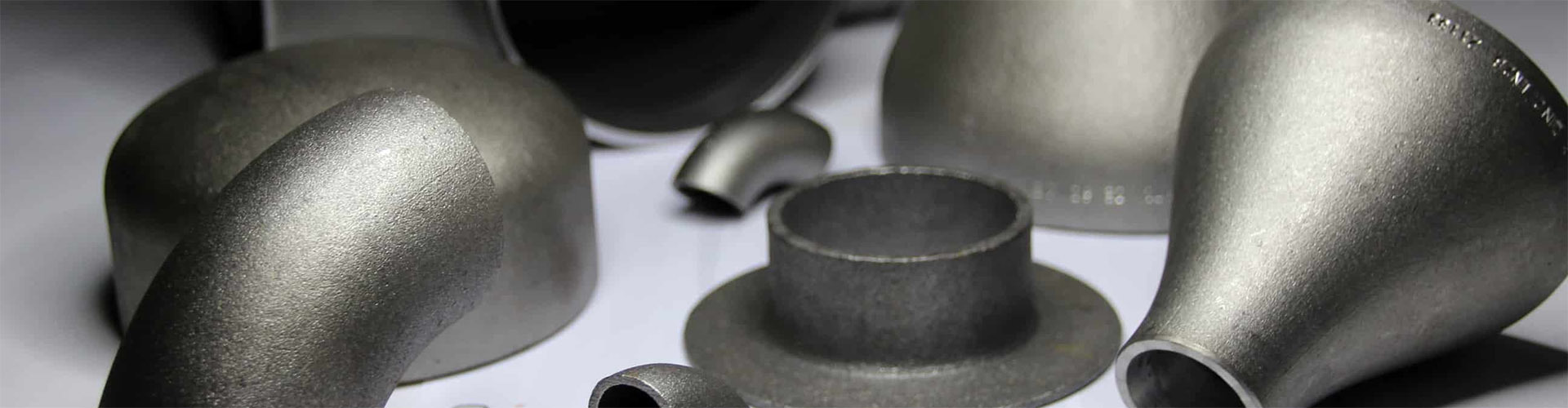
High pressure forged pipe fittings come in various types, including elbows, tees, reducers, and caps, each serving a specific purpose in pipe systems. Elbows allow for directional changes in piping, tees enable branching, reducers connect pipes of different diameters, and caps seal the ends of pipes. Selecting the appropriate fitting type is essential for ensuring optimal flow and minimizing potential leak points.
When choosing high pressure forged pipe fittings, professionals should consider several factors. Material selection is crucial; common materials include stainless steel, carbon steel, and alloy steel, each offering unique properties suited to specific applications. The corrosion resistance of the material is particularly important in environments where exposure to chemicals or moisture is likely. Additionally, professionals should also pay attention to the fitting's pressure rating, which indicates the maximum pressure the fitting can handle safely.
Proper installation and maintenance of high pressure forged pipe fittings are equally important to ensure long-term performance. It is recommended to follow industry-standard practices during installation, including the use of appropriate sealing techniques and torque specifications. Regular inspections and maintenance routines can help identify potential issues before they escalate, ensuring the reliability of the entire piping system.
In conclusion, high pressure forged pipe fittings are essential for professionals in the construction and decorative materials industry. Their strength, diverse range of types, and the importance of proper material selection and installation practices make them crucial components in high-pressure applications. By understanding these aspects, professionals can make informed decisions when integrating these fittings into their projects, ultimately ensuring enhanced safety and efficiency in their operations.
Key words:
PREVIOUS:
Contact Us
E-mail:
sales@mxlpipeline.com
WeChat/Tel:
+86-13333368204
Address:
200 meters north of the intersection of Yanta Road, Yanshan , Cangzhou, Hebei Province, China 061300

Add: 200 meters north of the intersection of Yanta Road, Yanshan , Cangzhou, Hebei Province, China 061300


Contact Information
Contact: General Manager Leo
WeChat/Tel: +86-13333368204
WhatsApp: +86-13333368204
E-mail: sales@mxlpipeline.com


Request Quote
* Note: Leave your contact information to get a free product quote