
Scientific and Technological Innovation, Quality-Oriented
Enhancing Safety Standards with Quality Steel Pipe and Fittings
Enhancing Safety Standards with Quality Steel Pipe and Fittings Introduction to Steel Pipe and Fittings in Construction In the world of construction and industrial applications, steel pipes and fittings play a crucial role. These components are not only fundamental for the transportation of fluids and gases but also serve as the backbone of numerous structural applications. As safety regulations e
Jul 18,2026
Enhancing Safety Standards with Quality Steel Pipe and Fittings
Introduction to Steel Pipe and Fittings in Construction
In the world of construction and industrial applications, steel pipes and fittings play a crucial role. These components are not only fundamental for the transportation of fluids and gases but also serve as the backbone of numerous structural applications. As safety regulations evolve, the significance of choosing quality materials cannot be overstated. This article delves into the various aspects of steel pipes and fittings, highlighting their importance in enhancing safety standards.
The Importance of Quality in Steel Pipe and Fittings
Understanding Material Standards
Quality steel pipes and fittings are manufactured to meet specific standards that ensure their durability and reliability. Materials like carbon steel, stainless steel, and alloy steels are commonly used due to their strength and corrosion resistance. Understanding these materials and their specifications, such as ASTM and ASME standards, is essential for ensuring safety in construction projects.
Impact on Structural Integrity
The structural integrity of a building or industrial facility heavily relies on the quality of the materials used. Poor-quality pipes and fittings can lead to failures, leaks, and catastrophic accidents. Using high-grade steel minimizes such risks, ensuring that the systems in place can withstand the pressures and stresses they encounter.
Safety Regulations and Compliance
Understanding Safety Standards
Safety regulations vary by region, but most guidelines emphasize the use of quality materials in construction. Organizations such as OSHA (Occupational Safety and Health Administration) and ANSI (American National Standards Institute) provide frameworks that outline the safety requirements for piping systems. Compliance with these regulations is vital for protecting workers and the public.
The Role of Certifications
Certifications such as ISO 9001 and API 5L are indicators of a manufacturer’s commitment to quality. These certifications ensure that the products meet international standards, thus enhancing safety. Choosing certified suppliers for steel pipes and fittings can help businesses mitigate risks associated with poor product quality.
Choosing the Right Steel Pipe and Fittings
Assessing Project Requirements
Before selecting steel pipes and fittings, it is crucial to assess the project requirements thoroughly. Factors such as pressure ratings, temperature tolerances, and environmental conditions will dictate the types of materials that should be used. This assessment helps in maximizing safety and efficiency.
Types of Steel Pipe Fittings
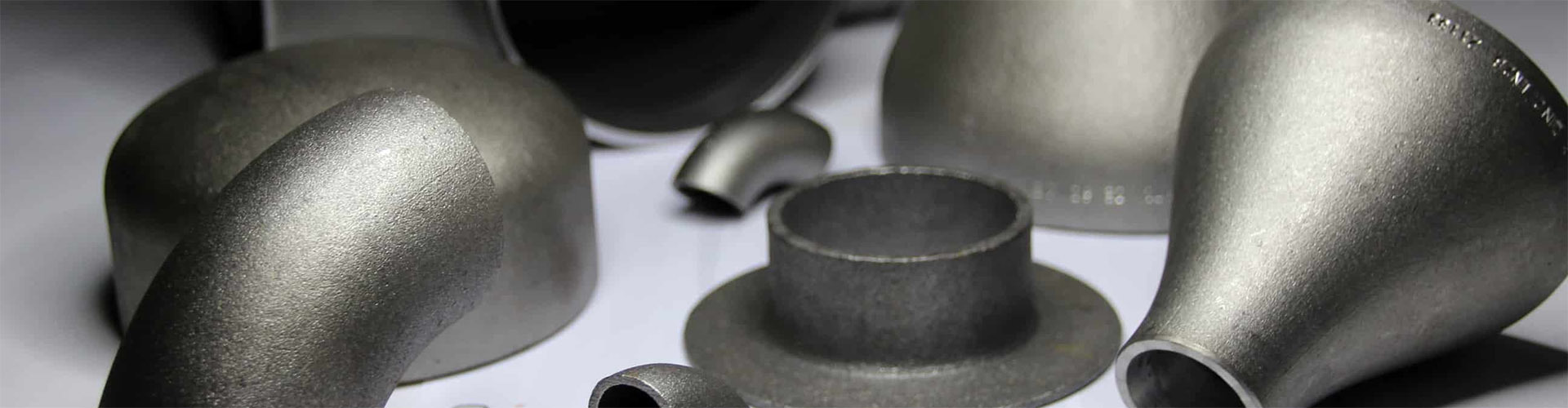
Steel pipe fittings come in various types, including elbows, tees, couplings, and flanges. Each type serves a specific purpose, and choosing the right fitting is essential for ensuring a secure and leak-free installation. For instance, using the correct elbow fitting can prevent stress on the pipe, enhancing its lifespan and safety.
Understanding Different Fitting Designs
Various designs of fittings cater to different needs. For example, socket weld fittings provide a stronger bond than threaded fittings, making them ideal for high-pressure systems. Understanding these design differences can significantly impact the overall safety of the piping system.
Installation Best Practices
Importance of Professional Installation
Even the highest quality steel pipes and fittings can fail if not installed correctly. Hiring professionals with expertise in piping systems installation is crucial. They understand the nuances of proper fitting installation, ensuring that all components are securely connected and free from defects.
Common Installation Mistakes to Avoid
Many safety issues arise from common installation mistakes, such as improper alignment, inadequate supports, and failure to account for thermal expansion. Educating the installation team about these pitfalls can improve safety outcomes significantly.
Maintenance and Inspection for Safety
Regular Inspections
Maintenance plays a pivotal role in ensuring the longevity and safety of steel pipes and fittings. Regular inspections can identify potential issues such as corrosion, wear, and leakage, allowing for timely repairs. Establishing a routine inspection schedule can prevent accidents and improve safety standards.
Best Maintenance Practices
Effective maintenance practices include cleaning, lubricating joints, and replacing worn-out components. Additionally, employing technologies such as non-destructive testing (NDT) can help assess the integrity of pipes without causing damage. These approaches ensure that the piping system remains safe and functional over time.
The Future of Steel Pipe and Fittings in Safety Standards
Innovations in Material Technology
The development of new steel alloys and coatings is enhancing the performance of pipes and fittings. Innovations such as polyethylene-lined steel pipes provide additional corrosion resistance, thereby extending the life of the materials and improving safety. Keeping abreast of these technological advancements is essential for stakeholders in the construction industry.
Integration of Smart Technologies
The integration of smart technologies into piping systems is also on the rise. Sensors that monitor pressure, temperature, and corrosion levels can provide real-time data, allowing for proactive maintenance and enhanced safety. The future of steel pipes and fittings will likely involve more sophisticated solutions that prioritize safety above all.
FAQs About Steel Pipe and Fittings and Safety Standards
1. What are the key standards for steel pipes and fittings?
Key standards include ASTM (American Society for Testing and Materials) and ANSI (American National Standards Institute) which outline the specifications for materials, manufacturing processes, and quality controls.
2. How do I choose the right type of fitting for my project?
Consider factors such as the type of fluid being transported, pressure requirements, and compatibility with existing piping systems when selecting fittings.
3. What are the common materials used for steel pipes?
Common materials include carbon steel, stainless steel, and alloy steels, each with specific properties that make them suitable for different applications.
4. How often should steel pipes and fittings be inspected?
Regular inspections should be conducted at least once a year, or more frequently depending on the environment and the criticality of the system.
5. What are the risks of using low-quality materials?
Low-quality materials can lead to leaks, system failures, and accidents that endanger worker safety and lead to costly repairs.
Conclusion
Enhancing safety standards through quality steel pipes and fittings is not merely a regulatory requirement; it is a commitment to the safety and well-being of all involved in construction and industrial applications. By understanding the importance of selecting high-quality materials, adhering to safety regulations, and implementing best practices in installation and maintenance, stakeholders can create safer environments for workers and the public alike. As technology continues to advance, staying informed and adaptable will be the keys to maintaining these standards and ensuring safety in the ever-evolving landscape of construction.
Key words:
PREVIOUS:
Contact Us
E-mail:
sales@mxlpipeline.com
WeChat/Tel:
+86-13333368204
Address:
200 meters north of the intersection of Yanta Road, Yanshan , Cangzhou, Hebei Province, China 061300

Add: 200 meters north of the intersection of Yanta Road, Yanshan , Cangzhou, Hebei Province, China 061300


Contact Information
Contact: General Manager Leo
WeChat/Tel: +86-13333368204
WhatsApp: +86-13333368204
E-mail: sales@mxlpipeline.com


Request Quote
* Note: Leave your contact information to get a free product quote