
Scientific and Technological Innovation, Quality-Oriented
Understanding Flange Connection Fittings: Essential Components for Building and Construction
Flange connection fittings are integral elements in the construction and decorative materials industry, particularly in piping systems. They serve to connect two sections of pipe or other equipment, providing a reliable, secure, and leak-proof joint. Understanding their characteristics and applications can significantly enhance the effectiveness of any plumbing or piping project. One of the primar
Jul 21,2026
One of the primary advantages of flange connection fittings is their ease of assembly and disassembly. Unlike welded joints, which require specialized equipment and skills, flanged connections can be quickly installed or removed using common tools. This feature is particularly beneficial in maintenance scenarios where access to various components is necessary for repair or replacement.
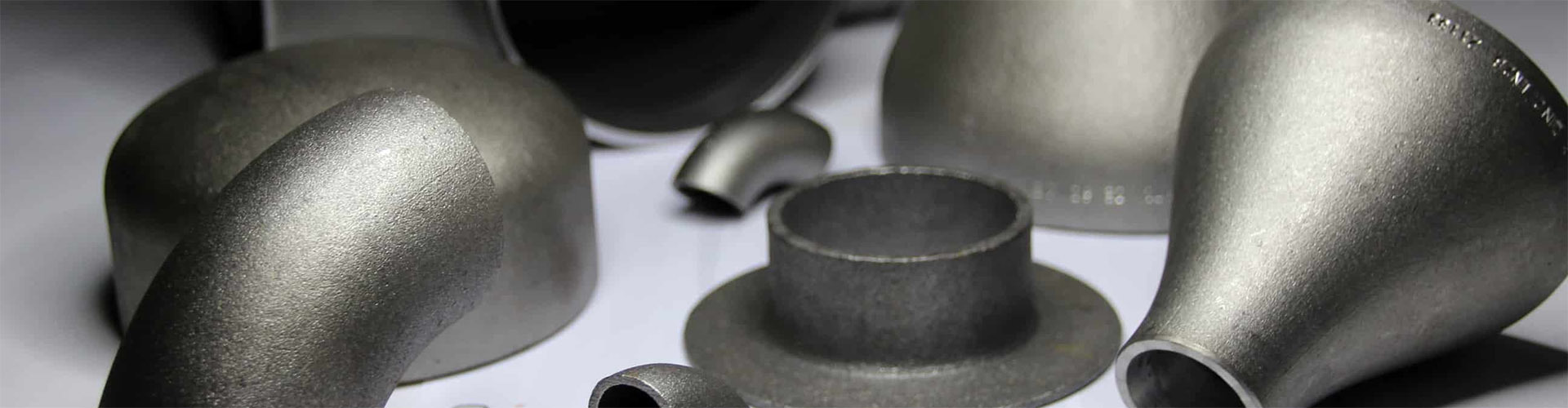
Flange connection fittings come in various types, each tailored for specific applications. The most common types include weld neck flanges, slip-on flanges, blind flanges, and threaded flanges. Weld neck flanges are ideal for high-pressure applications due to their strong connection to the pipe. Slip-on flanges, on the other hand, are easier to align and install but may not withstand the same pressure levels. Blind flanges are used to seal off a pipeline, while threaded flanges provide a convenient option for low-pressure systems.
The material composition of flange connection fittings is another crucial aspect to consider. They are typically manufactured from materials such as stainless steel, carbon steel, and plastic, allowing them to be tailored to the specific environmental conditions and chemical exposures they will face. For example, stainless steel flanges are resistant to corrosion, making them suitable for use in moist or chemical-heavy environments.
In terms of installation, achieving the correct torque during assembly is vital for the integrity of the connection. Insufficient torque can lead to leaks, while excessive torque can damage the flange or the connected pipes. Therefore, using a torque wrench and following the manufacturer's specifications is recommended for optimal performance.
Furthermore, flange connection fittings provide flexibility in system design. They can accommodate variations in alignment, thermal expansion, and vibrations, making them a preferred choice in dynamic systems where movement is a factor.
In conclusion, flange connection fittings are essential components in the construction and decorative materials sector, providing secure, durable, and flexible solutions for piping systems. By understanding the various types, materials, and installation techniques, professionals in the industry can ensure that their projects meet quality standards and perform effectively over time. Emphasizing the significance of these fittings will not only enhance the integrity of the systems but also contribute to the overall success of construction projects.
Key words:
PREVIOUS:
Contact Us
E-mail:
sales@mxlpipeline.com
WeChat/Tel:
+86-13333368204
Address:
200 meters north of the intersection of Yanta Road, Yanshan , Cangzhou, Hebei Province, China 061300

Add: 200 meters north of the intersection of Yanta Road, Yanshan , Cangzhou, Hebei Province, China 061300


Contact Information
Contact: General Manager Leo
WeChat/Tel: +86-13333368204
WhatsApp: +86-13333368204
E-mail: sales@mxlpipeline.com


Request Quote
* Note: Leave your contact information to get a free product quote