
Scientific and Technological Innovation, Quality-Oriented
Understanding High Pressure Forged Pipe Fittings: Essential Insights for the Construction Industry
High pressure forged pipe fittings play a vital role in various applications within the construction and decorative materials industry. These fittings, crafted through a forging process under high pressure, are designed to withstand extreme conditions, ensuring the integrity and longevity of piping systems. Understanding their characteristics and benefits is essential for professionals looking to
Oct 19,2026
Forged pipe fittings are typically made from strong materials like carbon steel, stainless steel, or alloys, which provide excellent strength and durability. The high-pressure forging process enhances the material's structural integrity, minimizing the likelihood of fractures or failures under pressure. This makes them ideal for applications where safety and reliability are paramount, such as in oil and gas, plumbing, and industrial processes.
One of the key advantages of high pressure forged pipe fittings is their ability to maintain tight seals even under extreme pressure conditions. This is crucial for preventing leaks, which can lead to significant costs and safety hazards. Their design allows for the efficient transfer of fluids and gases, making these fittings indispensable in various systems ranging from residential plumbing to complex industrial installations.
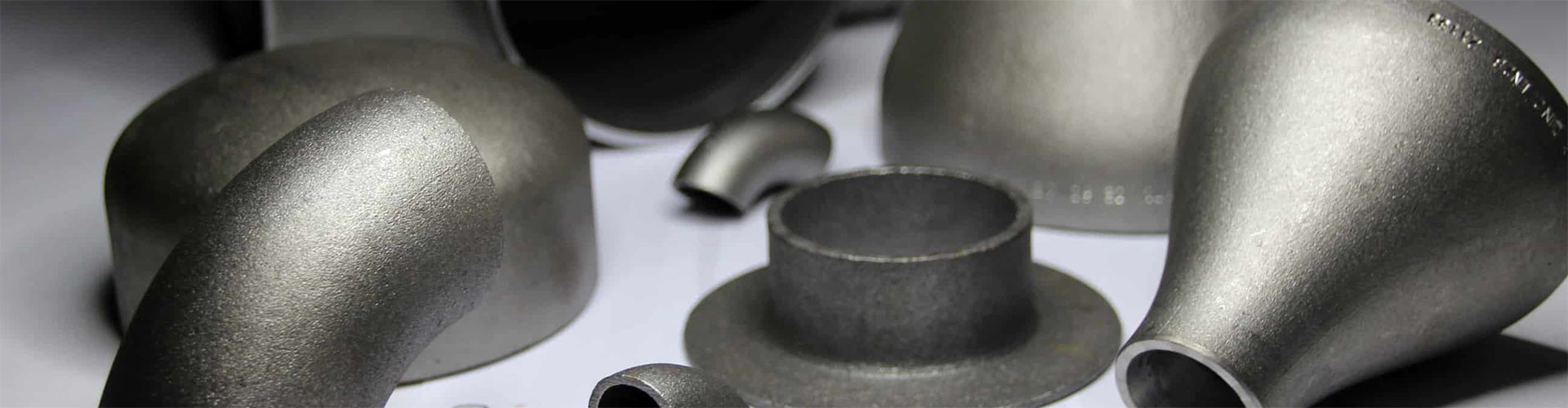
In terms of sizes and configurations, high pressure forged pipe fittings come in a wide range of options. Common types include elbow fittings, tees, reducers, and caps, allowing for versatile applications in piping systems. The ability to customize these fittings to meet specific project requirements further enhances their usefulness, providing flexibility for engineers and construction professionals.
When selecting high pressure forged pipe fittings, it's important to consider factors such as pressure ratings, temperature resistance, and compatibility with the materials being used in the piping system. Understanding these specifications ensures that the fittings will perform optimally and contribute to the overall efficiency and safety of the system.
Additionally, the manufacturing process of high pressure forged pipe fittings often involves stringent quality control measures. This ensures that the final products meet industry standards and regulations, providing peace of mind to construction professionals. Using fittings from reputable manufacturers can further enhance reliability and performance.
In conclusion, high pressure forged pipe fittings are essential components that provide strength, durability, and reliability in various applications within the construction and decorative materials industry. By understanding their benefits and proper selection criteria, professionals can make informed decisions that enhance the safety and efficiency of their piping systems. Whether for residential, commercial, or industrial projects, these fittings are a crucial investment for ensuring long-lasting performance.
Key words:
PREVIOUS:
Contact Us
E-mail:
sales@mxlpipeline.com
WeChat/Tel:
+86-13333368204
Address:
200 meters north of the intersection of Yanta Road, Yanshan , Cangzhou, Hebei Province, China 061300

Add: 200 meters north of the intersection of Yanta Road, Yanshan , Cangzhou, Hebei Province, China 061300


Contact Information
Contact: General Manager Leo
WeChat/Tel: +86-13333368204
WhatsApp: +86-13333368204
E-mail: sales@mxlpipeline.com


Request Quote
* Note: Leave your contact information to get a free product quote