
Scientific and Technological Innovation, Quality-Oriented
Pipe Caps: Essential Components for Industrial and Residential Piping Systems
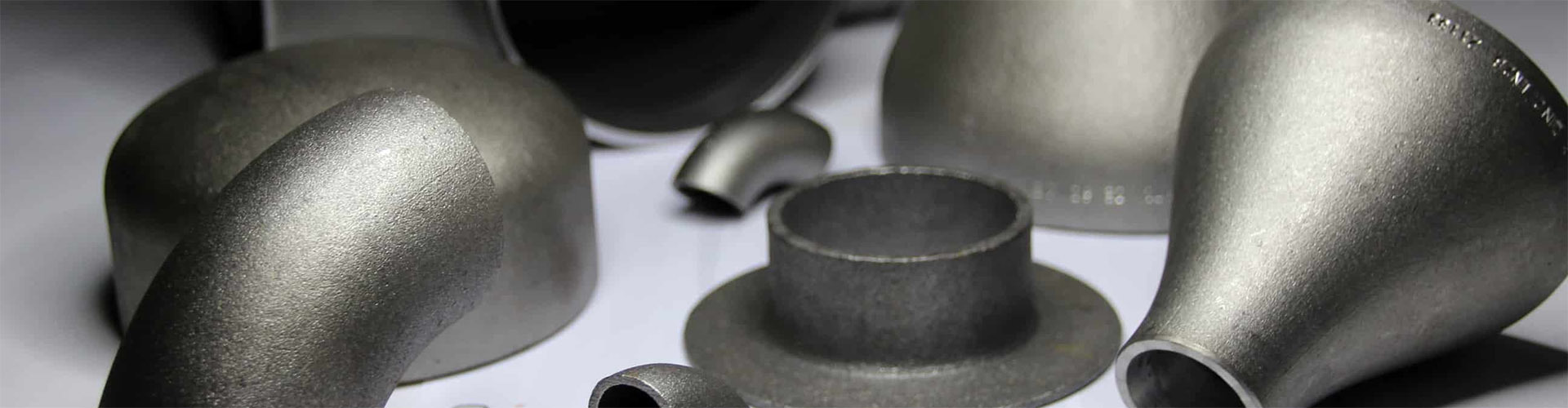
Durable pipe cap protects pipe ends from dust, debris, and damage, ensuring a secure, long-lasting seal
Dec 15,2025
In both industrial and residential piping systems, protecting the ends of pipes is a critical aspect of maintenance and safety. A pipe cap is a simple yet indispensable component that serves multiple purposes, ranging from protecting pipes during transport and storage to sealing and preventing contamination during installation. With the growing complexity of piping networks across industries, the importance of high-quality pipe caps cannot be overstated.
Pipe caps are designed to fit securely over the open end of a pipe, providing a barrier against dust, debris, moisture, and other environmental contaminants. In industrial settings, these caps play a vital role in maintaining system integrity, particularly in chemical plants, oil and gas facilities, and water treatment plants, where even minor contamination can lead to operational inefficiencies or safety hazards. By covering exposed pipe ends, pipe caps ensure that internal surfaces remain clean and ready for welding, threading, or connection to other piping components.
The materials used to manufacture pipe caps vary according to their intended applications. Common materials include stainless steel, carbon steel, PVC, and polypropylene. Stainless steel caps are widely used in high-pressure or corrosive environments due to their strength and resistance to oxidation. Carbon steel pipe caps provide a cost-effective solution for general-purpose piping systems, while plastic and PVC caps are popular in plumbing and low-pressure applications for their lightweight and non-corrosive properties. Each material is carefully selected to match the specific requirements of the piping system, ensuring durability and long-term performance.
Pipe caps also play a critical role in safety. Open pipe ends can pose hazards such as accidental injury, chemical exposure, or contamination. A properly fitted pipe cap mitigates these risks by creating a secure closure. For example, in construction sites or industrial warehouses, capped pipes reduce the chance of personnel injury and prevent the ingress of foreign materials that could compromise the integrity of the system. Moreover, these caps are often used during hydrostatic or pressure testing to ensure that the pipe system is sealed completely and that no leaks occur.
Another important aspect of pipe caps is their contribution to operational efficiency. During storage and transportation, uncapped pipes are susceptible to damage from dust, moisture, and physical impact. A robust pipe cap provides protection, reducing the need for extensive cleaning or repairs before installation. In large-scale projects, this can save significant time and costs, as contractors and engineers can rely on pre-capped pipes to maintain project timelines without compromising quality.
Modern pipe caps come in various designs to suit different needs. Standard designs include plain end caps, threaded caps, and dome-shaped caps, each serving specific functional requirements. Threaded pipe caps are ideal for systems requiring frequent disassembly or maintenance, while dome-shaped caps provide added structural strength for high-pressure applications. Additionally, some pipe caps feature tamper-evident or locking mechanisms to enhance security and ensure compliance with safety regulations.
The global demand for pipe caps has been steadily increasing due to the expansion of industrial infrastructure, urban development, and the growing need for efficient plumbing and piping systems. Manufacturers are continuously innovating, offering custom sizes, advanced materials, and coatings that extend the lifespan of the cap and the pipe system as a whole. Companies now provide solutions that meet international standards, ensuring compatibility and reliability across various industries and regions.
In conclusion, the pipe cap may seem like a small component, but its impact on pipe safety, system integrity, and operational efficiency is significant. From industrial plants to residential plumbing, pipe caps protect against contamination, prevent damage, and enhance safety. As the demand for durable, high-quality piping systems grows, investing in the right pipe caps becomes not just a choice, but a necessity. With ongoing innovation and material advancements, pipe caps continue to play a pivotal role in modern piping technology, ensuring systems are safe, reliable, and long-lasting.
Key words:
Contact Us
E-mail:
sales@mxlpipeline.com
WeChat/Tel:
+86-13333368204
Address:
200 meters north of the intersection of Yanta Road, Yanshan , Cangzhou, Hebei Province, China 061300

Add: 200 meters north of the intersection of Yanta Road, Yanshan , Cangzhou, Hebei Province, China 061300


Contact Information
Contact: General Manager Leo
WeChat/Tel: +86-13333368204
WhatsApp: +86-13333368204
E-mail: sales@mxlpipeline.com


Request Quote
* Note: Leave your contact information to get a free product quote