

Share to
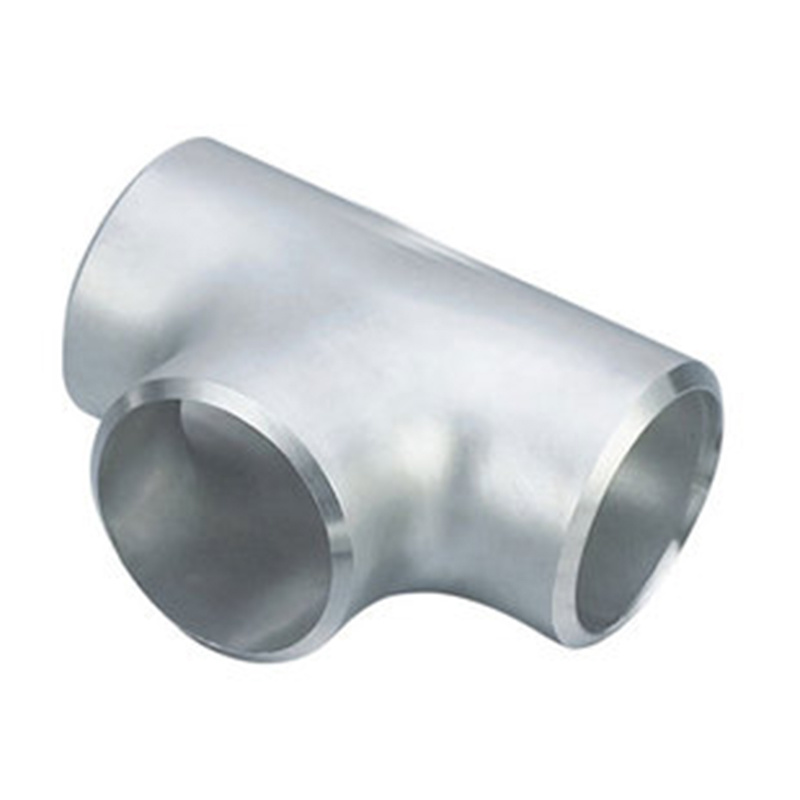
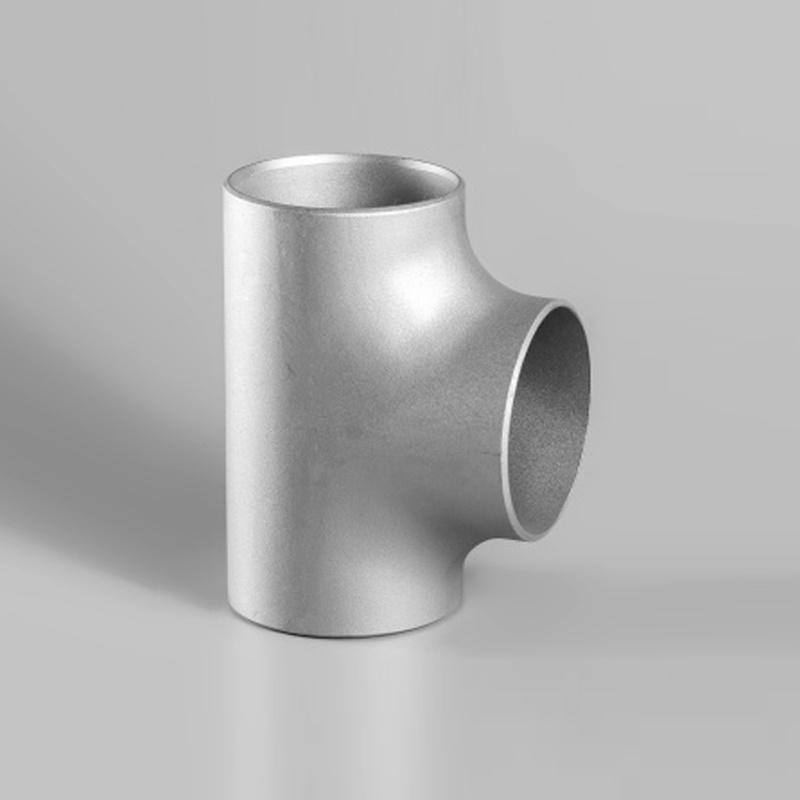
Stainless steel tee
Still deciding? Get samples first, Contact US !
View similar products
Tag list
- Description
-
Molding process
Hot pressing process, cold extrusion process, molding process, etc., through the proportion of different types of mold, mandrel, intermediate frequency coil to complete the product molding production.
Production range:DN10-DN3400
Main material
Carbon steel, alloy steel, stainless steel, low temperature steel, nickel base alloy and other materials.
Application condition
Petrochemical, natural gas, Marine platform, heat pipeline, fire, water supply and drainage, electricity, etc
Product characteristics
Advanced production equipment and testing equipment ensure that the products are in line with industry standards and international standards, and can be customized according to customer needs.
Product introduction
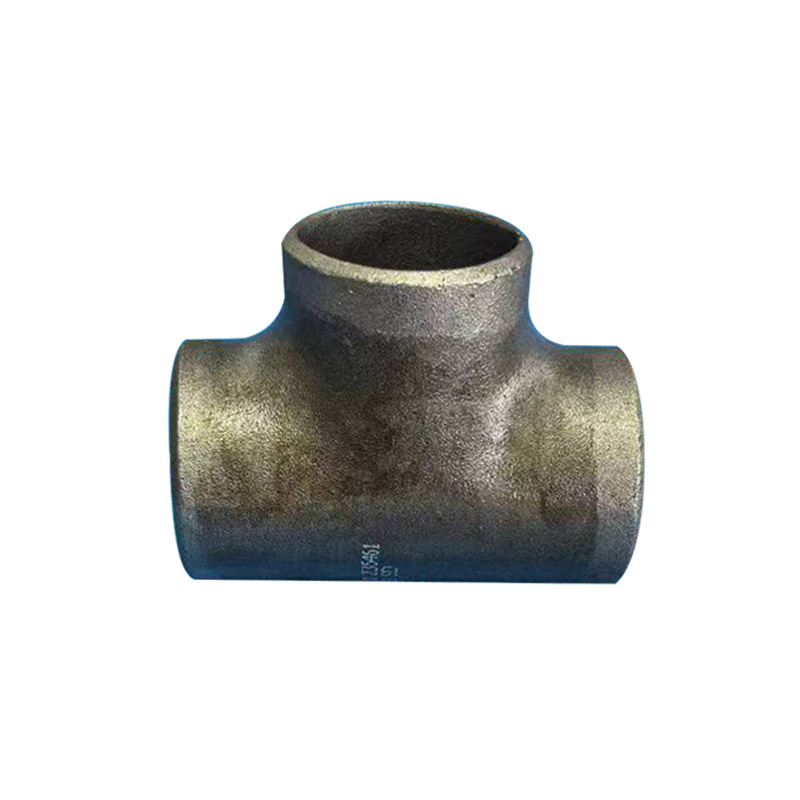
Stainless steel tee for pipe fittings, pipe connectors. Used in the main pipe to branch pipe. The stainless steel tee has equal diameter and reducing diameter, and the nozzle end of the equal diameter tee is the same size; The main pipe size of the reducing tee is the same, and the nozzle size of the branch pipe is smaller than that of the main pipe.
Stainless steel tee is a pipe fitting for pipe branches. For the use of seamless pipe manufacturing tee, the process is usually used hydraulic expansion and hot forming two kinds. Hydraulic expansion of stainless steel tee is a forming process in which branch pipe is expanded by axial compensation of metal material. The process is to use a special hydraulic press to inject liquid into the tube blank with the same diameter as the tee. Through the two horizontal side cylinders of the hydraulic press, the tube blank is extruded synchronously. The volume of the tube blank becomes smaller after being extruded, and the liquid in the tube blank increases with the volume of the tube blank. The metal material flows along the inner cavity of the die under the double action of the liquid pressure in the side cylinder and the tube blank and expands the branch pipe.
The hydraulic expansion process of stainless steel tee can be formed at one time, and the production efficiency is high. The wall thickness of the head and shoulder of the stainless steel tee has increased.
Due to the large tonnage of equipment required for the hydraulic expansion process of stainless steel tee, it is mainly used for the manufacture of stainless steel tee with standard wall thickness less than DN400 in China. Its suitable forming materials are low carbon steel, low alloy steel, stainless steel, including some non-ferrous metal materials, such as copper, aluminum, titanium and so on.
According to manufacturing standards can be divided into national standard, electrical standard, water standard, American standard, German standard, Japanese standard, Russian standard, etc. Specific as follows: GB/T12459, GB/T13401, ASME B16.9, SH3408, SH3409, HG/T21635, DL/T 695, SY/T 0510, DIN 2615.
A stainless steel tee is a type of pipe fitting that plays a critical role in fluid handling systems. It is designed to connect three sections of piping, forming a T-shape that allows the flow of liquids, gases, or other materials to be split or combined efficiently. Made from high-quality stainless steel, these fittings are known for their exceptional resistance to corrosion, durability, and ability to withstand high pressures and extreme temperatures, making them indispensable in many industrial and commercial applications.
Types of Stainless Steel Tees
Stainless steel tees come in several types, each tailored for specific functions and installation requirements:
-
Equal Tee: An equal tee has all three branches of the same diameter. It is primarily used to combine or divide the flow of fluid evenly between different pipelines.
-
Reducing Tee: A reducing tee has one branch smaller than the other two. This type is essential when there is a need to reduce the pipe size while maintaining a smooth flow.
-
Threaded Tee: This version has internal threads on the branches, allowing it to be connected to threaded pipes without welding. It is often used in systems where quick assembly and disassembly are required.
-
Welded Tee: Welded tees are joined directly to pipes through welding, providing a permanent and leak-proof connection. They are widely used in high-pressure systems.
-
Socket Weld Tee: A socket weld tee is designed for small-diameter, high-pressure pipes, offering a strong and leak-proof joint through socket welding.
Materials and Standards
Stainless steel tees are typically made from a variety of stainless steel grades, including 304, 316, and 321, depending on the environment and application requirements.
-
Grade 304: Known for its excellent corrosion resistance in most environments, making it suitable for water, steam, and mild chemicals.
-
Grade 316: Offers superior resistance to saltwater and harsh chemicals, ideal for marine, chemical, and pharmaceutical applications.
-
Grade 321: Contains titanium, providing better resistance to high temperatures, suitable for aerospace and power generation industries.
These fittings are manufactured according to international standards such as ASTM A403, ASME B16.9, and ISO 9001, ensuring high quality, reliability, and consistency.
Applications of Stainless Steel Tees
1. Chemical and Petrochemical Industry
Stainless steel tees are widely used in chemical plants and refineries where corrosive fluids and high temperatures are common. They enable the safe and efficient transport of acids, solvents, and other chemicals.2. Water Treatment Systems
In municipal and industrial water treatment plants, stainless steel tees facilitate the distribution of water and chemicals, ensuring long-term reliability and preventing contamination due to corrosion.3. Food and Beverage Industry
The food and beverage sector requires hygienic and non-reactive piping systems. Stainless steel tees help maintain sanitation standards while providing strong, leak-proof connections.4. Oil and Gas Industry
These fittings are vital in oil pipelines and natural gas distribution systems, withstanding high pressures, fluctuating temperatures, and harsh environments.5. HVAC and Plumbing Systems
In commercial and residential HVAC systems, stainless steel tees are used to distribute heating and cooling fluids, offering durability and longevity.Advantages of Stainless Steel Tees
-
Corrosion Resistance: Stainless steel’s resistance to rust and corrosion makes it ideal for water, chemical, and marine applications.
-
Durability: High tensile strength allows stainless steel tees to withstand extreme pressures and temperatures.
-
Hygienic: Non-reactive surfaces prevent contamination, suitable for food, beverage, and pharmaceutical industries.
-
Low Maintenance: Stainless steel fittings require minimal maintenance, reducing long-term operational costs.
-
Versatility: Available in various sizes, types, and grades to suit different industrial needs.
Market Trends
The global demand for stainless steel tees has been increasing due to rapid industrialization, urbanization, and infrastructure development. Sectors like oil and gas, chemical manufacturing, and water treatment are major drivers of this growth. Moreover, the shift towards sustainable and corrosion-resistant materials in piping systems has further boosted the popularity of stainless steel fittings.
Manufacturers are focusing on improving production technologies, ensuring precise dimensions, smooth surfaces, and high-quality welds. Online B2B platforms and global distribution networks have made it easier for buyers to source stainless steel tees in bulk, supporting both small-scale projects and large industrial applications.
Conclusion
A stainless steel tee is more than just a pipe fitting—it is a critical component that ensures the efficiency, safety, and reliability of modern piping systems. With its exceptional corrosion resistance, durability, and adaptability, it serves a broad range of industries from chemical processing and oil and gas to food production and water treatment. Understanding the types, standards, and applications of stainless steel tees helps engineers, contractors, and industrial buyers make informed decisions, ensuring optimal performance and long-term system integrity.
The global demand for stainless steel tee fittings is experiencing steady and long-term growth as industrial pipeline systems continue to expand across energy, chemical, water treatment, food processing, pharmaceutical, and construction sectors. As a critical pipe fitting used to connect three pipeline sections at a right angle, the stainless steel tee plays a vital role in controlling, redirecting, and distributing fluid or gas flow within complex piping networks.
A stainless steel tee is typically manufactured from high-grade materials such as 304, 304L, 316, or 316L stainless steel, offering excellent corrosion resistance, mechanical strength, and temperature tolerance. These characteristics make stainless steel tee fittings suitable for demanding environments involving high pressure, aggressive chemicals, extreme temperatures, and strict hygiene requirements. Compared with carbon steel or plastic alternatives, stainless steel tee products provide superior durability and longer service life, reducing maintenance costs and system downtime.
From an engineering perspective, stainless steel tee fittings are designed to ensure precise dimensional accuracy and reliable sealing performance. They are commonly produced in two main types: equal tee and reducing tee. An equal tee features three outlets of the same diameter, while a reducing tee allows one branch to differ in size, enabling flexible system design and efficient flow control. These configurations allow stainless steel tee fittings to adapt to a wide range of pipeline layouts and operational requirements.
Connection methods for stainless steel tee fittings vary according to application needs. Common options include butt-welded, socket-welded, threaded, flanged, and sanitary clamp connections. Welded stainless steel tee fittings are widely used in high-pressure and high-temperature systems due to their strong, leak-resistant joints. Threaded tees are often applied in low-pressure or maintenance-friendly installations, while sanitary clamp stainless steel tee fittings are essential in food, beverage, and pharmaceutical industries where cleanliness and easy disassembly are critical.
One of the most significant advantages of a stainless steel tee is its smooth inner surface. Advanced manufacturing processes such as precision forging, CNC machining, and automated welding ensure minimal surface roughness. This smooth interior reduces pressure loss, prevents turbulence, and minimizes the risk of material buildup or contamination. In hygienic industries, this feature is especially important for maintaining product purity and meeting international sanitary standards.
As industrial safety and quality regulations become increasingly strict worldwide, stainless steel tee manufacturers are placing greater emphasis on compliance and certification. Many products are manufactured in accordance with international standards such as ASTM, ASME, DIN, EN, JIS, and ISO. Certifications such as ISO 9001, PED, and material traceability reports ensure that each stainless steel tee meets required performance and safety criteria. This level of quality assurance is particularly important for critical applications in oil and gas, chemical processing, and pharmaceutical production.
The stainless steel tee market is also benefiting from infrastructure development and urbanization. Large-scale projects involving water supply, wastewater treatment, district heating, and industrial fluid transport rely heavily on stainless steel piping systems. In these systems, stainless steel tee fittings provide reliable branching solutions that support long-term operation with minimal maintenance. Their resistance to corrosion and scaling makes them especially suitable for potable water and environmentally sensitive applications.
In the energy sector, stainless steel tee fittings are widely used in oil refineries, petrochemical plants, power generation facilities, and renewable energy systems. They are capable of withstanding high temperatures and pressures while maintaining structural integrity. In chemical processing, stainless steel tee products offer strong resistance to acids, alkalis, and solvents, ensuring safe and stable flow control in complex chemical pipelines.
The food and beverage industry represents another important application area for stainless steel tee fittings. Sanitary-grade stainless steel tees are designed with polished surfaces and crevice-free structures to prevent bacterial growth. They are commonly used in dairy processing, beverage production, brewing, and food packaging lines. Their ease of cleaning and sterilization supports compliance with strict hygiene regulations and ensures consistent product quality.
Technological innovation continues to shape the stainless steel tee industry. Manufacturers are investing in advanced production equipment, improved forming techniques, and higher-performance alloys to enhance product strength and consistency. Automation and digital quality control systems further improve dimensional accuracy and reduce defects. At the same time, customization services are becoming increasingly important, allowing stainless steel tee fittings to be produced according to specific sizes, wall thicknesses, and application standards.
Sustainability is another factor influencing the growth of the stainless steel tee market. Stainless steel is a fully recyclable material, aligning with global efforts to reduce environmental impact and promote circular economies. The long service life of stainless steel tee fittings also contributes to resource efficiency by reducing replacement frequency and waste generation over time.
Looking ahead, industry analysts expect the stainless steel tee market to maintain stable growth driven by industrial modernization, infrastructure investment, and rising quality requirements. As pipeline systems become more complex and performance expectations increase, the demand for high-quality stainless steel tee fittings is likely to expand further. With their proven reliability, versatility, and long-term value, stainless steel tee products will continue to play an essential role in modern industrial pipeline systems worldwide.
Stainless Steel Tee: The Reliable Solution for Stronger and More Efficient Piping Systems
A Stainless Steel Tee is an essential pipe fitting designed to connect and distribute fluid flow efficiently. With excellent corrosion resistance and durability, it performs reliably in demanding industrial environments.
Many projects face challenges such as leakage, frequent maintenance, and pipe wear. Stainless Steel Tees help solve these issues by providing secure connections and long service life.
For example, they are widely used in chemical plants, water treatment systems, and food processing facilities to improve flow distribution and system stability.
Strong, cost-effective, and easy to install, a Stainless Steel Tee reduces maintenance costs, enhances operational efficiency, and ensures dependable pipeline performance.
-
Stainless steel tee
Still deciding? Get samples first, Contact US !
Products Category
Tag list
Inquire Now
Note: Please leave your email address, our professionals will contact you as soon as possible!

Add: 200 meters north of the intersection of Yanta Road, Yanshan , Cangzhou, Hebei Province, China 061300


Contact Information
Contact: General Manager Leo
WeChat/Tel: +86-13333368204
WhatsApp: +86-13333368204
E-mail: sales@mxlpipeline.com

Request Quote
* Note: Leave your contact information to get a free product quote